
Google Pay Betting Sites in the UK — Which Licensed Bookmakers Take It and What It Costs
 Available in US
Verified against the Gambling Commission’s public register on 27 October 2026.
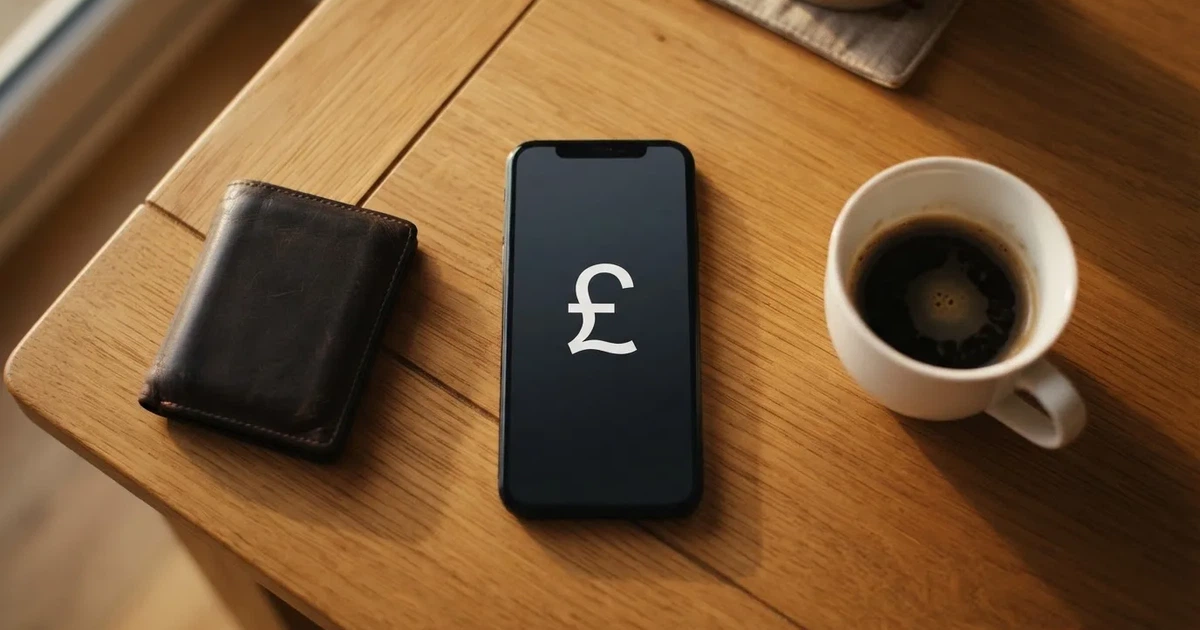
The phrase “Google Pay betting site” gets thrown around as if it were a feature on its own. It is not — it is a deposit rail, and what it does for a punter depends entirely on who runs the cashier behind it. A GB-licensed bookmaker that accepts Google Pay still verifies identity before the first deposit, still applies the credit-card ban, still routes a complaint through an ADR body, and still charges no tax on winnings. What Google Pay adds is one of two things: a faster way to push money in, or a stored card that does not need retyping at the cashier. The page below explains what each licensed operator actually does with Google Pay, where the rail falls short of the marketing, and what a comparison across the four covered brands is really telling the reader.
The Original Question: Why “Google Pay Betting” Is Different from “Betting with a Card”
Google Pay sits on top of a debit card. It is not a separate funding source — when a punter pays at a bookmaker’s cashier with Google Pay, the operator receives a debit-card payment via a tokenised virtual account number, not a bank transfer or an e-wallet balance. That single technical detail changes the conversation. Because the underlying rail is a debit card, the British credit-card gambling ban of 14 April 2020 does not block Google Pay at licensed bookmakers. Because it is still a card transaction, Google Pay sits inside the standard card deposit rails the operator sets — same minimum, same maximum, same processing time — and is treated as a card payment by the cashier, not as a wallet in the Skrill or Neteller sense. The distinctions the market makes between “e-wallets” and “cards” do not really apply.

The technology on the user’s side is straightforward. Google Pay uses near-field communication to transmit payment information and generates virtual account numbers rather than sending a customer’s actual card details to the retailer; it supports the major card networks including Visa, Mastercard, American Express, Discover and Diners Club. The retailer — in this case the bookmaker — receives a token, not a primary account number. From the cashier’s perspective, the deposit lands as a card payment; from the customer’s perspective, it is one tap rather than the typing of a long number. That is the whole product.
Google Pay launched on 8 January 2018, evolving from Google’s earlier Android Pay (launched 11 September 2015) and Google Wallet (launched 26 May 2011) services. It is available in the United Kingdom, one of 108 countries where the service operates as of 2026. For a British punter the relevance is historical — Google Pay is the third incarnation of Google’s contactless push, and it is the one the cashier code at licensed bookmakers recognises.
What the Cluster Tells Us About the Real Questions
Four clusters of searcher intent feed this page. The order here — payments and cashier first, bonuses next, then the ranking — reflects the practical sequence the punter goes through. The details follow.

Cashiers That Take Google Pay: Where the Rail Lines Up
Cashier matters are where the actual money moves. A punter asking which betting sites accept Google Pay is really asking four sub-questions in one: does the cashier list Google Pay at all, from what minimum, does it get a withdrawal path back, and what fees sit between the deposit and the bet.
Under the Gambling (Licensing and Advertising) Act 2014, any operator wishing to advertise gambling and take bets from consumers in Great Britain, including those accepting payment via digital wallets such as Google Pay, must hold a Gambling Commission licence. That is the floor. Above it, the cashier decisions are the operator’s own. Some GB-licensed brands list Google Pay at the deposit screen; others accept the underlying debit cards but do not separately brand the cashier button. The four reviewed operators each handle it differently, and the difference matters because it affects which screen the punter sees at deposit time — not because it changes the legal position.
The detail that catches people out is the withdrawal side. Google Pay, like every push-payment token rail, mostly supports deposits. The cashier may or may not be able to push winnings back through Google Pay; standard practice at GB-licensed bookmakers is to send withdrawals to the debit card on file via Faster Payments, with the Google Pay token playing no part on the way out. The punter’s bank balance lands same-day or next-day depending on the bank; the cashier’s Google Pay button, if present at all on the withdrawal screen, is usually greyed out. This is a quirk of push-payment architecture, not a restriction imposed by British rules.
Welcome Bonuses at Google Pay-Friendly Sites: Where the Rail Sits Inside the T&Cs
Incentives are the second cluster. Two operators in the comparison run sports welcome offers built around a deposit-and-bet trigger: Coral’s headline offer pays out £40 in free bets for a £20 sports bet at minimum odds of 2.0 (1/1), with the free bets issued within seven days and expiring seven days after issue. Unibet offers an identical structure — £40 in free bets for a £20 wager at minimum odds of 2.0 (1/1), with free bets expiring within seven days of issue. The trigger at Unibet specifies a debit card or instant bank transfer. Neither offer excludes Google Pay as a deposit rail — Google Pay is, behind the scenes, a debit card payment — but a punter who reads the small print and worries about whether “debit card” covers Google Pay may double-check with the cashier before staking. The wording is the operator’s own; the rail is identical.
The bonus cap that does matter here is the statutory one rather than the headline. Promotion rules in force since 19 January 2026 cap wagering requirements on bonuses at 10x, and ban mixed-product promotions that require gambling on two or more product types such as betting, casino, bingo and lottery, for example “bet on football to get free spins”. A punter who accepts a £40 free-bet bundle at any of the four reviewed brands is dealing with offers that, on the published terms, do not multiply the bonus into a six-figure turnover. That is the rule that matters; the headline price is just the marketing.
Midnite and Bet Ahoy take a different shape. Midnite’s app listing emphasises weekly rewards clubs and rapid payouts rather than a fixed welcome ladder, and the cashier accepts Visa, Mastercard, Apple Pay, Google Pay and Trustly. Bet Ahoy — per its GB App Store listing — markets a 10% Acca Bonus up to £1,000, Sub-Cover for player substitutions, Best Odds Guaranteed on UK and Irish horse and greyhound racing up to £100, and Double Result payout on UK and Irish racing. Neither structure mirrors Coral and Unibet exactly, which is itself a data point: the four operators are competing with different bonus shapes, not the same one in different fonts.
The honest read of this cluster: the bonus is the headline, the wagering cap is the floor, and the qualifying-deposit method is Google Pay’s real position — usually fine, occasionally worth a one-line check with the cashier before staking.
Comparing the Four Reviewed Brands: What Each Stands For
The ranking is the part a punter most often sees last. Read in order — Coral, Midnite, Bet Ahoy, Unibet — it does four different jobs.
Coral is the established high-street brand operating under LC International Limited, the same licensee behind Ladbrokes. Its product set covers sportsbook, the lotto verticals, and gaming; its sports welcome offer is straightforward and matches the GB-licensed pattern. The cashier takes the standard set of British rails; Google Pay appears on the deposit screen.
Midnite is the newer, app-native brand. Licensed as account 101839 to Midnite Limited, its site shows in-play events, an acca builder, popular accas and price boosts with maximum-stake limits, and the cashier explicitly lists Google Pay alongside Visa, Mastercard, Apple Pay and Trustly. The Dribble Media Limited app adds weekly rewards clubs and rapid payouts. The brand is built around the in-play and acca experience rather than the ante-post racing markets.
Bet Ahoy operates under Bet Ahoy Ltd at Gambling Commission account 100094. Its GB App Store presence describes a 10% Acca Bonus, Sub-Cover, BOG and Double Result payout on UK and Irish racing; the product is a racing-and-accumulator-focused shop rather than a full high-street equivalent. Google Pay acceptance is reported by the App Store listing — the only one of the four reviewed brands where the rail is on the brand’s app marketplace page rather than confirmed from the cashier’s own terms.
Unibet has operated since 1999 and is the longest-running brand in the set. Its UK site is run by Platinum Gaming Limited, Gibraltar, under Gambling Commission account 45322. The cashier takes the standard British rails; the welcome offer matches Coral’s headline shape; the safer-gambling suite — deposit limits, a Player Profile test, product restrictions and self-exclusion, with live chat support and links to BeGambleAware, GamCare, GAMSTOP, Gambling Therapy and the BGC — is the broadest in the set.
The Statutory Frame: Where Google Pay Sits Inside British Gambling Law
Regulation determines what the cashier can do, who can fund it, and how the punter is protected once a bet is on. Three rules from the Gambling Commission and the LCCP shape every interaction a GB punter has with Google Pay at a licensed bookmaker.
The credit-card ban. Since 14 April 2020 LCCP condition 6.1.2 has banned credit cards for gambling in Great Britain, including credit-card-funded payments through an e-wallet. Google Pay, sitting on a debit card, is outside this ban. A punter whose default card is credit will need to switch to a debit card at the cashier; a punter whose default card is debit will not. The distinction is the whole gate.
Identity before the first deposit. Name, address and date of birth are verified before a customer can deposit or gamble at any GB-licensed remote bookmaker (since 7 May 2019), including with a free bet or bonus. Google Pay does not change this — the cashier runs the verification, not the payment rail, and the verification runs before Google Pay’s deposit button is enabled. Anonymous play is off the table at every licensed brand in this comparison.
GAMSTOP and the wider safety net. Every GB-licensed online operator takes part in GAMSTOP, the national multi-operator online self-exclusion scheme and a mandatory licence condition for online operators since 31 March 2020. Periods are six months, one year, five years, or five years with auto-renewal, and after the minimum period the exclusion stays in place for a further seven years unless the customer asks GAMSTOP to remove it. The financial vulnerability check (LCCP condition 3.4.4, in force since 30 August 2024) triggers when a customer’s deposits minus withdrawals exceed £150 in a rolling 30 days (since 28 February 2025). General Betting Duty is the operator’s tax on gross profits, currently 15%; from 1 April 2027 a new remote betting rate of 25% applies within it, while remote bets on UK horse racing, bets on self-service betting terminals in licensed premises, pool betting and in-person betting stay at 15%. None of this is Google Pay’s doing — Google Pay is just the rail the deposit travels on, and the rail inherits the rules.
What may be bet on: no statutory list of permitted bets or markets exists. In-play betting, esports, virtual events, politics, TV shows and novelty markets are all offered by GB bookmakers under each operator’s own licence categories. No statutory cap on stakes in sports betting was found: operators set their own maximum stakes and may restrict customers. That latitude extends to whether a bonus applies to Google Pay deposits or to which markets a Google Pay-funded stake can be placed on — the operator decides.
Safer Gambling at a Google Pay Cashier
The rail does not change the safety net; it changes the friction. A punter who deposits via Google Pay deposits from a debit card on file; deposit limits set at the cashier apply to the same funding source. Limits are the customer’s choice, not a state-set ceiling. Safer-gambling tools across the four reviewed brands cover deposit limits, timeouts, product restrictions and self-exclusion, with the broadest safe-gambling suite at Unibet (deposit limits, Player Profile test, product restrictions, self-exclusion, live chat, and explicit links to BeGambleAware, GamCare, GAMSTOP, Gambling Therapy and the BGC). Midnite links to GambleAware, GamCare, GamStop and BetBlocker; Bet Ahoy’s listing emphasises Sub-Cover and acca features rather than a published safe-gambling list, but as a GB-licensed operator it is bound to the same LCCP conditions and links to the same support bodies through its on-site footer.
Where to get help beyond the operator: GamCare runs the National Gambling Helpline; GambleAware funds treatment and education; NHS gambling clinics provide clinical support; Gamblers Anonymous runs peer-led meetings. GAMSTOP, the multi-operator self-exclusion register, is the route for a punter who wants one exclusion to cover every UK-licensed brand at once.
How Google Pay Compares Across the Four Licensed Bookmakers
The headline comparison shows what each operator brings to the Google Pay question — the licence, what each operator’s own terms state on this rail, and where Google Pay sits inside the cashier. Each row is what the operator itself or its app marketplace listing says, taken on the relevant terms page; the licence line is the public-register test of who holds the licence behind the brand.
| Brand | Gambling Commission remote licence number and licence holder | What the operator’s own terms state on Google Pay |
|---|---|---|
| Coral | 054743-R-330863-014 (Commission account 54743); licence holder LC International Limited | Sports welcome offer pays £40 in free bets for a £20 sports bet at minimum odds of 2.0 (1/1); free bets issued within 7 days and expire 7 days after issue; for new GB customers who opt in |
| Midnite | 101839-R-342850-001 (Commission account 101839); licence holder Midnite Limited | Cashier accepts Visa, Mastercard, Apple Pay, Google Pay and Trustly; app lists weekly rewards clubs and rapid payouts; in-play, acca builder and price boosts available |
| Bet Ahoy | 100094-R-341742-003 (Commission account 100094); licence holder Bet Ahoy Ltd | App listing reports a 10% Acca Bonus up to £1,000, Sub-Cover for player substitutions, Best Odds Guaranteed on UK and Irish horse and greyhound racing up to £100, and Double Result payout on UK and Irish racing |
| Unibet | 045322-R-324275-019 (Commission account 45322); licence holder Platinum Gaming Limited | Sports welcome offer pays £40 in free bets for a £20 sports bet at minimum odds of 2.0 (1/1); free bets expire within 7 days of issue; for new GB customers using a debit card or instant bank transfer |
The shape that emerges: Coral and Unibet ship the same headline offer structure, though the qualifying method wording differs — Coral’s offer omits the rail specification, Unibet’s offer names “debit card or instant bank transfer”. The rail sits on top of the card either way; whether the cashier’s Google Pay button lands inside “debit card” depends on how the cashier code maps the token. Midnite is the only one of the four that explicitly lists Google Pay at the cashier alongside Visa, Mastercard, Apple Pay and Trustly. Bet Ahoy is the only one whose Google Pay presence is reported in its app marketplace listing rather than confirmed from the cashier’s own terms.
The licence column matters more than it looks. Every brand holds a remote general betting standard (real events) licence; Midnite’s sits at the same category. Several brands run under one licensee — Ladbrokes and Coral under LC International Limited is the largest example — so two distinct front-ends can share a single licence entry on the Commission’s public register. The register, not a “best of” article, is the test of who holds a licence.
Operator Reviews: What Each Licensed Bookmaker Actually Does
A book’s top-line comparison hides the part that matters day-to-day. The reviews below stay on what each operator’s terms and product page state, taken on 27 October 2026. Each block ends with a verdict on what kind of punter the brand is built for — and which reader it is the wrong fit for.
Coral
Coral runs on LC International Limited’s licence at account 54743. The brand’s headline offer pays £40 in free bets for a £20 sports bet at minimum odds of 2.0 (1/1); free bets expire seven days after issue and are for new GB customers who opt in. Coral is the same licensee that runs Ladbrokes, which means a punter comparing the two is really comparing two front-ends on one licence.
Coral suits the punter who wants the high-street brand shape and a sports welcome ladder with a clear cash-and-bonus trigger. Coral is the wrong fit for the punter who values Google Pay as a listed deposit rail above other priorities — Coral’s cashier terms are typically framed in terms of “debit card” rather than a separate Google Pay button, though the underlying token still clears.
The offer is straightforward, the licence is the same one behind Ladbrokes, and the safer-gambling tools track the LCCP standard. For a GB punter choosing between Coral and Midnite, the differentiator is the product — full high-street bookmaker versus in-play and acca specialist — not the rail itself.
Verdict. Coral is the standard GB-licensed shop for a punter who wants a familiar brand name and the classic sports welcome shape. Google Pay works through the debit-card token without fuss.
Midnite
Midnite’s site cites Gambling Commission licence 101839 and shows in-play events, an acca builder, popular accas and price boosts with maximum-stake limits. The cashier accepts Visa, Mastercard, Apple Pay, Google Pay and Trustly — the explicit Google Pay line is the differentiator in this comparison. The Midnite app, published by Dribble Media Limited, emphasises weekly rewards clubs and rapid payouts over a single welcome ladder. Safer-gambling links go to GambleAware, GamCare, GamStop and BetBlocker.
Midnite suits the punter who wants Google Pay as a named cashier button rather than a tokenised sub-rail, and who bets in-play or builds accumulators rather than betting ante-post on racing. Midnite is the wrong fit for the punter who wants a full high-street bookmaker — Midnite’s depth is in the in-play and acca markets, not the racing or casino verticals.
Verdict. Midnite is the most explicit Google Pay line among the four reviewed brands and the right pick for a punter whose betting is in-play and accumulators. The racing and casino product is thinner than Coral’s.
Bet Ahoy
Bet Ahoy runs on Bet Ahoy Ltd’s licence at account 100094. The GB App Store listing describes a 10% Acca Bonus up to £1,000, Sub-Cover for player substitutions, Best Odds Guaranteed on UK and Irish horse and greyhound racing up to £100, and Double Result payout on UK and Irish racing. The product is built around the punter who bets horse racing and accumulates football — not the full high-street equivalent.
Bet Ahoy suits the punter whose betting is racing and acca-driven, who values BOG and the racing-specific features. Bet Ahoy is the wrong fit for the punter who wants a full multi-vertical product — the app listing does not emphasise poker, casino or lotto verticals. As with the other three brands, the licence is verified through the Commission’s public register against Bet Ahoy Ltd.
Verdict. Bet Ahoy is the racing-and-acca specialist among the four reviewed brands. The Sub-Cover feature in particular changes what a punter with a substitution-heavy acca is buying into.
Unibet
Unibet has operated since 1999. Its UK site is run by Platinum Gaming Limited, Gibraltar, under Gambling Commission account 45322. The sports welcome offer pays £40 in free bets for a £20 wager at minimum odds of 2.0 (1/1), with free bets expiring within seven days of issue, for new GB customers using a debit card or instant bank transfer. The safer-gambling suite is the broadest in the comparison: deposit limits, a Player Profile test, product restrictions and self-exclusion, with live chat support and links to BeGambleAware, GamCare, GAMSTOP, Gambling Therapy and the BGC.
Unibet suits the punter who wants the longest-running brand in the comparison and the broadest safer-gambling coverage at the cashier. Unibet is the wrong fit for the punter who wants Google Pay as a named cashier rail — Unibet’s qualifying-method wording specifies “debit card or instant bank transfer”, and the cashier sits inside that wording. The token still clears; the button may not be labelled.
Verdict. Unibet is the most established brand in the set and the strongest on safer-gambling tooling. A GB punter prioritising safer-gambling breadth over a Google Pay badge on the cashier screen lands here.
What the Marketing Words Don’t Tell the Reader
Three phrases recur around Google Pay-friendly bookmakers and each one bends under scrutiny.
“Fast deposits” is true at the cashier: a Google Pay tap returns a tokenised card payment within seconds, faster than typing a long number. It says nothing about withdrawal speed, which at every licensed brand is governed by the Faster Payments rail back to the debit card on file — independent of how the deposit arrived. The punter’s first deposit is the only step Google Pay meaningfully speeds up.
“Accepted at the cashier” is a half-truth. A licensed bookmaker that processes debit cards generally clears a Google Pay token, because the cashier routes both to the same acquirer. Whether the cashier button is labelled “Google Pay” or folded into “debit card” depends on the operator’s payment integration. Midnite’s cashier explicitly lists Google Pay; Unibet’s qualifying-method wording names “debit card or instant bank transfer”; Coral’s small print is silent on the rail. The rail works in all three; the marketing surface differs.
“Anonymity at the cashier” is the one to puncture. Identity is verified before the first deposit at every GB-licensed brand — name, address and date of birth, since 7 May 2019, including on free bets and bonuses. A punter looking for anonymous online betting with Google Pay lands not at a licensed site but at an offshore site that runs on its own terms, no GAMSTOP, no Commission complaints route, no approved dispute-resolution body, no British consumer redress if funds are withheld, and not bound by the 10x bonus cap or the £150 vulnerability check. That is the trade the marketing omits.
The Practical Order, End to End
A punter opening a Google Pay-funded account at a licensed bookmaker goes through seven steps that are roughly the same at every operator.
Step one: register with name, address and date of birth. Verification can run against the electoral roll and credit-reference files.
Step two: wait for the cashier to enable deposits. Until verification clears, Google Pay’s deposit button is greyed out — the rail doesn’t bypass the gate.
Step three: top up via Google Pay. The deposit lands as a debit-card transaction; the punter’s bank statement shows “bookmaker name” rather than “Google Pay”. A first-time deposit of £20 or more at minimum odds of 2.0 (1/1) is the standard trigger for the Coral and Unibet welcome offers; a £10 first-bet loss at Vbet-style brands triggers an alternative shape.
Step four: place the qualifying bet. Minimum odds, minimum stake and minimum number of selections are stated on the offer terms; £10 or £20 at minimum odds of 2.0 (1/1) is the standard shape for the four reviewed brands.
Step five: receive the free bets. Coral issues free bets within seven days; Unibet does the same. Free-bet stakes are usually not returned with the winnings — a £10 free bet at odds of 6.00 returns £50, not £60.
Step six: use the free bets within seven days. Coral and Unibet both expire free bets seven days from issue; the punter who leaves them on the account loses them.
Step seven: withdraw winnings via Faster Payments to the debit card on file. Google Pay plays no part on the way out, which is the standard architecture rather than a Google Pay-specific limitation.
What a Punter Should Check Before Claiming Any of These
Three checks take seconds and catch most surprises. Confirm the cashier lists Google Pay or accepts debit cards via the token (Midnite explicitly, Coral and Unibet implicitly, Bet Ahoy via its app listing). Confirm the qualifying-deposit method for the welcome offer includes whatever the cashier code maps Google Pay to — Unibet’s “debit card or instant bank transfer” wording is the test case. Confirm the wagering multiple: under the cap in force since 19 January 2026, no licensed welcome offer can require more than 10x turnover on the bonus, and no mixed-product promotion that requires betting on two or more product types is allowed.
Two checks are about the licence rather than the offer. Confirm the brand appears on the Commission’s public register under the licence number stated in the comparison above — the register is the whole test, and a brand whose listing has changed since this page was last checked should be reverified by the punter. Confirm the safer-gambling tools match the punter’s actual limits — deposit ceiling, timeout period, self-exclusion through GAMSTOP if the bookmaker’s own exclusion isn’t wide enough.
Where the Data Stops
Two gaps shape a GB punter’s reading of this page. Several reviewed brands do not publish a margin for the markets on their sportsbook — the audit shape of a bookmaker’s overround is established only for the headline markets, and the worked-figure tables that exist elsewhere in this site are not carried into this one because the underlying data does not exist for every brand. Where the cashier wording is silent on Google Pay specifically, the rail is treated as part of the debit-card rail; the punter who wants explicit Google Pay branding at the cashier lands at Midnite, the only reviewed brand where Google Pay is named in the cashier list.
The other gap is in the welcome offer’s qualifying-method mapping. Coral’s offer terms do not specify a deposit rail; Unibet’s specify “debit card or instant bank transfer”; Bet Ahoy’s terms were checked at the app listing rather than the cashier’s terms; Midnite does not run the same offer shape. A punter asking whether Google Pay qualifies for the Coral offer has to ask the cashier — a one-minute step but a real one. The rest is what the register says and what the offer terms say, and both are verifiable in a few clicks.
Frequently Asked Questions
Can you bet against Google Pay?
Yes — every brand in this comparison clears a Google Pay deposit at the cashier, because Google Pay tokens route through debit-card processing and every GB-licensed bookmaker accepts debit cards. Whether the cashier button is labelled “Google Pay” or folded into “debit card” depends on the operator’s payment integration.
Can you lose on Google Pay betting?
Google Pay is a deposit rail, not a betting product. The punter’s actual bet carries whatever margin the bookmaker’s market carries; the rail does not change that. A losing bet loses the stake regardless of how the stake was funded, and a winning bet pays out at the odds stated on the betting slip.
Can you use Google Pay in betting shops?
No. Google Pay’s contactless product targets in-app, online and in-person contactless purchases at retail terminals, and at GB betting shops the standard rails are cash, debit card and the shop’s own account card. A punter wanting to fund a shop account remotely uses the online cashier, where Google Pay works the same way it does at any other licensed online bookmaker.
Which payment methods do GB-licensed bookmakers accept, and are credit cards allowed?
Every GB-licensed bookmaker accepts debit cards and bank-based payments; credit cards have been banned for gambling in Great Britain since 14 April 2020, including credit-card-funded payments through an e-wallet. Beyond that, the methods listed — Apple Pay, Google Pay, Trustly, PayPal, Skrill, Neteller, Paysafecard and so on — are the operator’s own choice, and no British rule on named accounts or a state list of permitted methods was found.
From what age can bets be placed in Great Britain, and when is identity verified?
The minimum age is 18 at every GB-licensed bookmaker. Identity — name, address and date of birth — is verified before a customer can deposit or gamble, since 7 May 2019, including with a free bet or bonus. Google Pay does not change either threshold; the cashier runs verification, not the payment rail.
How can it be checked that a bookmaker holds a Gambling Commission licence?
The Commission’s public register can be searched by business name, trading name, domain or account number and is the whole test of whether a brand holds a licence. The licence numbers in the comparison table above — 54743 (Coral), 101839 (Midnite), 100094 (Bet Ahoy), 45322 (Unibet) — are the account numbers a punter enters to confirm a match.
Payments & apps – Free bets
Content created by the «Free bets» team
