
Which sports betting apps belong on a British phone in 2026?
 Available in US
The choice on a British phone is broader than it looks and more uniform than the marketing wants you to believe. Every operator in this shortlist runs under a Gambling Commission remote licence, every one ties into GAMSTOP, every one checks your name, address and date of birth before you can place a bet. What separates them is the shape of the app: how the price boosts are framed, whether the live stream actually covers the league you follow, how a withdrawal lands back on your card, and whether the safer-gambling tools are buried in a sub-menu or sitting on the home screen. This comparison walks those ten brands and ends on a verdict for each, so a bettor can pick by what they actually bet on rather than by which splash screen shouted loudest.
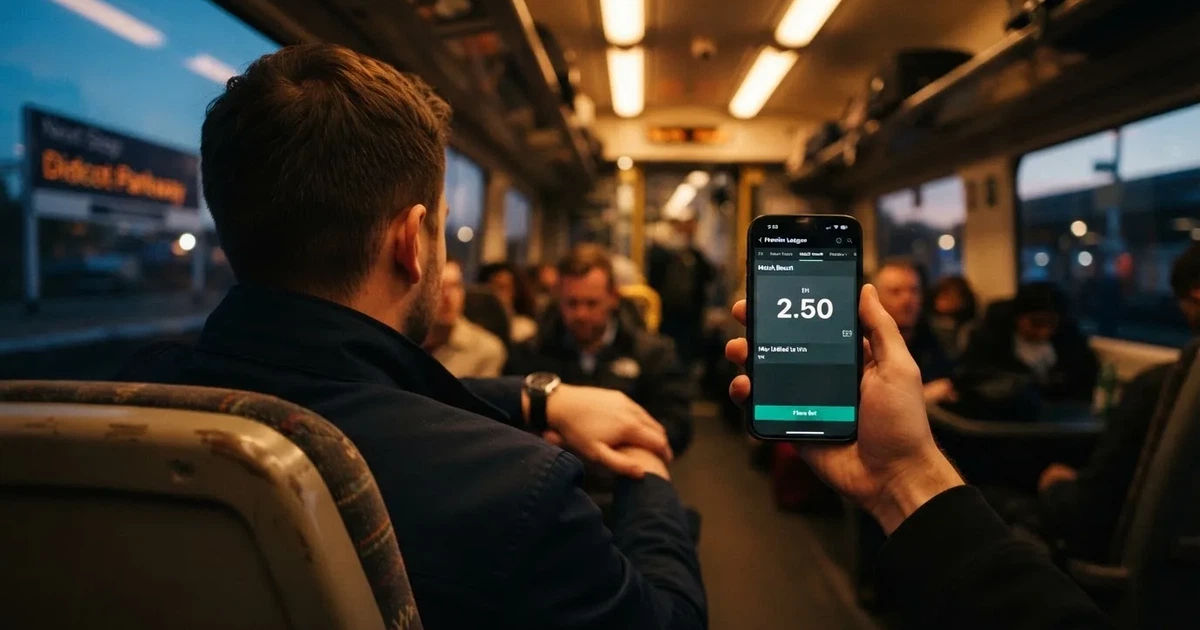
The data below is current as of 27 October 2026 and was verified against the Gambling Commission’s public register and each operator’s own published terms.
The shortlist: ten apps, ranked for what they are rather than for a single feature
A shortlist built on licence alone would run into the hundreds. Building it on a single feature — best price, biggest bonus, deepest in-play — produces a Top-1, not a Top-10. The brands below were picked because each one does at least one thing the others do not: Betfair runs a betting exchange inside the same app, Smarkets runs an order book, Tote runs the pool, Spreadex lets you spread bet as well as back a fixed-odds price. Where one brand does nothing the others do not, it earns its place on depth: BetMGM on its combined casino and sportsbook, Kwiff on its randomised price mechanic, Unibet on its safer-gambling surface. The table names the licence holder and what each operator’s own terms say about the feature the comparison turns on; the rest of the page expands each row into a verdict.
| Brand | Gambling Commission remote licence and holder | What the operator’s terms state on the comparison’s key subject |
|---|---|---|
| Kwiff | Account 44448 — Eaton Gate Gaming Limited | Trademark operated by Spryme Ltd; App Store age rating 17+; randomised “supercharged” odds on selected markets |
| Fitzwilliam Sports | Account 48760 — SBKI Limited | Instant deposits, fast withdrawals, timeouts and deposit limits; links to GambleAware, GAMSTOP and Gamblers Anonymous |
| DAZN Bet | Account 48756 — DZBT Limited | Deposits from £5 by debit card, Apple Pay, Paysafecard, Trustly and Skrill; £20 by PayPal; no processing fees |
| Geoff Banks | Account 54095 — GB Sports Advisors Limited | Live in-play prices and ante-post prices on future events; app by GB Sports Advisors Ltd |
| Tote | Account 54779 — TDCO Limited | Placepot, Jackpot, Scoop6 and Quadpot bets; World Pool and international pools (French PMU, US, Hong Kong) |
| VBet | Account 44662 — SCGO Limited | Bet Builder, pre-match and in-play betting, live streaming and a live calendar with results and stats |
| Unibet | Account 45322 — Platinum Gaming Limited | Operating since 1999; deposit limits, Player Profile test, product restrictions and self-exclusion; safer-gambling links to BeGambleAware, GamCare, GAMSTOP, Gambling Therapy and the BGC |
| Coral | Account 54743 — LC International Limited | Welcome offer of £40 in free bets on a £20 qualifying sports bet at minimum odds 2.0 (1/1); free bets issued within 7 days, expiring 7 days after issue |
| Midnite | Account 101839 — Midnite Limited | In-play events, acca builder, popular accas and price boosts with maximum-stake limits; weekly rewards club |
| BetMGM | Account 39198 — LeoVegas Gaming PLC | Combined casino and sportsbook under one app; LeoVegas Gaming PLC as publisher |
The licence numbers above come from the Commission’s public register; each account is searchable by name or number. A licence held by one operator does not cover another, and several of these brands sit under licensees that also run other names — LC International Limited, for example, is the licence holder for both Coral and Ladbrokes, and Flutter group companies run Paddy Power alongside Betfair. That matters only at the point a bettor complains: the answer goes through the licensed entity, not the trading name.
What a British betting app actually is
A sports betting app is a downloadable client — iOS or Android — that connects to a licensed bookmaker’s pricing engine and lets a registered customer place bets, watch live streams, deposit and withdraw. In Great Britain the same Gambling Commission rules cover the app and the website. That means an 18+ check before the first deposit, a GAMSTOP opt-in for anyone who has signed up to self-exclude, and the same safer-gambling tools in both places. The app is a delivery mechanism, not a separate product, so the licence that covers the website covers the app.

The official App Store ratings on the App Store UK listings cluster around 17+. That rating reflects a self-imposed ceiling, not a legal minimum — the law says 18, and a 17+ rating is the highest age gate Apple offers without an adult-only designation. Android listings carry an equivalent PEGI or Google Play age classification. What the rating does not tell you is whether the app will ask for proof of age on first deposit. Every operator in this shortlist will, because the Commission makes it a licence condition.
A British bettor installing a betting app for the first time should expect three things before they place a bet: an account with name, address and date of birth verified, a deposit by debit card or another non-credit method, and a default safer-gambling surface with deposit limits and timeouts available without having to dig for them. None of that is unusual; it is what licensed British betting looks like.
The legal frame: a Commission licence is the whole test
The Gambling Commission is the regulator. It licenses operators, sets the Licence Conditions and Codes of Practice (LCCP) and runs the public register where every British-licensed brand is searchable by name, trading name, account number or domain. Since the Gambling (Licensing and Advertising) Act 2014 a remote operator whose services are used in Great Britain needs a Commission licence wherever that operator is based. A Curaçao, Maltese or Gibraltar licence alone is not enough; the test is the Commission’s account number on the register, not the country the company is incorporated in. Betting exchanges, pool operators and fixed-odds bookmakers each carry their own category on the register — the categories you see most often are remote general betting standard (real events) and remote betting intermediary.
The minimum age is 18. Identity verification runs before the first deposit, including where the first product a customer claims is a free bet. Credit cards are banned for gambling in Great Britain, including credit-card-funded payments through an e-wallet. That is why every deposit method on these apps is a debit card, an e-wallet or a bank transfer rather than a credit card: the rule is at the operator level, and a brand that lets a credit card slip through fails its licence. The player pays no tax on betting winnings in Great Britain. General Betting Duty sits on the operator’s gross profit; the current rate is 15% across remote and on-course betting, and a remote-specific 25% rate is scheduled to apply from 1 April 2027. Whether that shift will land in tighter prices is not established and the operators do not state one way or the other.
The LCCP sets the safer-gambling and marketing rules every operator on this page has agreed to. The promotion rules in force since 19 January 2026 cap wagering requirements on bonuses at 10x — a £10 bonus at 50x would no longer be allowed — and ban mixed-product offers that ask a customer to bet on football in exchange for free spins. “Whistle-to-whistle” advertising, the rule that keeps betting ads off TV around live sport before the 9pm watershed, is an industry code rather than a statute. The Premier League clubs’ voluntary withdrawal of gambling logos from the front of matchday shirts from 2026/27 is also not law. Both are signals of where the marketing fight has moved, not of what the statute allows.
What an unlicensed brand loses the bettor
A GB-licensed operator is bound by the LCCP and by the Commission’s enforcement. An unlicensed offshore brand is bound by whatever its own terms say. That is the whole difference. An unlicensed brand does not cover a customer through GAMSTOP, does not route complaints through an approved alternative-dispute-resolution body, and is not subject to the 10x bonus cap, the £150 financial-vulnerability check or the 18+ verification before first deposit. The Commission’s enforcement is disruption, not blocking: cease-and-desist notices, search-engine referrals, work with payment providers and registrars, and court-ordered DNS blocking powers the regulator has been given or is about to receive. None of that is a customer protection — it is a regulator tool, and a bettor who funds an unlicensed account from a British card is on the same side of the rule as the operator.
Honest framing, then: a GB licence means checks, limits, GAMSTOP coverage and a regulator. An unlicensed site means none of those and the real risk of funds withheld without recourse. A reader’s choice on that point is a one-line decision, and this comparison works on the licensed side only.
Safer gambling: what the apps have to offer and what it costs the customer
Every brand in this shortlist is bound by the same Commission rules on safer gambling. Three of them are worth flagging because they change how a customer sets up an account.
Deposit limits are mandatory under the Remote Technical Standards. The first changes have applied since 31 October 2025 and a second phase was postponed to 30 September 2026 — the practical effect is that a customer can set a gross deposit limit on a fixed time frame and the operator has to honour it. There is no state-set ceiling on deposits or losses; the limits are the customer’s choice and the operator’s responsibility to enforce. Financial risk assessments — the affordability checks reported in the press — are announced in a staged plan, with no start date as of the Commission’s article of 7 July 2026. Where they land, they land on operators, not on customers directly. The financial vulnerability check already applies: a public-record check rather than an income check, triggered when a customer’s net deposits exceed £150 over a rolling 30-day window since 28 February 2025.
GAMSTOP is the national multi-operator self-exclusion scheme and a mandatory licence condition for online operators. Self-exclusion runs for six months, one year, five years, or five years with auto-renewal; after the minimum period the exclusion stays in place for another seven years unless the customer asks GAMSTOP to remove it. GAMSTOP covers online sites and apps; betting shops run a separate service.
The help lines behind these rules are GamCare (which runs the National Gambling Helpline), GambleAware, NHS gambling clinics and Gamblers Anonymous. The links sit on every licensed operator’s safer-gambling page, and several brands in this shortlist go further than the minimum. Unibet lists BeGambleAware, GamCare, GAMSTOP, Gambling Therapy and the BGC directly on its UK site. Fitzwilliam Sports runs the same trio of safer-gambling links plus instant deposits and fast withdrawals as headline features. Star Sports offers deposit limits, a Play Break facility and self-exclusion inside My Account.
A short line for the customers who need it: the deposit-limit tool, the time-out and the GAMSTOP registration are free, reversible in line with each scheme’s rules, and routed through the same Commission page. A customer who sets a £200 weekly deposit limit on Unibet, Coral or Fitzwilliam Sports can expect the other nine operators in this shortlist to honour that limit only if GAMSTOP self-exclusion is also set, because individual-operator limits apply at the brand and GAMSTOP applies across the licensed market.
Crypto, anonymity and what GB licensing does to them
GB-licensed operators do not run on the crypto rails the offshore market does. The Commission’s public register lists no licensed brand that takes bitcoin, ethereum or stablecoin deposits as a default payment method; the licensed payment methods across these ten apps are debit cards, bank transfers, PayPal, Apple Pay, Trustly, Skrill, Paysafecard and the Faster Payments rails. Identity verification runs before the first deposit, so a customer using bitcoin through a licensed operator would still be verified against name, address and date of birth — the deposit method is anonymous, the account is not. The result is a licensed bookmaker that does not need an anonymous payment rail because the regulator already knows who the customer is.
What an unlicensed crypto sportsbook offers — pseudonymous play, on-chain withdrawals, smart-contract bet settlement — a GB-licensed app does not. There is no state rule against a licensed brand accepting crypto at some future point, but the verification regime makes the customer-identifying half of crypto redundant, and no operator in this shortlist offers it as a headline feature. Spreadex, the only spread-betting brand in this list, runs under a separate FCA regime for financial spread bets and a Gambling Commission regime for fixed-odds bets — the FCA side is for index, FX and shares spreads; the Commission side is for sports. None of that touches crypto.
A reader who wants an on-chain betting experience has to leave the licensed market, and the section above on unlicensed brands is what they walk into. A reader who wants a regulated bookmaker with a verified account has the full licensed set in front of them and no reason to look further.
Bonuses and free bets: what the offers really cost the customer
Every brand in this shortlist runs some version of a welcome offer. The honest reading of any of them is in the small print, and the small print is the same shape on every app: a qualifying bet at a minimum price, free bets issued after settlement, an expiry window, and a turnover condition if the offer is a bonus rather than a free bet. The promotion rules in force since 19 January 2026 cap wagering requirements on bonuses at 10x and ban mixed-product offers, so the worst of the old bonus terms are out of the market.
Coral’s sports welcome offer is the clearest example on this shortlist: bet £20 at minimum odds of 2.0 (1/1), get £40 in free bets. The free bets are issued within 7 days of the qualifying bet settling and expire 7 days after issue. That is a flat free bet — the stake is not returned on a win. The qualifying bet is at evens or longer, so a customer who backs a heavy favourite does not qualify. The whole offer is for new GB customers who opt in, and the opt-in is what the LCCP marketing rules are written around: nothing is automatic, and an offer that fails to mention it is one the operator has not communicated in a way the Commission accepts.
Bet600’s app offer is more demanding on its face. The customer places at least five qualifying single bets of £10 or more at minimum odds 2.0 within seven days of registration, and one £10 free bet is credited after that. Five qualifying bets at minimum stake is the price of a £10 free bet, and the same “stake not returned” rule applies. BetVictor’s app lists regular price boosts, acca offers and free bets on selected events, with the welcome offers shown in the app and governed by its customer terms — BetVictor does not state a single headline number, which is the operator’s right and the customer’s problem when comparing. Lottoland UK’s current app welcome offer is casino-based and runs only until 14 February 2027: a £20 stake on selected slots earns 100 free spins on Fishin’ Frenzy Even Bigger Fish, no wagering, 30-day expiry. That is a casino offer inside a sports betting app — the mixed-product rule forbids new offers of that shape in the sportsbook, and Lottoland’s app sits in the licensed set under the Commission account listed in its App Store entry.
The marketing word that comes up most often is “free”. A free bet is not a refund. The stake is not returned with a win. A £10 free bet at 3/1 returns £40 of profit, not £50. A “risk-free” bet refunded as a free bet is not a refund in money, it is a free bet at the same value. A “100% bonus” is a deposit match with a turnover condition; under the 10x cap, a £100 bonus needs £1,000 of qualifying bets before the bonus and any winnings become withdrawable. None of that is hidden — it is what the Commission’s promotion rules were written to make legible, and the audit is what the rule is for. A bonus that hides a 50x wagering factor is a bonus that should not exist, and after 19 January 2026 it does not.
What the offers cost on this shortlist
The arithmetic behind a free bet is short. A £10 free bet at odds of 5.00 (4/1) returns £50 in profit; at odds of 1.50 (1/2) it returns £5. The stake is gone in either case. A bonus at 10x on a £50 deposit is £500 of qualifying bets at the minimum price the operator sets, often 2.0 (1/1) or above; at a stake of £10 a customer is looking at fifty qualifying bets before the bonus clears. None of these numbers are extraordinary — they are what the licensed market settled on, and the better offers on this shortlist are the ones that publish the small print clearly rather than the ones that shout the loudest.
Payments and payout speed
The licensed bookmakers on this shortlist work a fairly narrow set of rails. Debit cards and bank-based payments are universal. PayPal, Apple Pay, Trustly, Skrill and Paysafecard show up on most. Credit cards are out, by law. Identity verification is the reason a first withdrawal is rarely as fast as a first deposit: the operator has to clear funds before sending them, and a customer who has not yet sent proof of address waits on that, not on the payment rail.
DAZN Bet is the clearest example. Deposits start at £5 by debit card, Apple Pay, Paysafecard, Trustly and Skrill; deposits by PayPal start at £20. There are no processing fees on either side. NetBet’s app supports Instant Payments to bank, Apple Pay, PayPal and debit card, and Face ID or Touch ID login. bet365’s app is funded by debit card, PayPal and Apple Pay, with Face ID login on supported devices. Fafabet’s app supports Face ID or Touch ID login, with customer support contact details in the account settings. Smarkets runs two-factor authentication on its app, a quick trade-out option and 24/7 live chat support. The pattern on every licensed app is the same shape: a deposit by debit card or e-wallet, a withdrawal back to the same method, and a verification step before the first withdrawal is sent.
Payout speed is where the marketing has the most room. The licensed brands that advertise “instant withdrawals” mean the withdrawal is approved inside the app and sent through the Faster Payments rail to a UK bank — the customer sees the funds typically in minutes. The brands that publish a 24-hour or “next working day” window mean the operator’s own review of the withdrawal runs before the funds are released, and the rail is the Faster Payments layer underneath. The customer experience of an “instant” withdrawal at one brand and a “next-day” withdrawal at another is usually under two hours apart on a weekday; the larger gap is on weekends, when the operator’s review team is closed and a Friday night withdrawal waits for Monday morning.
A practical line for the customer: the deposit method that funded the account is the method the operator uses to send the withdrawal back. A customer who deposits by debit card and then asks for a withdrawal to PayPal is usually asked to send the funds back to the debit card first, with PayPal as a secondary option. That is money-laundering compliance, not the operator being awkward, and it is the rule on every licensed brand.
The mobile app: what a touchscreen gives you that a browser does not
The browser version of every licensed bookmaker works. The app is what gives the customer live-streaming that does not depend on a tab, push notifications on price movements and biometric login that does not require typing a password. The licensed set on this shortlist uses these features in slightly different ways.
Spreadex combines fixed-odds and spread betting in one app, with one-click, auto and partial cash out, a Bet Builder across fixed odds or spreads, and live streaming of UK and Irish horse racing, greyhounds, tennis, NFL and selected football. The app’s edge is that it is the only spread-betting interface on this shortlist; a customer who wants spread bets on the same device as fixed-odds bets has one option, and it is Spreadex. Spreadex is regulated by the FCA for spread betting and by the Gambling Commission for fixed-odds betting, and it states that spread betting losses can exceed the deposit.
Dabble is a social betting app. Its edge is the social feed — a real-time stream of bets, Copy Bets, group chats and Banter Channels. Dabble pays 10p when another user copies a bet. The safer-gambling surface on Dabble runs deposit limits and cooling-off periods. A reader who wants the social layer has one option on this shortlist and it is Dabble; a reader who finds the feed distracting has every other app to choose from.
Vbet runs a Bet Builder, pre-match and in-play betting, live streaming and a live calendar with results and stats. The live calendar is the working surface for a customer who wants to plan around specific kick-off times. Betfair Sportsbook runs in-play betting, a Bet Builder, free live streaming of UK and Irish horse racing and football inside the app, and a 90 Minute Payout market — settle on the result at 90 minutes rather than full-time, with the payout settled as if the game ended there. BetMGM UK combines a casino and a sportsbook under one app. BetVictor’s iPhone and iPad app combines a sportsbook with an online casino (roulette, blackjack, live casino and Mega Moolah jackpots). BetWright’s app adds a casino, live dealer tables and online bingo to the same publisher, BW Operations Limited.
The general shape across all ten is the same: biometric login on iOS, fingerprint or PIN login on Android, push notifications on score changes and price movements, live streaming on at least one sport, a Bet Builder or same-game multi on football, and a cash-out button on selections that have not settled. The brands that diverge are the ones with a single defining feature: Smarkets with its order book view and two-factor authentication, Tote with its pool bets and international pools, Spreadex with its spread betting, Dabble with its social feed.
Sports, tournaments and markets: what each app actually prices
The licensed market covers the same big sports across all ten apps: football, horse racing, tennis, cricket, rugby, golf, basketball, American football, ice hockey, MMA, boxing, Formula 1 and esports. The Premier League, Champions League, the Grand National, the Open, Wimbledon, the Ashes, the Six Nations, the Masters and the Super Bowl are priced everywhere. What separates the apps is depth — how many markets each fixture runs — and specialisation — the leagues a particular app pushes.
bet365 is the official global betting partner of the UEFA Champions League, and the App Store UK listing describes its app as the most downloaded sports betting app in the UK. Tote’s app runs the Placepot, the Jackpot, the Scoop6 and the Quadpot, plus the World Pool and international pools on French PMU, US and Hong Kong events. The pool bet is the Tote’s specialisation; the rest of the shortlist does fixed-odds and the Tote does both. Geoff Banks’ app runs live in-play prices and ante-post prices on future events. The ante-post book is the part of the app the rest of the shortlist does not lean on as heavily.
Football is where the Bet Builder, the cash-out button and the live stream do their work. Every app in this shortlist runs some form of Bet Builder on football — Spreadex runs it across fixed odds or spreads, Betfair runs it on football, Vbet runs it alongside its live calendar. Horse racing is where each-way betting and best-odds-guaranteed (BOG) are the named features — each operator’s terms set the place terms, and BOG is the rule that pays out at SP if the starting price is bigger than the price the customer took.
The more specialised markets — esports, MMA, political betting, TV specials — sit inside the same app and the same licence category. No statutory list of permitted markets exists, and the operator decides what it prices under its licence conditions. A customer who wants a niche league should expect to find it priced on Kwiff, BetVictor, bet365 and Unibet first, with the smaller books following.
Kwiff: randomised prices on the licensed set
Kwiff is the brand to install if the customer values a price mechanic more than a market catalogue. The trademark is operated by Spryme Ltd and the App Store UK listing carries a 17+ age rating; the Gambling Commission account is 44448, held by Eaton Gate Gaming Limited, and the categories on the register are remote general betting standard (real events). The “supercharged” odds on selected markets are what Kwiff is built around — a customer takes a price and the app may randomly upgrade it before the bet is placed, with the upgrade shown on the bet slip. The catalogue is the standard licensed one rather than a deep niche offering; the randomisation is the specialisation.
A reader who picks Kwiff is picking the surprise over the catalogue. The licence status is consistent with the rest of the shortlist and the safer-gambling surface sits under the same Commission rules, but the brand’s working surface is the randomised boost rather than the price ladder. The two things the reader should check are the maximum stake on a boosted market — the boost is usually capped — and the qualifying terms of any welcome offer, which the app lists in its own terms.
Verdict: Kwiff suits a bettor who values a surprise on a familiar market over depth on a niche one. The licence is solid, the operator is small and the experience is narrower than BetVictor or bet365. The reader who wants the deepest Premier League book should look elsewhere.
Fitzwilliam Sports: the racing-led small book with a clear safer-gambling surface
Fitzwilliam Sports is the smallest brand in this shortlist by name recognition and one of the cleanest on its safer-gambling page. The Gambling Commission account is 48760, held by SBKI Limited, and the categories on the register are remote general betting standard (real events). The site lists instant deposits, fast withdrawals, timeouts and deposit limits as headline features, and the safer-gambling surface links to GambleAware, GAMSTOP and Gamblers Anonymous.
A racing-led small book runs a narrower catalogue than bet365 or BetVictor and a sharper one on its own sports. The withdrawal speed is the brand’s selling point: a customer who values a withdrawal landing back on a debit card inside an hour has a place to look. The reader who wants a Bet Builder on a Champions League match has the rest of the shortlist to choose from.
Verdict: Fitzwilliam Sports suits a bettor whose priority is a fast, regulated withdrawal and a clean safer-gambling surface, and who is happy with a smaller catalogue. The licensed set is the test the brand passes, and the rest is fit.
DAZN Bet: low deposits, broad payment rail, sports-casino overlap
DAZN Bet sits at the low end of the deposit ladder. The Gambling Commission account is 48756, held by DZBT Limited, and the categories on the register are remote general betting standard (real events). The help-centre terms state that deposits start at £5 by debit card, Apple Pay, Paysafecard, Trustly and Skrill; deposits by PayPal start at £20. There are no processing fees. The DAZN tie-in — the brand runs inside the DAZN streaming subscription in some markets — gives it a sports-heavy catalogue rather than a casino-heavy one.
A low deposit limit is the kind of detail that decides a brand for one customer and not another. A bettor who wants to start with £5 has DAZN Bet, NetBet, bet365 and the rest of the licensed set at the same minimum. A bettor who values PayPal at the £5 minimum has DAZN Bet only, because the £20 PayPal minimum on this app is the cheapest among the larger books. The reader who does not use PayPal has no reason to install DAZN Bet over a more established brand.
Verdict: DAZN Bet suits a bettor who funds the account in small amounts by PayPal or by a specific e-wallet. The licence is consistent with the other apps on this page, the deposit ladder is the brand’s defining feature, and the catalogue is the licensed mainstream.
Geoff Banks: ante-post and live in-play on a small book
Geoff Banks is the smallest book on this shortlist by turnover, and the cleanest on a particular part of the betting catalogue. The Gambling Commission account is 54095, held by GB Sports Advisors Limited, and is authorized for remote general betting on real events. The app, published by GB Sports Advisors Ltd, runs live in-play prices and ante-post prices on future events. The ante-post book — long-priced markets on events weeks or months ahead — is where a small book can beat a larger one, because the larger books price in tighter margins on the way out and a smaller book can carry a price further forward.
A reader who picks Geoff Banks is picking ante-post depth over catalogue breadth. The licensed status is the same as the rest of the shortlist. The brand’s working surface is the long-priced future rather than the in-running market; the in-running market is the part every app on this shortlist runs.
Verdict: Geoff Banks suits a bettor whose betting book leans on ante-post prices weeks ahead of an event. The licence is solid, the catalogue is narrow, and the ante-post depth is the brand’s edge.
Tote: the pool book inside a licensed app
Tote is the only pool operator on this shortlist. The Gambling Commission account is 54779, held by TDCO Limited, and is authorized for remote general betting on real events. The app, published by UK Tote Group Ltd, runs Placepot, Jackpot, Scoop6 and Quadpot bets, plus the World Pool and international pools on French PMU, US and Hong Kong events. A pool bet is the opposite of a fixed-odds bet — the payout is a share of the pool rather than a multiple of the stake — and the Tote is the British pool.
A reader who picks Tote is picking a different kind of bet on the same racing calendar. The place terms on a pool are set by the pool rather than by the bookmaker, and the payouts on a big race can dwarf the fixed-odds place payouts. The brand’s working surface is the pool rather than the fixed-odds book; the rest of the catalogue is the licensed mainstream.
Verdict: Tote suits a bettor whose racing betting leans on pool bets rather than fixed-odds prices, and who values the World Pool and the international pool events. The licence is solid, the brand’s edge is the pool itself, and the rest of the app is a competent racing-led book.
VBet: the live calendar and the live stream under one roof
VBet is the brand on this shortlist that leans hardest on the live calendar. The Gambling Commission account is 44662, held by SCGO Limited, and is authorized for remote general betting on real events. The app, published by SCGO Limited, runs a Bet Builder, pre-match and in-play betting, live streaming and a live calendar with results and stats. The live calendar is the working surface: a customer sees the day’s fixtures with kick-off times, results, stats and stream links on one screen.
A reader who picks VBet is picking the live calendar over the social feed or the order book. The brand’s working surface is the calendar plus the stream; the rest of the catalogue is the licensed mainstream.
Verdict: VBet suits a bettor whose betting book leans on a working calendar of fixtures and a live stream under each one. The licence is solid, the catalogue is the licensed mainstream, and the live calendar is the brand’s edge.
Unibet: the safer-gambling surface as a feature
Unibet is the longest-running brand on this shortlist by the operator’s own claim — operating since 1999, according to its UK site — and the most explicit on the safer-gambling surface. The Gambling Commission account is 45322, held by Platinum Gaming Limited, Gibraltar; it holds the standard remote general betting licence for real events. The UK site lists deposit limits, a Player Profile test, product restrictions and self-exclusion, with live chat support and links to BeGambleAware, GamCare, GAMSTOP, Gambling Therapy and the BGC. That is the safer-gambling list every licensed operator carries, written out plainly.
The catalogue is the licensed mainstream, the price boosts run on football and racing, and the Bet Builder runs on football. A reader who picks Unibet is picking the safer-gambling surface as much as the catalogue — the app makes deposit limits and the Player Profile test a first-class feature rather than a sub-menu item. The brand is established; the catalogue is mainstream; the safer-gambling surface is the differentiator.
Verdict: Unibet suits a bettor who values the safer-gambling tools being on the home screen rather than buried in a sub-menu, and who wants the licensed mainstream catalogue. The licence is solid, the brand’s edge is the safer-gambling surface, and the rest is fit.
Coral: the welcome offer, the Ladbrokes licence and the licensed mainstream
Coral is one of two high-street names on this shortlist, and the only one with a headline welcome offer that names its numbers plainly. The Gambling Commission account is 54743, held by LC International Limited; it holds the remote general betting licence for real events and the betting intermediary licence. The latter is the exchange category and is held against the same licence; Coral does not run an exchange in the same way Betfair does, and the licence category is the same shape Flutter group companies share.
The sports welcome offer is “Get £40 in Free Bets when you bet £20”: a deposit and sports bet of £20 or more at minimum odds of 2.0 (1/1), with £40 in free bets issued within 7 days and expiring 7 days after issue, for new GB customers who opt in. The maths is straightforward — a £20 qualifying bet at minimum evens returns £40 of profit if it wins, plus £40 in free bets that pay profit only — and the small print is the licensed-market small print rather than the offshore-market kind.
A reader who picks Coral is picking the headline offer and the high-street name. The licensed mainstream catalogue is the same as the rest of the shortlist. The Bet Builder, the cash-out button, the live stream and the safer-gambling surface are present; the welcome offer is the brand’s edge on first install.
Verdict: Coral suits a bettor who values a clear, plain-English welcome offer and a high-street name with a long British history. The licence is solid, the catalogue is the licensed mainstream, and the welcome offer is the differentiator on first install.
Midnite: in-play, acca builder and a price boost with a stake cap
Midnite is the brand on this shortlist that names its stake caps. The Gambling Commission account is 101839, held by Midnite Limited; it holds the standard remote general betting licence for real events. The site shows in-play events, an acca builder, popular accas and price boosts with maximum-stake limits. The App Store listing, published by Dribble Media Limited, lists weekly rewards clubs and rapid payouts. The stake cap on a price boost is the kind of detail the operator is required to publish under the promotion rules, and the brand’s working surface is the in-play book with the boost ribbon on top.
A reader who picks Midnite is picking a price-boost-heavy in-play book with a stated stake cap. The licensed status is the same as the rest of the shortlist; the safer-gambling surface is the licensed one. The weekly rewards club is a feature a customer who values a recurring promo will check the terms of.
Verdict: Midnite suits a bettor who bets primarily in-play and values price boosts whose stake caps are published. The licence is verifiable, the catalogue is standard and the price boost with a stake cap is the brand’s edge.
BetMGM: the combined casino and sportsbook under one app
BetMGM UK is the only brand on this shortlist that publishes the publisher as a casino operator rather than a sportsbook. The Gambling Commission account is 39198, held by LeoVegas Gaming PLC; it holds the standard remote general betting licence for real events. The App Store UK listing is published by LeoVegas Gaming p.l.c. and lists Gambling Commission account number 39198, with the casino and sports sitting under the same licence.
A combined casino and sportsbook is the shape the larger operators have converged on, and BetMGM sits inside that shape. A reader who values a casino bonus or a jackpot slot under the same app as the sportsbook has BetMGM and BetVictor to compare; a reader who wants a sportsbook-only app has every other brand on this shortlist.
Verdict: BetMGM UK suits a bettor who values the casino and the sportsbook under the same licence and the same login, and who is happy with the LeoVegas Gaming PLC surface. The licence is solid, the catalogue is the licensed mainstream, and the combined casino is the brand’s edge.
Where this leaves a British bettor in 2026
A licensed app is the baseline, not the differentiator. Every brand in this shortlist holds a Gambling Commission remote licence and is on the Commission’s public register; the verification, the safer-gambling surface and the GAMSTOP opt-in are the same on all of them. The choice is on the second order, and it breaks on a few questions a bettor can answer in a minute.
What does the customer bet on? Horse racing points at Fitzwilliam Sports, Tote, bet365, Coral and BetVictor; football with a deep Bet Builder points at bet365, Betfair, Vbet, Spreadex and Unibet; ante-post long-priced markets point at Geoff Banks; pool bets point at Tote; spread bets point at Spreadex; the social feed points at Dabble; the order book points at Smarkets; the randomised price points at Kwiff; the combined casino and sportsbook points at BetMGM and BetVictor. The customer who bets on all of it has every brand in front of them; the customer who bets on one of it has a shortlist of three or four.
How does the customer want to fund the account? A £5 deposit by debit card, Apple Pay, Paysafecard, Trustly or Skrill is on DAZN Bet, NetBet and the licensed mainstream; a £20 PayPal minimum is on DAZN Bet; Face ID login is on bet365, NetBet, Fafabet and the larger books; no processing fees is on DAZN Bet and most of the licensed set. A customer who wants PayPal at the lowest minimum has DAZN Bet; a customer who wants Face ID on every login has the larger books.
How does the customer want to take winnings out? A “rapid payout” framing sits on Midnite, NetBet and the licensed mainstream; an “instant withdrawal” framing sits on Fitzwilliam Sports and on the licensed mainstream. The actual rail underneath is the Faster Payments layer, and the operator’s review step is the only difference on a weekday. The customer who values the rail above the brand label has the whole licensed set.
What does the customer want from the welcome offer? Coral’s £40-in-free-bets offer is the headline on this shortlist; BetVictor’s regular price boosts are the recurring edge; Lottoland’s casino offer is the cross-product angle and runs only until 14 February 2027. A customer who reads the small print on every offer has every brand on this shortlist; a customer who takes the first number on the splash screen has Coral.
The honest reading of this comparison is that the differences between ten licensed apps are smaller than the marketing makes them look. A British bettor who installs two of them — one for football, one for racing — covers the licensed mainstream without redundancy and without the brand tax of running every app. The licensed baseline is the test; the choice inside that baseline is the brand.
Frequently asked questions
Which sports betting apps are legal in Great Britain?
Every operator that holds a Gambling Commission remote licence for real-event betting is legal in Great Britain; the Commission’s public register lists the account numbers. The apps on this page — Kwiff, Fitzwilliam Sports, DAZN Bet, Geoff Banks, Tote, VBet, Unibet, Coral, Midnite and BetMGM — each hold such a licence, and the register can be searched by name, account number or domain. A licence held by a Curaçao, Maltese or Gibraltar operator alone is not enough; the test is the Commission’s account number on the register, not the country of incorporation.
How do sports betting apps work?
A sports betting app connects a registered customer to a licensed bookmaker’s pricing engine. The customer registers with name, address and date of birth, verifies those details, deposits by a Commission-approved method (debit card, bank transfer or a regulated e-wallet), and places bets on the markets the operator prices. The app delivers live streams, push notifications and biometric login on top of the same betting functionality. Every licensed app runs GAMSTOP, deposit limits and timeouts as safer-gambling features, and every licensed operator checks the customer’s age and identity before the first bet.
How can a customer check that a bookmaker holds a Gambling Commission licence?
The Commission’s public register is searchable by business name, trading name, domain or account number. Every licence number on this page is the Commission’s account number; the full licence reference (the 044448-R-323408-017 shape) is on the Commission’s public register against the licensee named in the operator’s own terms. A brand that does not appear on the register is not licensed, regardless of where it is incorporated.
How is the return on a bet worked out from the stake and the odds?
For a single bet at decimal odds o and stake s, the return is s × o and the net profit is s × (o − 1). A £10 bet at odds of 5.00 returns £50 and pays £40 of profit; a £10 bet at odds of 1.50 returns £15 and pays £5 of profit. For a combination bet the odds of the legs multiply into one price, and the stake is multiplied by that combined price. For an each-way bet the stake doubles, with the win half at the full odds and the place half at the place terms set by the operator. A free bet returns profit only; the stake is not returned.
What is the bookmaker’s margin and how can it be seen in the odds?
A bookmaker’s margin is the share of every unit bet on a market the operator keeps on average. For a three-outcome market with decimal odds o₁, o₂ and o₃, the payout share is 1 ÷ (1/o₁ + 1/o₂ + 1/o₃) and the margin is 1 minus that share. On a 1X2 football market with home odds 2.10, draw odds 3.40 and away odds 3.60 the sum of reciprocals is 1.205 and the payout share is about 0.830, leaving a margin of about 17%. A two-outcome market at 1.91 and 1.91 has a margin of about 4.7%; at 1.95 and 1.95 the margin is about 2.6%. The margin is the same market seen from the other side of the payout share, and it is the number that tells a bettor which bookmaker is keeping the most of every pound bet on a market.
Payments & apps – Free bets
Content created by the «Free bets» team
