
Ante Post Betting 2026 — Selection, Settling, Staking
 Available in US
Data current as of 27 October 2026, verified against the Gambling Commission’s public register.
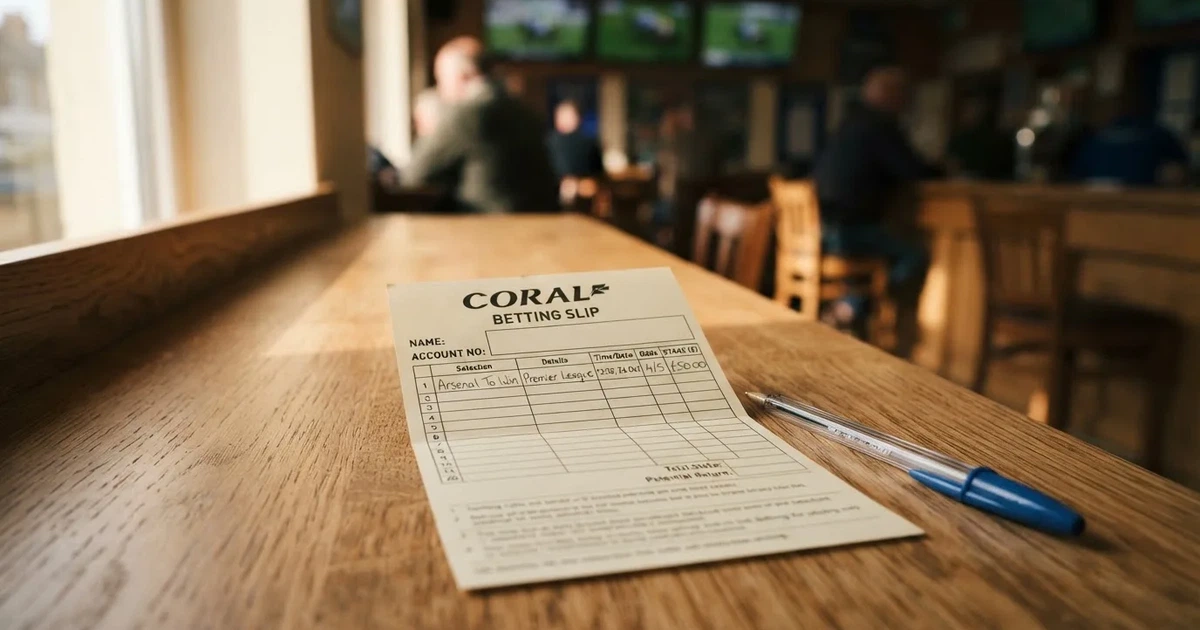
A price on the Champion Hurdle in November is not the same animal as a price an hour before the off. The earlier wager pays better, sometimes dramatically so, and that is the entire economic case for ante-post betting. It is also where the trap sits: the same bookmaker who pays 10/1 in January is not promising to pay 10/1 in March, and once a horse is pulled out at the stalls the punter’s stake walks away with it. What follows is the shape of that bargain as it lands in 2026, the rules every major British bookmaker applies to a future-racing market, and the ten licensed operators who take the bet.
The consequential case for ante-post betting
The case is not that the bettor is cleverer than the market. The case is arithmetic. A horse tradeable at 10/1 on the day may have been 16/1 six weeks out, because the price pools thin as race day approaches and the bookmaker keeps a thicker margin in the final 24 hours than it did when the market first opened. The earlier stake, in other words, captures a wider price for the same eventual outcome, and over a season of major festivals that gap is where the edge lives for anyone with a view stable enough to hold it for two months.

The consequence is that the punter who goes in early accepts a different bundle of risks to the one who waits. The earlier price is locked. The horse may not run. The race may move course or be abandoned. The non-runner rule is harsher than its day-of-race cousin: in standard win betting a horse withdrawn before the off usually voids the bet and returns the stake, while on ante-post markets the same withdrawal, by default, costs the punter the stake outright. That is the trade. A bigger number, a longer exposure, and a rulebook that punishes the punters whose selections do not turn up.
The strategy material follows from there. A bankroll allocated to future-racing wagers has to be sized for the non-runner rate, not for the win rate. A “tip” handed over a fortnight before the race has a half-life of its own: prices compress as the smart money lands, then expand again if a key stablemate is rerouted, then compress a final time as declarations come in. Anyone building a position across a dozen ante-post markets for a single festival is, in effect, running a small portfolio with a known attrition rate, and the only way that portfolio turns a profit is if the average price captured exceeds the average true probability by enough to absorb the runners who do not make the line.
Bankroll sizing for non-runner drag
The non-runner is the single biggest cost a serious ante-post bettor pays, and it is invisible in the price. A Cheltenham festival longshot market running twenty-eight days out might see ten per cent of the field withdrawn before declarations; a Grand National market running three months out can lose a quarter of its entries to the same attrition. The punter who sizes each wager as if every selection will run is overbetting the bank by exactly that attrition rate, and the first twenty minutes of a quiet Tuesday in March can wipe out a month of careful staking.

The working rule of thumb is to divide the intended festival stake by the number of selections you would still want to hold if a third of them were pulled. A £300 ante-post budget across nine fancies for Cheltenham is not nine £33 bets. It is nine bets sized so that losing three of them in advance still leaves a bank the punter is comfortable staking on the remaining six at the original unit. Most serious ante-post players run their future-racing bank at roughly half what they would spend on the same number of day-of-race bets, and that discount is not timidity. It is the price of the non-runner rule.
The forecast and the value
A prediction service that names twelve horses for a single championship race in February has, in most years, named a fraction of the actual field. The price on the selections the service got right was generous; the price on the ones it got wrong was wasted, and on ante-post the wasted stake is gone. The honest filter for a tipping source in this market is not the strike rate, which is mostly uncheckable in advance, but the average price of the selections it actually recommends. A service recommending 16/1 shots that wins one in twenty is mathematically in profit if the true probability was one in eighteen; a service recommending 5/1 shots that wins one in six is in deficit against the same true probability. The arithmetic of value is the same as it is for any other price-driven market. Ante-post just makes the gap between price and probability wider on both sides, which is what makes the strategy interesting and what makes the misjudgment expensive.
What an ante-post bet actually is
An ante-post bet is a wager placed before a race’s final declarations are known, which in practice means at least a day before the event and often weeks or months. The bet is struck at the price displayed at the moment of placement, not at the price the horse starts at, and the bet is settled at that original price regardless of where the market has moved in the meantime. That is the whole mechanic. It is also where most of the public confusion lives, because punters accustomed to Best Odds Guaranteed assume a guaranteed upgrade on the day; BOG explicitly excludes ante-post markets in the major British bookmakers’ own terms, and the punter who assumed otherwise has paid for the education.
The markets sit under various labels across the industry. Sky Betting & Gaming calls the section “Horse Racing — Future Racing (Ante Post)”. Other operators use “Antepost” or “Futures” on horse racing, and the same construction is used elsewhere: the Grand National market often opens the morning after the previous year’s race, the Champion Hurdle market opens in autumn, and outright markets on the major football leagues open in summer for the following season. The rules below apply across the family of markets, not just to horse racing, but the bulk of the volume and most of the dispute is in the racing book.
Settling and staking
Three rules govern the lifecycle of an ante-post wager. They are consistent across the major licensed operators, and the punter who plans to take more than a handful of these bets in a season needs to know them cold.
Settled at price taken. The bet is settled at the price the punter agreed to when the bet was struck, not at the starting price and not at the price on the day. If the punter takes 14/1 in February and the horse wins at 5/1 SP in March, the bookmaker pays 14/1, not 5/1 and not the better of the two. There is no best-odds guarantee, no SP upgrade, and no discretionary improvement. The number on screen at the moment the bet is confirmed is the number the bookmaker pays.
Selection does not run — stake lost, by default. In standard win betting on the day, a non-runner voids the bet and the stake returns. In ante-post betting, the default position is the opposite: if the selection is declared a non-runner, the bet loses and the stake is not returned. Some bookmakers soften this in their promotional terms or for certain markets, but the rule that applies unless the operator’s own terms say otherwise is that a withdrawn horse is a lost wager. This is the single most expensive gap in understanding the market, and the punter who does not internalise it will give a season’s worth of stakes to the bookmaker’s margin in a single Saturday.
Place-only, conditional and forecast bets are not accepted on ante-post markets. Each-way betting is permitted on most ante-post markets, but place-only singles, reverse forecasts and similar conditional structures are not. The bet type is locked to a win single or an each-way single, and any combination bet — the ante-post accumulator, for instance — works on a different basis. A leg of an ante-post accumulator that does not run is not a void: the accumulator continues on the remaining legs at their original prices, so a fourfold reduced to a treble by a non-runner pays as a treble, not as a voided fourfold. The bet does not collapse to its stake the way a day-of-race accumulator would.
What voids the bet
The list is short, and that is the point. An ante-post bet survives almost everything the day-of-race market survives and a few things the day-of-race market does not.
A race that is abandoned voids every ante-post bet on it, with stakes returned. A race that is moved to a different course also voids every ante-post bet. The race can be rescheduled, the field can change, the going can change, the trainer can change — none of that voids a wager once it is placed. The bet survives the run-up to declarations. What the bet does not survive is the event itself being cancelled or relocated, and on a British festival card the probability of either is small but not negligible: weather abandonments of entire meetings do happen, and the punter whose entire ante-post position rests on a race that gets called off at 8 AM has learned something the hard way.
A second voiding trigger is the elimination of the market. A bookmaker can withdraw an ante-post market at any time, in which case all bets struck in that market are void and stakes returned. The major operators rarely do this on flagship markets; the more common cause of a market being withdrawn is a horse being rerouted or withdrawn, after which some bookmakers leave the betting open at an updated price and others close the market entirely. The punter has no contractual lever to keep a market open and no warning when one is about to close. The price the screen showed when the bet was confirmed is the price that is paid, and if the market is closed the day before the bet would have been useful, the bet is voided with the stake returned and the punter is back where they started.
How a £10 ante-post stake at 10/1 actually pays
The maths of an ante-post payout is the maths of every fixed-odds payout, and the punter who treats it as a different species of bet is doing themselves a disservice. The return is the stake multiplied by the decimal price; the profit is the stake multiplied by the decimal price minus one. The rest is window-dressing.
Working in decimals
Decimal odds are the easier format for any working-out. A horse at 10/1 fractional is 11.00 in decimals, because the conversion is fractional-plus-one: 10 divided by 1, plus 1. A £10 stake at 11.00 returns £110 if the horse wins. That £110 is £100 of profit and £10 of returned stake. The punter’s bank is up £100, not £110, because the £10 stake is the punter’s own money coming back. A horse at 6/4 fractional is 2.50 decimal. A £10 stake at 2.50 returns £25, of which £15 is profit.
The same shape applies to a winning each-way bet, with one adjustment. An each-way wager is two equal-stake bets: a win bet and a place bet, with the place bet paying a fraction of the win price, typically a quarter or a fifth depending on the number of runners and the operator’s terms. A £10 each-way bet is £10 on the win and £10 on the place, so the total stake is £20. If the horse wins at 11.00, the win half pays £110 and the place half pays £110 divided by 4 (a quarter of the win odds on a typical handicap, say) plus the £10 place stake. The total return is £110 plus £27.50 plus £10 stake, which is £147.50, and the profit against the £20 staked is £127.50.
Combination bets at ante-post prices
Ante-post combination bets — the ante-post accumulator, the ante-post Lucky 15 — are built the same way any combination bet is built. The prices of the legs multiply into a single combined price, and the combined price is what the punter takes at the moment the bet is struck. A fourfold at prices 11.00, 6.00, 4.50 and 3.25 has a combined price of 11 × 6 × 4.5 × 3.25, which is 965.25. A £10 stake returns £9,652.50 if all four legs win, of which £9,642.50 is profit.
The non-runner rule is what makes ante-post combination bets interesting rather than merely large. A leg of an ante-post fourfold that does not run is removed from the bet, and the bet is settled on the remaining legs at the original prices. The fourfold becomes a treble, paid at the treble’s combined price, and the punter is not given the option of voiding the entire bet. By contrast, a non-runner in a day-of-race accumulator voids the entire bet, with stakes returned. The ante-post version is the more forgiving of the two: a fourfold reduced to a treble may still be a large payout, while a voided fourfold is just the stake back. The cost of that forgiveness is the same harsh non-runner rule on the singles: a stand-alone ante-post bet on a non-runner is a lost stake, not a void.
The bookmaker’s margin and where it lives in the price
Every price a bookmaker offers contains a margin. The margin is the slice of every pound wagered that the bookmaker keeps on average, after all winners have been paid. The flip side of the margin is the payout share: the fraction of every pound wagered that is returned to bettors as winnings across a large number of markets. Margin and payout share always add to one: a bookmaker with a 5% margin returns 95% of stakes to bettors on average; a bookmaker with an 8% margin returns 92%.
The simplest way to see the margin in a single market is to add the implied probabilities of every outcome and compare the total to 100%. A two-way market with decimal prices 1.90 on either side has implied probabilities of 1 ÷ 1.90 and 1 ÷ 1.90, which is 0.5263 each, totalling 1.0527. The total is 5.27% above 100%, and that excess is the bookmaker’s margin. The payout share, on the same numbers, is 1 ÷ 1.0527, which is 95.00% — and the margin is 5.00%, with the small difference from the 5.27% figure being rounding noise from working with two-decimal prices.
A 5% margin is, broadly speaking, a tight market for British racing. Ante-post markets on flagship races typically run wider than that, with the smaller meetings and the longshot end of major festivals running higher still, because the bookmaker has less information to price against and a thinner pool of money to balance the book. A punt on a Champion Hurdle outsider in November might sit at a 12-15% margin, while a major horse in a saturated race on the day might sit at 4-5%. The punter shopping for value in ante-post markets is, in part, shopping for the operator whose margin on the specific market is tightest. The market’s margin is a function of competition and information, and the punter who knows the difference between a 6% and a 12% market on the same race is the punter who will make the early price pay.
A worked example with stated assumptions
Take an illustrative two-way market priced at 1.90 on either side. The implied probabilities are 1 ÷ 1.90 for each outcome, which is 52.63% on each side. The two implied probabilities sum to 105.26%, and the bookmaker’s margin on this market is the excess over 100%, which is 5.26%. The payout share, on the same numbers, is 1 ÷ 1.0526, which is 95.00%. So a bookmaker offering 1.90 on both sides of a balanced two-way market returns, in the long run, 95 pence of every pound wagered across the market to bettors as winnings and keeps 5 pence on average. The result is a band, not a single number: the figure assumes the book is perfectly balanced between the two outcomes, and the real margin the bookmaker earns on a particular race will be tighter or wider depending on how the money actually landed.
The top ten bookmakers for ante-post betting in 2026
The ranking below is built around the same test a serious ante-post punter would apply: a current Gambling Commission remote licence, an ante-post market that is actually populated with selections, and the kind of rules and product depth a future-racing wager requires. The list runs from the operators with the deepest racing heritage to those whose ante-post book is part of a wider sportsbook offer. Every entry holds a Commission remote general betting standard (real events) licence; that is the licence category that authorises the ante-post markets discussed on this page, and the absence of it is the absence of the right to take a British bet online.
| Brand | Gambling Commission remote licence | Licence holder | Position on ante-post |
|---|---|---|---|
| Fitzdares | 000400-R-103839-030 (account 400) | Fitzdares Limited | Racing-led product; ante-post across horse racing, football, tennis, rugby, cricket, golf and American football; cash out, accumulators, Lucky 15s and specials; in-play live odds alongside the future book. |
| Tote | 054779-R-331321-008 (account 54779) | TDCO Limited | Pool-betting heritage, with a fixed-odds racing product that carries an ante-post book for the major festivals and a separate pool product on the day. |
| Geoff Banks | 054095-R-330366-010 (account 54095) | GB Sports Advisors Limited | A smaller book run by a named tipster; live in-play prices alongside ante-post prices on future events, with the racing focus that the brand’s name implies. |
| Lottoland | 038991-R-319408-020 (account 38991) | EU Lotto Limited | Lottery-led brand that has added a sportsbook; ante-post coverage on the major championships sits alongside the lottery and casino products. |
| Betmaster | 065699-R-339929-002 (account 65699) | BM Solutions GB Ltd | A sportsbook with football, tennis and racing ante-post coverage; the racing book is not the headline product but is present and licensed. |
| 10bet | 043173-R-322899-023 (account 43173) | Blue Star Planet Limited | A sportsbook with cash out, bet builder and live streaming; ante-post markets sit inside a wider pre-match book rather than a racing-led interface. |
| bet365 | 055148-R-331498-002 (account 55148) | Hillside (UK Sports) ENC | The benchmark for in-play and combination products; Bet Builder+ across pre-match and in-play, daily price boosts, ante-post coverage on the major championships inside a very wide book. |
| Copybet | 053774-R-330743-010 (account 53774) | Copybet UK Limited | Racing-led with Best Odds Guaranteed on UK and Irish racing all day every day; ante-post book covers the major festivals under the standard price-taken rule, with first-past-the-post payouts on racing. |
| London Bet | 066162-R-340278-004 (account 66162) | Thistle Bet Limited | A smaller UK-facing book; the ante-post offer is present but sits within a casino-heavy product rather than a racing-led one. |
| BetMGM | 039198-R-319450-029 (account 39198) | LeoVegas Gaming PLC | A US-originated brand that has built a UK sportsbook around casino-style onboarding; ante-post markets sit inside the sportsbook alongside football-led promotional offers. |
The test for whether a name belongs on this list is the Gambling Commission’s public register, which is searchable by business name, trading name, domain or account number. The Commission is the regulator of the remote general betting standard (real events) category under which ante-post horse racing is offered, and the public register is the only place a punter should look to confirm that a brand is licensed at all. A brand that does not appear on the register, or that appears only under a category that does not cover sports betting, is not licensed to take a British ante-post bet online.
The shape of the UK licensed market
The licensed market for online sports betting in Great Britain is wider than any list of ten, and the ten above are a sample of the licensed bookmakers who carry ante-post markets on the major British and Irish racing festivals, plus a few who carry the wider outright book on football, tennis and golf. The Commission’s public register lists every holder of a remote general betting standard (real events) licence, and a punter who wants the full set can search the register directly. A brand that holds the licence is a brand that has passed the Commission’s checks; a brand that does not is not, and the distinction matters for the protection the punter gets if the bet goes wrong.
Three structural features shape the market as it sits in 2026. The first is that every GB-licensed online operator takes part in GAMSTOP, the national multi-operator online self-exclusion scheme, and a punter who has self-excluded cannot place an ante-post bet with any of the brands above. The second is the 10x cap on bonus wagering requirements, which arrived in the rules in January 2026 and bounds the size of the rollover a promotional offer can attach to a sports bet. The third is the credit card ban: a GB-licensed online bookmaker cannot accept a credit card deposit, and the ban extends to credit-card-funded e-wallet payments. A punter using a debit card or a bank transfer is unaffected; a punter trying to fund an ante-post bet with a credit card will find the deposit declined at the source.
Where the ante-post product differs across the list
The ten brands above are not interchangeable on the ante-post product. The punter who wants a racing-led book with a deep festival future book, ante-post Lucky 15s and specials, and in-play alongside the future markets, will find one end of the list is built for that. The punter who wants a sportsbook with ante-post markets as a small slice of a much wider product will find the other end. Between the two ends sits a spectrum, and the punter who decides in advance which end of the spectrum they want will not waste a Saturday afternoon finding out.
The racing-led end of the list is built on British racing’s heritage. Fitzdares, Tote and Geoff Banks all carry racing as their lead product, and their ante-post book is the most populated. Copybet, although newer, has built a racing product that is competitive with the heritage books. The wider-sportsbook end of the list — bet365, 10bet, BetMGM, London Bet and the racing-adjacent Lottoland and Betmaster — carries ante-post markets inside a broader offer, and the punter using these books for ante-post is usually using them because they have an account for other reasons. The market structure is the same, the rules are the same, and the regulator is the same. The depth of the ante-post book is what differs.
The legal frame: who can take a British ante-post bet, and on what terms
The Gambling Act 2005 is the statute, and the Gambling Commission is the regulator. The Act covers Great Britain — England, Scotland and Wales — and a separate older regime covers Northern Ireland, so the frame for a British ante-post bet is “Great Britain-licensed” rather than “UK-licensed” where the legal status matters. The Commission’s public register is the test of whether a brand holds a licence, and a punter who wants to verify that a brand is licensed searches the register by business name, trading name, domain or account number. The register is updated as licences are issued, varied or revoked, and the date of the check is the date the register was last read; a licence that was current on the date of the check is the licence that matters for that bet.
The Gambling (Licensing and Advertising) Act 2014 made the licence requirement point-of-consumption. An operator whose remote facilities are used in Great Britain needs a Commission licence wherever the operator is based, which is why a Gibraltar-licensed brand taking British customers is required to hold a Commission licence as well. The Commission’s public register lists the operator’s licence status; the foreign licence is not a substitute. A brand that appears licensed in Malta, Curaçao or Gibraltar but does not appear on the Commission’s register is not licensed to take a British ante-post bet.
The financial regulator for spread betting is the Financial Conduct Authority, not the Gambling Commission, and the distinction matters for the rules and the redress route. A spread bet that is a financial contract is regulated by the FCA; a fixed-odds ante-post bet on a horse race is regulated by the Commission. A punter who has a complaint about a financial spread bet takes it to the Financial Ombudsman Service; a punter who has a complaint about a fixed-odds ante-post bet takes it to the Commission and, where relevant, to an alternative dispute resolution provider approved by the Commission.
What the licence buys the punter
A Great Britain licence entitles the punter to a set of protections that an offshore brand cannot offer. The licensed operator is bound by the Commission’s Licence Conditions and Codes of Practice, which set the rules on identity verification, marketing, complaints handling, social responsibility and the integrity of betting products. The licensed operator is part of GAMSTOP, the national self-exclusion scheme, and a punter who has self-excluded will be prevented from opening an account or placing a bet at any licensed brand. The licensed operator is bound by the bonus cap (10x wagering on promotional offers) and the financial vulnerability check thresholds that the Commission has set. The licensed operator is also the address for the punter’s complaint, and the Commission is the route to escalated dispute resolution where the operator’s own process has run out.
An offshore brand offers none of these. A punter using an unlicensed brand is not protected by GAMSTOP, has no Commission complaints route, is not covered by the bonus cap, is not covered by the financial vulnerability check, and has no British consumer redress if the operator withholds funds. The brand may be honest, and many are, but the protections a Great Britain licence provides are not the protections the punter has when the licence is missing.
Credit cards, age and identity
The credit card ban is in force across all GB-licensed online operators, and a punter cannot fund a bet with a credit card or with a credit-card-funded e-wallet. The minimum age for placing a bet is 18, and the operator is required to verify the punter’s name, address and date of birth before the first deposit or bet, including with a free bet or a bonus. The verification is the operator’s obligation, not the punter’s choice, and the punter who cannot verify their identity cannot place an ante-post bet at a licensed brand. The rule is there because the alternatives are anonymous play at a regulated site, and the Commission has decided that anonymous play at a regulated site is not a product the British market should offer.
In-play and outright markets
Ante-post markets on outright events sit alongside day-of-race and in-play markets, and the regulatory distinction between them is that the operator’s licence covers the category of betting the market falls into. The Commission’s social responsibility and marketing conditions apply across the product, and the operator’s own licence obligations on problem gambling and the integrity of betting apply to the ante-post book as much as to the day-of-race book. The punter using an ante-post market has the same protections as the punter using an in-play market, and the rules that govern marketing, age verification, and the handling of complaints are not relaxed for the future book.
Staying in control: the safeguards around an ante-post bet
The single most useful safeguard the British licensed market offers is GAMSTOP, the national multi-operator self-exclusion scheme. A punter who has registered with GAMSTOP is excluded from opening an account or placing a bet at any GB-licensed online operator, including all of the ten above. The exclusion periods are six months, one year, five years, or five years with auto-renewal, and after the minimum period has elapsed the exclusion remains in place for a further seven years unless the punter asks GAMSTOP to remove it. GAMSTOP is mandatory for online operators, and the punter who is using one of the licensed brands above is covered by it whether or not they have heard of the scheme.
The second safeguard is the operator’s own deposit limit tool. A licensed online operator is required to offer a gross deposit limit on a fixed time frame, and the punter can set a daily, weekly or monthly ceiling on the amount they are able to deposit. The first changes to the deposit-limit rules took effect in October 2025 and a second phase was scheduled for September 2026; whether the second phase is in force at the moment of the bet depends on the date of the check, and a punter who wants the latest position should ask the operator or read the operator’s safer-gambling page. The limit is the punter’s choice, not a state-set ceiling, and the punter can set a tight limit or a wide one. The point is that the limit is in the punter’s control, and the operator cannot remove it without the punter’s agreement.
The third safeguard is the financial vulnerability check that has applied since 30 August 2024 and, in its current form, since 28 February 2025. The check is a public-record check (bankruptcy, county court judgments and similar markers) triggered when a customer’s deposits minus withdrawals exceed £150 in a rolling 30 days, and it is not an income check and not a credit reference check. The financial risk assessment that the press has called “affordability checks” sits in an announced, staged plan with no start date, and a punter who has heard about incoming affordability checks should not assume that the announced plan is currently in force. The vulnerability check is in force; the affordability check is not, and the punter who wants the latest position should ask the operator.
Help is available outside the licensed market as well. GamCare runs the National Gambling Helpline, GambleAware funds treatment and education, the NHS operates gambling clinics in a number of regions, and Gamblers Anonymous runs peer-support meetings across the country. A punter who feels the bet is no longer entertainment has a list of places to call, and a licensed operator will signpost the list on its safer-gambling page without the punter having to ask. The punter who is using an unlicensed brand has none of the same signposting, because the unlicensed brand is not part of the British safer-gambling architecture and is not required to point the punter at it.
A note on offshore and the loss of protection
The honest framing of the offshore option is that the offshore book may be perfectly solvent, may pay out promptly, and may run a better price on a given market than any of the ten above. The honest framing is also that the punter using an offshore book has lost the British protections a licence provides. There is no GAMSTOP coverage, no Commission complaints route, no approved alternative dispute resolution provider, and no British consumer redress if the operator withholds funds. The bonus cap and the £150 vulnerability check do not apply, the credit card ban does not apply, and the operator’s identity verification is whatever the operator chooses to require. A punter who is using an offshore brand is making a decision to trade those protections for some combination of price, market depth or convenience, and the trade is the punter’s to make. The trade is real, though, and the punter should not make it without understanding the price.
Operator notes
Fitzdares
Fitzdares is a British racing-led bookmaker with a Gambling Commission remote general betting licence held by Fitzdares Limited under account 400. The ante-post book spans horse racing, football, tennis, rugby, cricket, golf and American football, and the wider product includes cash out, accumulators, Lucky 15s and specials. The in-play book sits alongside the future book, which is what a punter using the app for ante-post will notice first: the future markets are populated across a wider sport set than the racing-only books, and the combination bet types extend into the ante-post book in a way that some of the more racing-focused brands do not. This brand is a solid choice for any bettor prioritizing market variety over pure racing focus.
Tote
Tote is a heritage British pool-betting brand with a remote betting licence from the Gambling Commission held by TDCO Limited under account 54779. The product carries a fixed-odds racing book with an ante-post section on the major festivals, and a separate pool product on the day. The ante-post book is racing-led, and the punter using Tote for ante-post is using a brand whose DNA is the pool product, which is worth knowing in advance. Tote remains the primary option for those who prefer pool-based payouts and want to combine that with their future racing wagers.
Geoff Banks
Geoff Banks is a smaller book run by a named tipster, with a standard remote betting licence from the Commission held by GB Sports Advisors Limited under account 54095. The app offers live in-play prices alongside ante-post prices on future events, and the racing focus of the brand is what the punter signing up should expect. The focus here is narrower and geared toward racing enthusiasts who appreciate tipster-led markets rather than general sportsbooks.
Lottoland
Lottoland is a lottery-led brand with a GB remote general betting licence held by EU Lotto Limited under account 38991. The product combines casino, lottery betting, sports betting and scratchcards, and the ante-post book on the major championships sits alongside the lottery and casino products. While Lottoland offers ante-post markets, those who strictly follow racing might find other specialized platforms more suitable for deep event coverage.
Betmaster
Betmaster is a sportsbook operated by BM Solutions GB Ltd, with a remote betting licence from the Gambling Commission held by that company under account 65699. The sportsbook covers football, tennis and horse racing, with the racing book as one of several sports rather than the lead product. Bettors who prioritize breadth across general sports over specialized festival depth are the primary audience for this platform.
10bet
10bet is a sportsbook with a Gambling Commission remote general betting licence held by Blue Star Planet Limited under account 43173. The product covers football, tennis and horse racing, with cash out, bet builder and live streaming, and the ante-post book sits inside the wider pre-match offer. This platform works well for casual sports bettors who want to occasionally access future markets alongside their regular match betting.
bet365
bet365 is a benchmark sportsbook with a standard remote betting licence from the Commission held by Hillside (UK Sports) ENC under account 55148. The product includes Bet Builder+ across pre-match and in-play, Super Boosts, Winnings Boosts on Bet Builders and selected singles, and daily Bet Boosts, and the ante-post book is one slice of a very wide pre-match offer. Users here benefit from superior product depth and market volume, which makes it a standout choice for those looking to manage a wider portfolio of bets.
Copybet
Copybet is a racing-led sportsbook with a standard remote betting licence from the Commission held by Copybet UK Limited under account 53774. The product offers Best Odds Guaranteed all day every day on all UK and Irish racing, pays first past the post on horse racing even if the winner is later disqualified, and carries an ante-post book on the major festivals. With specific day-of-race incentives, this brand caters effectively to bettors who like a balance between race-day value and future-market access.
London Bet
London Bet is a UK-facing book with a licence issued by the Gambling Commission held by Thistle Bet Limited under account 66162. The product is casino-heavy, with the sportsbook and the ante-post book as part of a wider offer. This is an option for bettors already engaged with the casino features who want to place an occasional future wager without switching accounts.
BetMGM
BetMGM is a US-originated brand with a UK sportsbook, with a Gambling Commission remote general betting standard (real events) licence held by LeoVegas Gaming PLC under account 39198. The product is sportsbook-and-casino, and the ante-post book sits inside a wider offer. The verdict: a fit for a punter who uses BetMGM for the casino product and wants a sportsbook with ante-post markets available, and who is comfortable with a brand that is still building its UK racing book. The punter whose main interest is the major racing festivals will find the book less deep than at the racing-led brands, and the welcome offer is sportsbook-shaped rather than racing-shaped.
Working the odds: a worked example
Take an illustrative two-way ante-post market on a horse race, priced at 1.90 on either side at the moment the punter places the bet. The decimal price 1.90 corresponds to fractional odds of 9/10, because the conversion is decimal-minus-one over one, or 0.90/1, which is 9/10. The implied probability on each side is 1 ÷ 1.90, or 52.63%. The two implied probabilities sum to 105.26%, and the excess over 100% is the bookmaker’s margin on this market, which is 5.26%. The payout share is the inverse, 1 ÷ 1.0526, which is 95.00%, and the bookmaker’s margin, expressed as 100% minus the payout share, is 5.00%. The small difference between 5.26% and 5.00% is rounding from the two-decimal price.
A £10 stake on this market at 1.90 returns £19 if the horse wins. The £19 is £9 of profit and £10 of returned stake. The same stake on the other side at 1.90 returns £19 if the other horse wins, with the same profit and stake split. Across a large number of bets on this market, the punter would expect to receive 95% of stakes back in winnings and lose 5% to the margin on average, before the non-runner rule is accounted for. The non-runner rule is the additional cost: a horse withdrawn before the off on an ante-post market loses the stake by default, and the punter who takes a string of early prices on a major festival should expect a non-runner rate of between 5% and 25%, depending on the race and the time horizon.
The result is a band, not a single figure. The bookmaker’s margin on this illustrative two-way market is in the band 5.0% to 5.3%, depending on whether the calculation is done by summing the implied probabilities and taking the excess or by computing the inverse payout share and subtracting from 100%. The two methods give the same answer in principle and slightly different answers in practice because of rounding in the displayed price. The punter who wants the precise figure picks one method and applies it consistently across markets; the punter who wants the rough figure uses the band as a guide. Either way, the margin is the cost the punter pays for the privilege of taking the price, and the price is the only thing the bookmaker offers that the punter has any control over.
Frequently asked questions
What is an ante-post bet?
An ante-post bet is a wager placed before a race’s final declarations are known, which means at least a day before the event and often weeks or months in advance. The bet is settled at the price the punter agreed to at the moment of placement, not at the starting price and not at any later price, and the bet does not benefit from Best Odds Guaranteed even where the operator offers BOG on day-of-race markets. The bet type is locked to a win single, an each-way single or a combination bet, and place-only, conditional and forecast bets are not accepted on ante-post markets.
What is ante-post betting?
Ante-post betting is the practice of placing wagers on future-racing markets ahead of the day of the race. The defining feature is the price: the bet is settled at the price taken at the moment the wager is placed, and the punter captures whatever edge the early price offers against the eventual outcome. The trade is a larger number against a harsher non-runner rule, where a withdrawn selection costs the stake by default rather than returning it.
Does Rule 4 apply to ante-post bets?
Rule 4 is a bookmaker’s deduction applied when a horse is withdrawn from a race after the bet is placed, and it reduces the winning price on the remaining runners by an amount set by a published table. Rule 4 is a day-of-race rule, applied to bets struck close to the off. Ante-post bets are struck well before the race and the deduction does not apply to them in the same form. A non-runner in an ante-post bet is settled under the ante-post non-runner rule, which loses the stake by default, rather than under the Rule 4 deduction.
How can it be checked that a bookmaker holds a Gambling Commission licence?
The Gambling Commission’s public register is searchable by business name, trading name, domain or account number, and the register is the test of whether a brand holds a Commission licence at all. A punter who wants to verify a brand enters the name or the domain into the register, and the register returns the licence category, the account number, the licence holder and the status. The register is updated as licences are issued, varied or revoked, and the date of the check is the date the register was last read.
How is the return on a bet worked out from the stake and the odds?
The return on a winning fixed-odds bet is the stake multiplied by the decimal price. A £10 stake at decimal odds 11.00 returns £110, of which £100 is profit and £10 is the returned stake. A £10 stake at decimal odds 2.50 returns £25, of which £15 is profit. The same calculation works for a combination bet, where the prices of the legs multiply into a single combined price before the stake is applied.
What is the bookmaker’s margin and how can it be seen in the odds?
The bookmaker’s margin is the slice of every pound wagered that the bookmaker keeps on average across a market, after all winners have been paid. It is visible by adding the implied probabilities of every outcome in a market and comparing the total to 100%. A two-way market at 1.90 on either side has implied probabilities of 52.63% on each side, totalling 105.26%, and the excess of 5.26% over 100% is the margin. The payout share on the same numbers is 95.00%, and the margin is 5.00% on the inverse calculation.
Bet types & in-play – Free bets
Content created by the «Free bets» team
