
PayPal Betting Sites: Six GB-Licensed Bookmakers, Side by Side
 Available in US
Last verified against the operator’s own terms and the Gambling Commission’s public register on 27 October 2026.
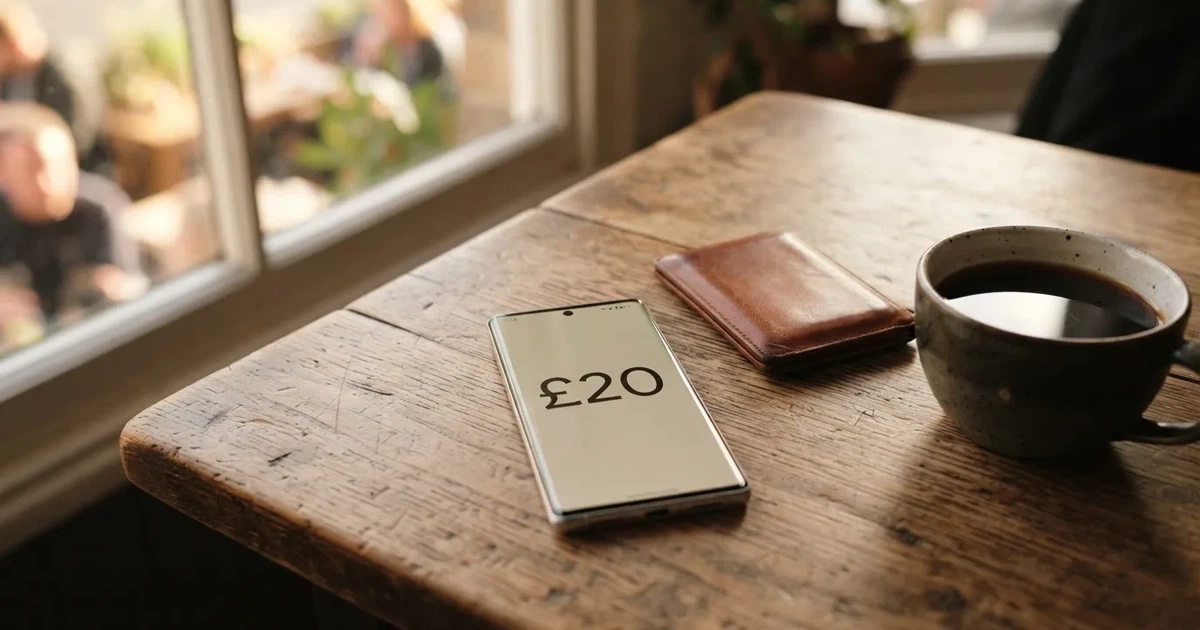
PayPal sits in an odd place in British betting. The brand is on almost every cashier page, the wallet has been part of the mainstream since before the smartphone era, and yet the experience of paying with it varies sharply from one bookmaker to the next. One site demands a twenty-pound minimum when every other method takes five. Another pays withdrawals back inside an hour. A third blocks the welcome offer the moment a punter funds with PayPal instead of a debit card. None of that is obvious from the marketing, and most of it only matters once real money is on the move.
This page reads through the six GB-licensed bookmakers the Gambling Commission currently lists for remote general betting that accept PayPal on their cashier, then walks the wider ground the wallet sits on: how PayPal itself works in the betting world, why identity is verified before the first deposit, what the bonus cap that landed in January 2026 does to a free bet, and where a punter checks a licence without taking the operator’s word for it. The angle is consequence — what each choice costs in pounds, hours and conditions — because the difference between a useful PayPal bookmaker and a frustrating one is rarely the wallet. It is the rules wrapped around it.
Crypto, Anonymity and PayPal: Where the Wallet Actually Sits
The cluster of search terms that pulls people toward this page carries a quiet assumption — that PayPal is some kind of halfway house between a debit card and a crypto wallet, anonymous enough to keep gambling off the bank statement, traceable enough to feel safer than Bitcoin. The reality on a British licensed site is the opposite of that assumption, and the gap between the search and the truth is worth measuring before anything else.

PayPal in Great Britain is a regulated payment service, not a privacy tool. It is run under a Luxembourg banking licence PayPal has held since 2008, and that licence is the legal basis for the wallet’s UK-facing operations. The wallet keeps records of every transaction, files them with anti-money-laundering authorities where the law requires it, and shares data with operators and regulators on request. A punter moving money into a betting account through PayPal is not anonymous to anyone who matters; the only people who do not see the transaction are the bank that issued the debit card, because PayPal sits in front of it. That single feature — breaking the bank statement — is what most searchers are actually after, and it is what the wallet delivers. It is not anonymity, and the search term that calls it anonymous is using a word the product does not support.
The other half of that cluster is crypto. A licensed British bookmaker cannot offer PayPal as a front for a crypto deposit, and the search for “PayPal crypto betting sites” describes a category that does not exist in the regulated market. Crypto betting in Great Britain runs on a small set of specialist operators, most of them licensed elsewhere, and PayPal is not a step on that path. For the punter who wants PayPal and the punter who wants crypto, the wallets sit at different ends of the cashier. They are not alternatives to each other. A licensed site offering one is generally not offering the other, and the two searches, when run together, return a thinner result than either on its own.
What the search terms *do* point to, once stripped of the privacy assumption, is a real and reasonable preference. Many bettors do not want gambling transactions showing on a primary bank statement — for joint accounts, for shared cards, for the small monthly noise of a hobby. PayPal is a clean answer to that. The punter who reads on will see how the licensed British market handles that preference, and where the rules force a record to be kept whatever the wallet.
Bonuses and Free Bets on PayPal Deposits: The Trap Under the Headline
Marketing writes about free bets in caps and percentages. The actual cost of a bonus is in the small print, and the small print changed meaningfully on 19 January 2026. The promotion rules in force from that date cap wagering requirements on bonuses at ten times the bonus amount, and they ban mixed-product promotions outright. A bookmaker can no longer advertise “bet on football to get free spins” as a single package. The shape of what is on offer to a PayPal-funded account is shaped by that ceiling, even when the punter never reads the rule.

The first place a bonus meets a PayPal account is the qualifying deposit. Some offers are deposit-gated: the punter must deposit and bet a minimum amount, often in a specific currency, before any bonus is released. PayPal is treated as cash for this purpose by every operator in this comparison, so the deposit clears the gate normally. The second meeting is in the wagering requirement — the volume of bets the bonus must be turned over before winnings become withdrawable. Under the January cap, no licensed operator can require more than ten times the bonus amount in qualifying bets. A £20 bonus now turns over at no more than £200 of qualifying stakes. Before the cap, four or five times that figure was common. The cap shrinks the gap between a generous and a punitive offer, which is good for the punter; it also means operators who previously hid stingy terms behind long rollovers have less room to do so, and the new terms tend to be smaller in headline value.
The second place a bonus meets a PayPal account is in the list of qualifying payment methods. Most bookmakers credit a free bet to a PayPal-funded account the same way they would to a debit-card-funded one. A few restrict welcome offers to specific deposit types — debit card, bank transfer, sometimes Apple Pay — and a PayPal deposit sits outside the qualifying list. Where that is the case, the bonus headline still appears on the landing page, but the punter who funds the qualifying stake with PayPal sees no free bet credited at the end. The lesson is unromantic: the bonus terms section names the qualifying methods, and the punter reads it before depositing. Where a bookmaker does not restrict, the bonus is unaffected by the choice of wallet. Where a bookmaker does restrict, the bonus is effectively a debit-card offer with a marketing page aimed at a wider audience.
Free bets themselves sit in a different place from cash bonuses. A free bet, the stake-not-returned kind, is a token with a value and a price, and the value depends entirely on the price the punter takes it at. A £10 free bet used at odds of 1.50 returns £15 in winnings — the stake is not paid back. Used at odds of 5.00, the same token returns £50. A bookmaker that offers £50 in free bets has not given the punter £50 of value; it has given the punter a set of tokens whose worth depends on the prices the punter finds. The rule of thumb used by serious bettors is that a free-bet token is worth roughly its face value multiplied by the true probability of the price taken, and the book’s marketing never publishes that figure. The punter who wants to compare free bet offers converts each to that expected value and then looks at the qualifying conditions: minimum odds for using the free bet, expiry window, which markets the free bet is valid on. That is the comparison the headline hides.
Cashback and “bet and get” offers sit in yet another place. A cashback offer refunds a losing stake as cash, a free bet, or site credit; the punter’s expected value depends on the cashback rate, the cap, and the markets eligible. A bet-and-get offers a free bet in exchange for a qualifying stake and is best read as a discounted token: the punter pays a real-money stake to receive a free-bet token, and the offer is worth whatever the token is worth minus the qualifying stake’s expected loss to the margin. The shape of these offers, the cap on free-bet winnings, and the deadline by which a free bet expires are all terms the punter reads in full. The free-bet winnings cap is a particularly sharp one: a bookmaker that pays free-bet returns only up to a stated ceiling has, in effect, restricted the prices the free bet is useful at. The punter who ignores that cap places the token at a long price, wins, and finds the winnings trimmed.
The January cap made the market more honest. It did not make it generous. A punter who sees a “100% bonus” on a landing page is still looking at a headline that has been engineered to look like free money; the page underneath it is a list of conditions, and the conditions are the offer.
The PayPal Cashier in Practice: Deposits, Withdrawals and What the Bookie Does
The everyday reality of betting with PayPal is the cashier, and the cashier is where bookmakers quietly diverge. Three numbers matter: the minimum deposit, the minimum withdrawal, and the time between a withdrawal request and the money landing back in the wallet. A fourth number — the fee, if any — sits in the same line. None of these is a marketing point, all of them are facts the punter wants before funding.
The minimum deposit is the simplest. Most British bookmakers set a £5 minimum for debit card and Apple Pay, with PayPal usually either at the same level or a step higher. DAZN Bet’s published minimums are £5 for debit card, Apple Pay, Paysafecard, Trustly and Skrill, and £20 for PayPal — a step that matters more than it looks, because the smaller stakes the punter likes to test a new account with will not even clear the cashier. Other bookmakers in this comparison hold PayPal at the same £5 minimum as the card. The pattern across the licensed market is a PayPal minimum that runs from £5 to £20, with the £5 number more common and the £20 number used by operators that treat PayPal as a higher-trust rail.
The minimum withdrawal is the same number read in reverse. A punter who deposited £20 cannot withdraw £5 — the bookmaker’s minimum withdrawal is whatever the cashier states, usually £5 or £10, and below that the cashier holds the request. That is the same minimum as a debit card withdrawal, because PayPal does not impose its own minimum on incoming transfers. Where bookmakers do diverge is in how the withdrawal is processed: most PayPal withdrawals clear within twenty-four hours, and a fair number clear in under an hour during business hours. The punter who has bet with three bookmakers can find that one pays back the same day, another takes forty-eight hours, and a third takes three to five working days. None of this is signposted in the bonus headline.
The fee is usually nothing, on both sides. PayPal does not charge a fee to send or receive a personal payment in sterling from a UK bank, and a betting deposit is, in accounting terms, the same shape of transaction. Where a fee does appear, it is either from the bookmaker (rare, and usually named in the deposit confirmation) or from PayPal’s currency conversion when a non-sterling wallet is used. A punter whose PayPal account is denominated in dollars and who bets on a sterling bookmaker pays PayPal’s conversion margin on the way in, and again on the way out. That is a real cost, and it is the kind of cost a debit card or bank transfer does not impose.
The fourth thing a PayPal cashier does is hold the punter’s account at the wallet, not at the bank. A bookmaker that takes PayPal knows the punter is the same person who sent the deposit — PayPal’s identity check and the bookmaker’s own verification together confirm that — and the bookmaker will, on a withdrawal, refund to the same PayPal account that funded. That is a real protection. The bookmaker is not, in general, allowed to send winnings to a different wallet or to a bank account the punter has not already verified. A punter who wants to move winnings to a partner’s PayPal cannot, and that is the right outcome: it keeps the winnings with the person who placed the bet.
The slot where PayPal is the most useful is the in-and-out of small, frequent staking. A punter who places a £5 bet, wins, withdraws, and places another £5 bet is moving £10 a week, and that punter feels the cost of a slow withdrawal more than the cost of a margin. PayPal is the right wallet for that punter on a fast-paying bookmaker, and the wrong wallet on a slow one. The right answer is not a single bookmaker; it is a pairing — a fast-paying cashier with a £5 PayPal minimum on the deposit, and a tight betting selection so the margin does not eat the punter’s edge.
The wider frame, sitting behind the cashier, is the same for every British-licensed bookmaker. The credit-card ban that has been in force since 14 April 2020 stops a punter topping up with a credit card directly or via an e-wallet funded by a credit card. Identity is verified before the first deposit — name, address, date of birth, and a document check. There is no anonymous play at a licensed site. The wallet on top of the deposit is the only layer of separation from the bank statement. The wallet is also a record in its own right, which the punter who wants privacy from the bank accepts and the punter who wants privacy from the authorities does not get. That trade-off is the actual shape of PayPal as a betting method, and the rest of this page is a comparison of how six bookmakers handle it.
The Six Compared: DAZN Bet, Star Sports, bet365, Bet Ahoy, NetBet, LiveScore Bet
Six bookmakers. Each holds a Gambling Commission remote licence, each lists PayPal on the cashier, and each is run by a different operating company on different terms. The order below is the order in which they are reviewed, not a ranking. Two of the six are household names. The other four are smaller, sharper, and in some cases better suited to the punter who uses PayPal as the primary rail.
The table that follows sets them side by side on the two facts the comparison cannot be made without: the licence that authorises them to take a bet from a customer in Great Britain, and the position the operator’s own published terms take on PayPal. The licence is the test of legality; the position on PayPal is the test of fit.
| Brand | Gambling Commission remote licence and licence holder | What the operator’s own terms say about PayPal |
|---|---|---|
| DAZN Bet | Account 048756, held by DZBT Limited | Deposits from £20 by PayPal, from £5 by debit card, Apple Pay, Paysafecard, Trustly and Skrill; no processing fees on the cashier |
| Star Sports | Account 009177, held by Star Racing Limited | PayPal listed among deposit methods on the GB app; app available in the UK and Ireland with deposit limits, Play Break and self-exclusion in My Account |
| bet365 | Account 055148, held by Hillside (UK Sports) ENC | PayPal sits alongside debit card and Apple Pay as a funding method on the GB app, which also supports Face ID login on supported devices |
| Bet Ahoy | Account 100094, held by Bet Ahoy Ltd | GB app lists a 10% Acca Bonus up to £1,000, Sub-Cover, Best Odds Guaranteed on UK and Irish racing and Double Result payout; PayPal accepted on the cashier |
| NetBet | Account 039170, held by Netbet Enterprises Limited | GB app supports Instant Payments to bank, Apple Pay, PayPal and debit card, with Face ID or Touch ID login |
| LiveScore Bet | Account 056859, held by LiveScore Betting and Gaming (Gibraltar) Limited | Cashier takes Visa, Mastercard, Apple Pay, PayPal, Pay by Bank (Open Banking) and Revolut Pay |
The licences above are not a recommendation and not a mark of quality — they are the floor. Every bookmaker in the comparison meets the floor, and the differences that follow are about how each one handles the rest of the experience.
DAZN Bet
DAZN Bet is the sportsbook arm of the DAZN streaming brand, and it shows in the betting product: the in-play offering leans into the events DAZN already shows, and the cashier is built for punters who already have a DAZN account. The PayPal minimum at £20 is the highest in this comparison, and it is the single most important fact about the cashier for a punter who stakes in tens rather than hundreds. A punter who wants to test the bookmaker with a £5 first bet cannot do it through PayPal; the debit card, Apple Pay, Paysafecard, Trustly or Skrill rails clear at £5 instead. The fact does not mean DAZN Bet is a worse bookmaker; it means the punter who wants to use PayPal for small stakes is on the wrong rail, and the punter who is happy to fund with a debit card and treat PayPal as the withdrawal rail is on a normal one.
The licensed entity is DZBT Limited, holding Commission account 048756 for remote general betting on real events. The licence is current on the public register. There is no published fee on deposits. The wider DAZN ecosystem, including the streaming subscription, sits behind a separate account, and the betting product is its own thing. For a punter who already has a DAZN subscription and wants the same wallet on the betting side, DAZN Bet is the path of least friction. For a punter who does not, the £20 PayPal minimum is the friction that decides it.
The verdict: a sound licensed bookmaker with a high PayPal minimum that sits out of reach for smaller stakes. It serves the dedicated player well, but the £20 threshold makes it a poor fit for those used to standard £5 minimums.
Star Sports
Star Sports is an old British bookmaking name that survived the consolidation of the high street by keeping its on-course business and adding a remote product. The GB app is published through the same Star Racing Limited company that holds the Commission licence, under account 009177 for remote general betting. The app is available in the UK and Ireland, which is a useful tell: an operator that runs a single GB-and-Ireland app is one that has consolidated its product rather than running a UK version and a separate Irish one, and the consolidation tends to show in the cashier as fewer odd payment methods.
The safer-gambling tooling is in My Account: deposit limits, a Play Break facility and self-exclusion. A Play Break is a shorter self-exclusion than the GAMSTOP six-month minimum, useful for a punter who wants a few days off without going through the national register. The punter who values that level of in-app control — and who wants the comfort of a British bookmaking name behind the licence — finds it here. The punter who wants the broadest payment choice on the cashier does not. PayPal is listed, but the published payment-method spread is narrower than the larger operators’ because Star Sports keeps to the rails it has used for years.
The verdict: a licensed, conservative bookmaker with robust safer-gambling tools. It suits those preferring a traditional British high-street brand over the wide, diverse cashier of the newer specialists.
bet365
bet365 is the largest of the six by some distance, and the licensed entity is Hillside (UK Sports) ENC, holding Commission account 055148. The GB app supports Face ID login on devices that offer it, and the cashier takes PayPal alongside debit card and Apple Pay. None of that is unusual for a major bookmaker; what is unusual is the depth of product underneath, with in-play markets, Bet Builder, live streaming on events the operator holds rights to, and an acca offering built for the punter who places four or five folds in a weekend.
The PayPal position is a typical one for a large operator: standard minimum, no fee, withdrawals processed at the same priority as debit card withdrawals, and the same minimum stake on the betting side. The punter who uses bet365 with PayPal is using a wallet that the operator has processed many millions of times, and the cashier experience is one that has had the rough edges worn off. The risk in a large bookmaker is not the cashier; it is that the punter’s account sits in a system that the operator monitors carefully for bonus abuse, multi-accounting, and the small-print violations that get accounts restricted. The punter who plays straight does not see this. The punter who arbs does.
The verdict: the most complete product in the comparison, with a seamless PayPal integration. It is the natural choice for the serious bettor requiring deep markets and a polished app, rather than the casual player looking for a simple accumulator.
Bet Ahoy
Bet Ahoy is the newer name in the comparison, held by Bet Ahoy Ltd under Commission account 100094. The GB app is the operator’s main product, and the welcome-side features are the things it leads on: a 10% Acca Bonus up to £1,000, Sub-Cover for player substitutions, Best Odds Guaranteed on UK and Irish horse and greyhound racing up to £100, and Double Result payout on UK and Irish racing. The Sub-Cover feature is the most interesting — a substitution during a football match is a routine event, and a refund or adjustment on a substituted player is a feature the larger operators do not generally offer.
The PayPal position is what the GB app lists, and the standard British bookmaker’s terms apply: PayPal is a deposit and withdrawal method, the minimum is the same as the rest of the cashier, and withdrawals are processed at the same priority as any other. The acca bonus is the centrepiece of the welcome offer, and the punter who wants acca insurance-style features on a fresh bookmaker is the one Bet Ahoy is built for. The punter who wants a deep in-play product, live streaming, and the wider bet builder coverage that the larger operators offer is on the wrong site.
The verdict: a sharp newer bookmaker built around acca features, with a clean PayPal rail. Worth it for the punter who bets football accumulators and wants a substitute-friendly product; thin pickings for the punter who wants market depth.
NetBet
NetBet is a long-running European brand whose GB arm is run by Netbet Enterprises Limited under Commission account 039170. The GB app is the betting product, and the published payment spread is wider than the smaller operators’ — Instant Payments to bank, Apple Pay, PayPal and debit card, with Face ID or Touch ID login on supported devices. The Instant Payments to bank rail is the most useful line for a punter who wants fast withdrawals without PayPal; the PayPal rail sits alongside it as the wallet option for the punter who prefers a wallet.
The bookmaker’s broader product is a familiar shape: pre-match and in-play markets, a bet builder, and the casino underneath the sportsbook. The PayPal position is standard. The punter who wants a mid-sized licensed bookmaker with a clean app and a familiar payment set finds it here. The punter who wants the depth of bet365 or the acca focus of Bet Ahoy does not.
The verdict: a solid mid-sized bookmaker with an unusually wide payment set, including instant bank withdrawals. Worth it for the punter who wants PayPal as one option among several and is happy to mix rails.
LiveScore Bet
LiveScore Bet is the betting arm of the LiveScore scores-and-stats product, run by LiveScore Betting and Gaming (Gibraltar) Limited under Commission account 056859. The cashier is the most payment-method-heavy in the comparison: Visa, Mastercard, Apple Pay, PayPal, Pay by Bank (Open Banking) and Revolut Pay. The Revolut Pay rail is a tell — a payment method that targets the punter who uses Revolut as their primary account, and which most larger bookmakers do not yet list.
The wider product is what the LiveScore name implies: in-play markets with a strong football base, live scores integrated into the betting product, and a market depth that sits between Star Sports and bet365. The PayPal position is standard. The punter who wants the widest possible choice of payment method, with PayPal as one of six, finds it here. The punter who wants acca features finds a thinner offering than Bet Ahoy; the punter who wants in-play depth finds a shallower one than bet365.
The verdict: a clean, well-staffed bookmaker with the broadest payment set in the comparison. Worth it for the punter who wants choice at the cashier and a LiveScore-led live experience; not the right rail for the punter who is hunting a specific feature.
PayPal and the British Licensing Frame
A British bookmaker accepting PayPal is, in the first instance, a Payment Services business that also happens to be licensed to take bets. The frame that ties those two things together is the Gambling Act 2005, the Commission’s Licence Conditions and Codes of Practice, and the LCCP’s social responsibility code. None of that is on the punter’s screen when the deposit clears, and most of the time the punter does not need it. The moments when the punter does need it are the moments this section is for.
A bookmaker serving customers in Great Britain needs a Commission licence wherever it is based. Since the Gambling (Licensing and Advertising) Act 2014, the licence is required at the point of consumption — a Curaçao, Maltese or Gibraltar licence is not a substitute, and an operator’s status as a long-established European brand does not, on its own, authorise it to take a bet from a customer in Birmingham, Edinburgh or Cardiff. The Commission’s public register is the test. The register can be searched by business name, trading name, domain or account number, and a match is the only thing that proves a licence is held. A bookmaker that cannot be found on the register is not licensed for Great Britain, and the punter who funds an account on that bookmaker has none of the protections that follow from a licence.
The minimum age is 18. The Commission requires operators to verify name, address and date of birth before the customer can deposit or gamble — the requirement has been in force since 7 May 2019, and it covers free bets and bonuses, not just cash deposits. A bookmaker that takes a deposit before verification is in breach of its licence, and a punter who finds a bookmaker that does so is on a site that is not, in this respect, complying with the rules. There is no anonymous play on a GB-licensed site; the same person who sends the PayPal payment is the same person who has been verified against a document, and the same person who will receive the winnings.
GAMSTOP is the multi-operator online self-exclusion scheme, mandatory for online operators since 31 March 2020. A punter who has registered with GAMSTOP cannot deposit or bet at any participating site, including the six in this comparison. The exclusion periods are six months, one year, five years, or five years with auto-renewal, and the exclusion continues for a further seven years after the minimum period unless the punter asks GAMSTOP to remove it. The scheme covers online sites and apps. Betting shops use a separate service. A punter who wants to use a Play Break — a shorter self-exclusion — finds that on the bookmaker’s own safer-gambling page, not on GAMSTOP. The two are layered, not alternatives.
A financial vulnerability check applies to licensed remote betting when a customer’s deposits minus withdrawals exceed £150 in a rolling 30 days — in force since 28 February 2025. The check is a public-record check (bankruptcy, county court judgments), not an income check and not a credit reference check, and it sits in front of the financial risk assessments that the Commission has announced in a staged plan. The risk assessments, sometimes called affordability checks in the press, are announced, staged, and have no start date; a punter who reads about them in the news should know they are not yet in force. The deposit limit that sits in the Remote Technical Standards is a different rule: operators must offer a gross deposit limit on a fixed time frame, and the first changes have been applied since 31 October 2025. A second phase was postponed to 30 September 2026, and whether it is live is not established at the time of writing. None of this is a state-set deposit ceiling: limits are the customer’s choice, the rule is that the choice must be on offer.
Advertising and bonuses are shaped by the CAP Code for non-broadcast marketing and the BCAP Code for broadcast, enforced by the ASA, and by the LCCP’s marketing conditions. Since 19 January 2026, wagering requirements on bonuses are capped at ten times the bonus amount and mixed-product promotions are banned. The punter who sees a “100% bonus” headline reads the small print for the rollover figure, and the cap is the ceiling: no licensed operator can ask for more than £10 of qualifying bets per £1 of bonus. Free bets with no wagering condition are a different question — the cap’s application to them is not established. The cap on the money value of a bonus is also not established. The punter who wants to know whether a particular offer is on the right side of the rule reads the terms or asks the operator.
The player pays no tax on betting winnings in Great Britain. General Betting Duty is the operator’s tax on gross profits, currently 15%, and a new remote rate of 25% applies from 1 April 2027 within it; the player does not pay it. Until that date the remote rate stays at 15%, and whether operators pass the duty on through odds is not established — a punter who reads shorter prices on remote sites than on the high street is reading the market, not the tax. The Commission’s statutory levy is a separate charge to the operator and is not visible to the punter.
The credit-card ban that has been in force since 14 April 2020 stops a punter topping up with a credit card directly or via an e-wallet funded by a credit card. Debit cards and bank-based payments are not covered. A punter whose PayPal account is funded by a credit card cannot, in turn, fund a betting account at a GB-licensed site. The ban is at the level of the funding source, and PayPal enforces it on the way in.
Offshore bookmakers — those licensed only in Curaçao, Malta, Gibraltar or Anjouan, and not holding a Commission licence for the remote product — are not legal to operate in Great Britain. The punter who uses one loses the protections of a licensed site: no GAMSTOP coverage, no Commission complaints route, no approved dispute-resolution body, no British consumer redress if funds are withheld, and not bound by the 10x bonus cap or the £150 vulnerability check. The customer is not, in the terms of the Gambling Act 2005, committing an offence by placing a bet. The operator is, in the terms of section 33, committing an offence by offering the bet. The honest framing is that licensed play means checks, limits, GAMSTOP and a bonus cap, but also verification before the first bet, and unlicensed play means none of the protections and a real risk of loss. Neither is “the safe choice” by default; they are the two ends of a trade.
The punter who wants to check a licence does it on the Commission’s public register, and the punter who wants the check to be quick does it by account number. The six operators in this comparison are listed with their account numbers in the table above. A punter who types the number into the register and sees a match has done the test that matters.
Safer Gambling and the Real Cost of the Wallet
The safer-gambling tooling on a licensed site is the same for every punter and the same regardless of payment method, and it is the part of the product that the punter is best placed to set up before the first bet. The GAMSTOP registration is the foundation: a punter who wants to stop betting across the whole licensed market registers once, and the exclusion is enforced on every participating site for the period chosen. The punter who wants a shorter break uses the bookmaker’s own Play Break or a similar feature, layered on top.
A deposit limit is a different tool. The punter sets a gross deposit limit on a fixed time frame — daily, weekly or monthly — and the cashier enforces it. The bookmaker cannot raise the limit without a cooling-off period; the punter can lower it at any time. A financial vulnerability check sits at £150 of net deposits in a rolling 30 days, and the punter who wants to stay below that line sets a deposit limit below it. A punter who is above the line and has been asked for a public-record check should not be surprised: the rule is the same for everyone, and the check is not a credit reference check.
The help available outside the bookmaker is independent of the operator. GamCare runs the National Gambling Helpline, with phone and live-chat support and a network of counsellors across Great Britain. GambleAware funds research, treatment and public education, and its website lists the regional services that take referrals. The NHS runs gambling clinics in several cities, with face-to-face and online support. Gamblers Anonymous runs peer-support meetings in the same format as its other programmes. The punter who needs help does not need to go through the bookmaker to get it, and the bookmaker’s safer-gambling page links to all of the above as a matter of licence condition.
The cost of PayPal as a betting method, set against the wallet alternatives, is a real cost in three places. The first is the conversion margin when the wallet is not denominated in sterling. The second is the minimum deposit and minimum withdrawal at bookmakers that hold a higher PayPal floor. The third is the withdrawal speed at bookmakers that process PayPal withdrawals more slowly than debit card or bank transfer withdrawals — most do not, but a few do, and the punter who has bet at three bookmakers can find one in three is the slow one. None of these is a reason to avoid the wallet. They are the reason to read the cashier before funding.
The real cost of a PayPal account, for the punter who is honest about it, is the convenience tax: a small percentage lost in conversion, a slightly higher minimum at a few bookmakers, a slightly slower withdrawal at a few more. The convenience the wallet buys is the separation of the betting activity from the primary bank statement, and the speed of a familiar interface. The punter who values the convenience pays the tax; the punter who does not uses a debit card or a bank transfer and pays nothing. The choice is the punter’s, and the comparison above is the data the choice rests on.
How the Six Land for Different Punters
The six bookmakers do not all suit the same punter, and a single ranking misses that. The punter who wants the broadest cashier, the cleanest experience, and is happy with a mid-sized bookmaker, finds it in LiveScore Bet. The punter who wants acca features, substitute-friendly football, and a sharper product on a smaller bookmaker, finds it in Bet Ahoy. The punter who wants the deepest in-play product, the broadest market coverage, and the largest licensed bookmaker in the comparison, finds it in bet365. The punter who wants the British high-street name and strong safer-gambling tooling, finds it in Star Sports. The punter who wants instant bank withdrawals alongside PayPal and a wider payment set, finds it in NetBet. The punter who wants the DAZN streaming integration and is happy with a £20 PayPal minimum, finds it in DAZN Bet. None of those is the right bookmaker for every punter, and the right one for any given punter is the one whose product matches the punter’s staking pattern.
The wider pattern across the comparison is the one the British licensed market has settled on. Every bookmaker in the comparison takes PayPal. Every bookmaker is GAMSTOP-registered. Every bookmaker verifies before the first deposit. Every bookmaker publishes a safer-gambling page. None of them takes credit cards. The differences between them are in the product, the cashier minimums, the welcome offer, and the speed of the withdrawal, and those are the differences the punter reads about before funding. The frame is the same. The experience inside the frame is what varies.
Frequently Asked Questions
Can you bet against paypal?
Bet Against on a betting exchange means laying a selection — backing it to lose — and exchanges run on a separate licence category, the betting intermediary licence. PayPal is not the relevant question there. The relevant question is whether the exchange accepts the wallet at all, and the answer varies: some exchanges take PayPal, others do not, and the punter reads the cashier on the exchange’s own terms. The bookmakers in this comparison are fixed-odds and spread-licence, not exchange operators, and Bet Against is not a market they offer.
Can you lose on paypal betting?
Yes. PayPal is a payment method, not a way of changing the odds. The punter who bets with PayPal funds the account the same way as with a debit card, places the bet at the bookmaker’s price, and either wins or loses on the outcome. The wallet does not hedge the bet, and it does not insure it. A punter who wants a layer of protection bets smaller, uses a deposit limit, and reads the safer-gambling tooling before the first bet. The wallet is the rail, not the bet.
Can you use paypal in betting shops?
No. PayPal is an online wallet, and the betting shops that take cash and debit cards do not take PayPal at the counter. Some shops have self-service betting terminals that take card payments, and some accept payments through apps linked to an online account, but the wallet itself is not a high-street payment rail. The punter who wants to bet on the high street uses cash or a card; the punter who wants to bet online uses PayPal, a card, or a bank transfer.
Which payment methods do GB-licensed bookmakers accept, and are credit cards allowed?
GB-licensed bookmakers take debit cards, bank transfers, Apple Pay, Google Pay and a range of e-wallets, and PayPal sits in that set. Credit cards are banned for gambling in Great Britain, in force since 14 April 2020, and the ban covers credit-card-funded payments through an e-wallet as well as direct credit card top-ups. The punter who funds a PayPal account with a credit card cannot, in turn, fund a betting account at a GB-licensed site; the ban is at the funding source, and PayPal enforces it on the way in. There is no state list of permitted payment methods; what a bookmaker takes is set by its own terms and its own banking arrangements.
From what age can bets be placed in Great Britain, and when is identity verified?
Bets can be placed from 18, and identity is verified before the first deposit or the first bet — name, address and date of birth, with a document check — under Commission rules in force since 7 May 2019. The check applies to free bets and bonuses as well as cash deposits. There is no anonymous play at a licensed site. A bookmaker that takes a deposit before verification is in breach of its licence, and the punter who finds a bookmaker that does so is on a site that is not, in this respect, complying with the rules.
How can it be checked that a bookmaker holds a Gambling Commission licence?
The Commission’s public register is the test, and it can be searched by business name, trading name, domain or account number. The six bookmakers in this comparison are listed with their account numbers in the table above. A match on the register is the only thing that proves a licence is held. A bookmaker that cannot be found is not licensed for Great Britain, and the punter who funds an account on it loses the protections that follow from a licence: no GAMSTOP coverage, no Commission complaints route, no approved dispute-resolution body, no British consumer redress if funds are withheld, and not bound by the 10x bonus cap or the £150 vulnerability check.
Payments & apps – Free bets
Content created by the «Free bets» team
