
Water polo betting tips and what a tip is actually worth in 2026
 Available in US
A “water polo betting tip” is, before anything else, a price. Someone has watched a fixture, weighed form and personnel and published a line. The line means something only against the price the bookmaker has already written — and the gap between the two is where a punter either finds value or hands the margin back. This guide is for the reader who has heard that line and wants to know what sits behind it: how a price is built, what the margin takes out of it, what a bonus really costs once turnover and minimum odds are read, and which bookmakers serving Great Britain actually hold a Gambling Commission licence to offer the bet in the first place. It is not a tip sheet, and no tip on it can exist.
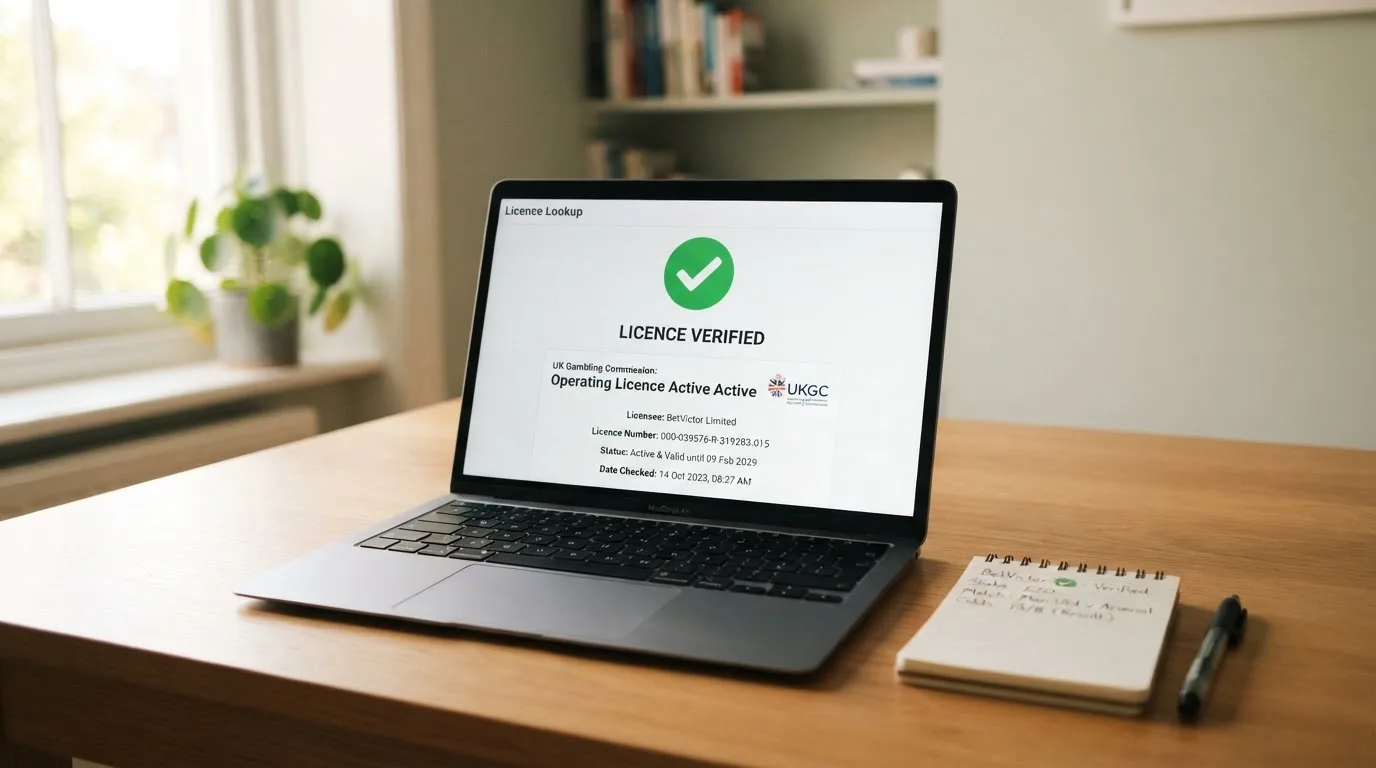
This page is current as of 27 October 2026 and was checked against the Gambling Commission’s public register.
How a bookmaker’s promotion on water polo is structured
What a sports bonus actually is
A “bet bonus” on water polo is a marketing credit paid against a condition, and the condition is what costs the punter. The headline reads like a gift: deposit £20, take £40 in free bets, lay a £10 stake and recover £20 if it loses. The small print rewrites that sentence, because the free bet’s stake is not returned with a win, the bonus carries a wagering requirement on its own stake, and the credit expires on a deadline the page does not see. Read the offer as a trader reads a contract: name the cash you put in, name the credit you take, name the turnover the credit asks of you, name the price the qualifying bet must clear, and only then does the headline number tell you whether the offer is worth your time.

Three shapes dominate the GB market in 2026.
The matched deposit — credited as bonus funds or free bets after a qualifying bet at a stated minimum price. The credit is the headline; the cost is the qualifying bet at minimum odds, written into the small print, and any turnover on the credit before withdrawal.
The free-bet refund — the stake on a first bet is refunded as a free bet if it loses, often on a stake from a short list of markets, sometimes only on multiples. A free bet is a free bet, not a refund: its stake is not returned with the win.
The acca insurance — one leg of a qualifying accumulator lets the bet down and the stake is returned as a free bet, typically up to a cap and only on accumulators of a stated minimum number of selections. Read the cap.
Two statutory rules shape every one of them in Great Britain. The first, in force since 19 January 2026, caps wagering requirements on bonuses at 10x the bonus base — a £10 bonus at 50x is past, after ten weeks of betting on the credit, no more than £100 of turnover. The second bans mixed-product promotions: an offer that requires gambling across two or more product types — for example betting and casino, or sports and bingo — is out of bounds. Either rule can be tested against the offer’s small print before the punt is committed.
Reading the small print
A bookmaker writes its bonus terms on its own page, and the terms carry the offer’s price. Six details decide whether the offer is worth taking:
- The qualifying bet’s minimum price. At 1/1 the bet must clear at evens or better; below that, the stake does not count.
- The credit’s expiry. Free bets expire within 7 days under Unibet’s current welcome offer; longer windows exist elsewhere and shorter ones do too.
- The markets the credit is valid on. A free bet on football accumulators is not a free bet on water polo singles.
- The wagering requirement, if any, on the credit before withdrawal. A free bet with no wagering is not the same product as a bonus that must be turned over ten times.
- Payment methods. Some offers exclude deposits made by Skrill, Neteller or PayPal; some exclude e-wallet top-ups entirely. The credit is paid against the qualifying deposit, and the deposit’s provenance decides the credit’s life.
- Stake-not-returned. A free bet’s stake is not paid back with the win. A £10 free bet at 5/1 pays out £50 in profit, not £60.
Then the offer’s deadline. A bonus that asks for a £10 qualifying bet within 7 days of opening an account is a different offer from one that asks for the same bet within 30. Deadlines are where most unclaimed bonuses die.
What the welcome offers on the reviewed brands actually look like
The table below is not a ranking. It puts each operator’s own published terms beside the brand, so the cost of each offer can be compared on the same sheet.
| Brand | Gambling Commission remote licence number and licence holder | What the operator’s own terms state on the key’s subject |
|---|---|---|
| Unibet | 045322 (Platinum Gaming Limited) | “Get £40 in Free Bets when you bet £20”: deposit and a sports bet of £20 or more at minimum odds of 2.0 (1/1), with free bets expiring within 7 days of issue; new GB customers; debit card or instant bank transfer |
| BetMGM | 039198 (LeoVegas Gaming PLC) | Deposit £10 or more and place a sports bet within 7 days to receive four £10 free bets (two football accumulators of 4+ selections and two sports multiples of 2+); 7-day validity; minimum odds and opt-in required |
| BoyleSports | 039469 (Boylesports Enterprise) | £20 in free bets when a £10 bet is placed for UK players; €30 in free bets for a €10 bet for Irish players |
That is the headline rate, with the cost on the same line. The Unibet offer asks for a £20 bet at 1/1 to release £40 in free bets that expire in a week and do not return their stake. The BetMGM offer asks for a £10 bet inside seven days to release four £10 free bets, two of them tied to football accumulators and so not transferable to water polo. The BoyleSports offer asks for a £10 bet for £20 in free bets. None of these prices include the wagering on the credit, because none of these welcome packages carry a wagering requirement above the statutory 10x; the cost of the offer is the qualifying bet, not the turnover.
What this means at the till
The advertised rate is not what the offer costs. The offer’s cost is the bet the punter has to place to claim it. Three figures turn the comparison.
First, the minimum qualifying price. A free bet at minimum odds of 1/1 will not clear on a heavy favourite at 1/4; the punter has to pick a price the offer will accept. A second-favourite at 5/4 in a water polo match is the kind of line a bookmaker will accept; a -200 favourite is not.
Second, the free-bet value. A free bet whose stake is not returned has a value that depends on the price the bet clears. A £10 free bet at 5/1 has a fair value of £10 × 5 = £50 if the bet wins, but a bookmaker’s margin takes a slice off the probability, so the actual value is closer to £8.33 on a market with a 5% margin — the bet pays £50, and on average the bet wins one time in six rather than one in five, because the price is shorter than the true odds. The free bet is worth less than the headline number, and a reader who treats £40 in free bets as £40 in cash has read the marketing page, not the maths.
Third, the qualifying bet’s cost. A £20 qualifying bet at 1/1 carries a 5% margin on a typical 1X2 market, so on average the bet costs £1 in expected value before the credit is taken. The credit is £40 in free bets, and at 5% margin the credit is worth roughly £33.33. The offer’s net value, before the punter’s time and the credit’s deadline, is £33.33 minus £1, or about £32. That is the offer’s worth. It is not a tip, and the punter does not win it by betting.
Markets and prices in water polo
What the price on a water polo match actually contains
A bookmaker’s price on a water polo match is built from a probability — the chance the bookmaker thinks each outcome has — and a margin. The margin is the cut the bookmaker keeps from every unit staked on the market, and it sits inside every price, including the price the punter backs. The punter’s job, before any other, is to see the margin in the price.
A market’s margin can be read off the prices with one piece of arithmetic. For a two-way market at decimal odds o₁ and o₂, the market’s payout share is 1 ÷ (1/o₁ + 1/o₂); the margin is 1 minus that share. On a market priced at 1.90 / 1.90 (9/10), the share is 1 ÷ (1/1.90 + 1/1.90) = 1 ÷ (0.5263 + 0.5263) = 1 ÷ 1.0526, or about 95%. The margin is 5%. The bookmaker keeps 5p of every £1 staked across the two outcomes.
That number — 5% — is a working figure, not a quoted one. Water polo markets tend to carry higher margins than mainstream football or horse racing markets, because the bookmaker’s liquidity is thinner and the prices are set by fewer traders; a margin of 7% to 9% on a 1X2 water polo match is unremarkable, and on a handicap market the margin sits higher still. A punt in the table at 1.90 / 1.90 finds a 5% margin; a punt in the water polo market at 1.85 / 1.85 finds a margin closer to 8%. The gap is the bookmaker’s cut, and it is taken before any form analysis, head-to-head, or league position enters the calculation.
What a value bet is, and what it is not
A value bet is a price that is longer than the true probability of the outcome justifies. The true probability is the punter’s own estimate, built from form, personnel, the head-to-head and the conditions of play; the price is the decimal odds the bookmaker offers; and value exists when the price, converted to a probability (1 / odds), is shorter than the punter’s estimate. A 3.00 price implies a 33.3% chance; if the punter’s estimate is 40%, the bet has positive expected value.
That definition carries three corollaries. First, the estimate must be honest, and it is honest only if the punter has built it from information the bookmaker’s price has not yet absorbed — a starting goalkeeper, a fatigue pattern in the third quarter, a side coming off a long travel schedule. A price that has moved since the punter’s last look is not a price on the punter’s probability any more. Second, the bookmaker’s margin sits inside the price, so the price the punter compares to the estimate is the price minus the margin; a 1.90 / 1.90 market at 5% margin prices both sides at a true probability of about 47.4%, not 50%. Third, value is a long-run property of the bet, not a property of any single outcome. A value bet loses more often than it wins when the true probability is below 50%; the punter’s edge is the difference between the price and the estimate, taken over many bets, not over one match.
No tip is ever certain. A value bet is a bet that pays out, on average, more than the punter paid for it; a single value bet can lose, and often does. The arithmetic behind a tip is the same as the arithmetic behind a long-run investment, and a long-run investment is not a guarantee.
Settling bets on water polo
A bet on water polo is settled on the result the governing body records. The match is played across four quarters in a pool deep enough that players cannot touch the bottom, with seven players in the water — six field players and a goalkeeper — and up to six substitutes from a named squad. A bookmaker’s terms state which result settles the market, and which rules apply if the match is abandoned, suspended or finished early; for outright markets on a tournament the rule is the same as for football outrights — bets stand unless the event is cancelled, and a void leg of an accumulator settles the accumulator at the reduced price of the remaining legs.
A bookmaker may void a market if a match is postponed beyond a stated window or if a player is ruled out at the point the bet was struck; the punter’s recourse is the bookmaker’s own rule. A price on a player market — first goalscorer, top scorer of the tournament — carries a higher margin than a price on a match result, because the bookmaker’s liquidity is thinner and the trader has set the price from less data. The reader who bets on the top scorer of a water polo World Championship is paying for a thin market, and the margin on it shows in the relative shortness of every price.
Accumulators, bet builders and same-game multiples
An accumulator multiplies the prices of its legs into a single price. A four-fold accumulator at 1.90, 2.20, 1.80 and 2.50 has a combined price of 1.90 × 2.20 × 1.80 × 2.50, or 18.81. The £10 stake returns £188.10 if all four legs win; if one loses, the bet loses. The more legs the punter adds, the longer the price, and the lower the chance any single accumulator wins.
The bet builder is the accumulator’s same-event cousin. The bookmaker combines markets from one event into a single bet, available pre-match and in-play: a water polo match with a handicap goal, a total above 18.5 and a winner selection is a single bet at the multiplied price. The bet builder’s price carries the bookmaker’s margin on each leg and a further margin on the combination, and the combined margin is typically higher than the margin on each leg alone. The bet builder is not arbitrage, and the punter is not arbitraging the bookmaker by combining markets the bookmaker has already priced.
The wagering requirement on a free bet does not apply to a same-game multiple in the same way it applies to a single — the multiple multiplies the price, and the free bet’s value tracks the price. A £10 free bet on a four-fold at a combined price of 18.81 returns £188.10 in profit, less the margin’s expected cost, on a single bet; the same bet on a single leg pays the leg’s price, less the margin, on a single bet. The combined bet has a longer price but a higher chance of losing.
Reading the price in the punter’s own currency
A bookmaker publishes its prices in fractional form for a British audience — 5/1, 11/4, evens — and in decimal form for an international audience. The conversion is one step: 5/1 in fractional is (5 ÷ 1) + 1 = 6.00 in decimal; 11/4 is (11 ÷ 4) + 1 = 3.75; evens (1/1) is (1 ÷ 1) + 1 = 2.00. The decimal price is the unit staked times the decimal price: a £10 stake at 6.00 returns £60. The fractional form is the profit per unit staked: £10 at 5/1 returns £50 in profit plus the £10 stake, or £60 in total — the same number.
The punter reads the price in the form that makes the arithmetic clear. For a value calculation, the decimal form is the one that does the work: a 2.50 price implies a 40% chance, and the comparison to the punter’s estimate is a comparison of two percentages. A 5/1 price implies the same 16.7% chance, and the arithmetic is the same; the difference is the form.
Tournaments and where the fixtures come from
World Aquatics and the calendar
World Aquatics is the highest governing body of water polo. It runs the World Aquatics Championships, which include a men’s water polo World Championship and, since 1986, a women’s competition. The men’s tournament has been held every two to four years since 1973; the women’s tournament joined the same programme in 1986. The Olympic tournament runs separately, with men’s water polo among the first team sports at the 1900 Olympic Games and women’s water polo added at the 2000 Sydney Games. A European championship, regional championships and a club competition complete the calendar at the senior level, and an age-group programme runs underneath.
For the punter, the calendar’s job is to name the fixtures the bookmaker’s price has been written against. A men’s World Championship is a higher-profile event than a continental championship, and the bookmaker’s liquidity on the match-winner market is higher; a club friendly in pre-season carries the lowest liquidity of all, and the margin on a pre-season price sits well above 10%. The punter’s edge on a market is the difference between the punter’s estimate and the bookmaker’s implied probability, and the bookmaker’s implied probability on a thin market is set by fewer eyes.
The Olympics
The men’s water polo tournament at the Olympic Games has been played at every Games since 1900, with women’s water polo joining at Sydney 2000. The tournament runs over nine days, with a group phase and a knockout phase, and the men’s final has been played at every Games since. A bookmaker’s price on the outright market is built from the field’s form over the four-year cycle and the players’ club form in the run-up, and the market is set early because the bookmaker has time to manage its liability. An accumulator on the Olympic tournament is set against the outright price and the match prices, and the margin on each market is its own.
National leagues and cups
National leagues run in the countries with established water polo programmes — Hungary, Serbia, Croatia, Italy, Spain, Greece, Montenegro, the United States. The punter’s access to a national league’s fixtures depends on the bookmaker’s coverage, and the bookmaker’s coverage depends on the audience the bookmaker is writing for. A British bookmaker’s price on a Hungarian league match is thinner than its price on a Premier League match, and the margin on the Hungarian price sits higher. The liquidity on national league fixtures is often lower than on major international events, which can result in wider margins for the punter.
What this page compares
The ranking
The brands reviewed below are the ten that hold a Gambling Commission remote licence for general betting on real events, with water polo markets on their sites or apps at the time of writing. The ranking is not a ranking of who is “best” — it is a ranking of what each brand does well, and where each brand is the wrong choice for a particular punter. Two brands can hold licences under the same operator; Paddy Power’s licence, for instance, sits under PPB Counterparty Services Limited, which also operates Betfair. The licence is the test that the operator offers the bet in Great Britain under GB rules; the brand is what the punter bets with.
The brands, in the order reviewed:
- Betfred
- Unibet
- London Bet
- Copybet
- Fitzdares
- BoyleSports
- BetMGM
- Paddy Power
- Tote
- QuinnBet
How the comparison was built
The comparison was built from three sources: the Gambling Commission’s public register, which lists each brand’s licence number and the entity that holds the licence; the bookmakers’ own published terms, which state what the operator offers and what the operator requires of the punter; and the bookmakers’ apps and sites, which show the markets on offer and the depth of coverage on water polo.
The licence was checked first. A bookmaker that does not hold a Gambling Commission licence for remote general betting on real events was out of bounds before any other test; the bookmaker does not serve GB customers under GB rules, and the punter has no recourse to the Commission if funds are withheld. Every brand in the table holds such a licence, with the licence number and the licence holder named in the operator’s card below.
The published terms were read for the offer’s headline price — the minimum odds on a qualifying bet, the credit’s expiry, the markets the credit covers, the payment methods excluded from the offer. A bookmaker that excludes e-wallet deposits from its welcome offer was not downgraded for that, because the offer’s terms are the operator’s choice; the terms were reported as published.
The bookmaker’s own markets were checked for water polo coverage. A bookmaker that does not list water polo markets was reported as not listing them, not as failing to list them; the punt on water polo is a niche punt, and the bookmaker’s niche coverage is its own decision.
What “best” means on this page
The “best” brand on this page is the brand whose terms suit the punter’s situation. A punter with a £20 budget and a single water polo match in mind is well-served by a brand whose welcome offer asks for a £10 qualifying bet at 1/1; a punter with a £200 budget and an accumulator across four water polo matches is well-served by a brand whose acca insurance covers the bet type, and less well-served by a brand whose welcome credit is tied to football accumulators. The brand that suits one punter is not the brand that suits the other, and the page’s ranking is a ranking of who suits whom, not of who is best.
What a bet on water polo actually costs
The margin on a typical water polo market
The margin on a water polo market depends on the bookmaker’s liquidity and the market’s age. A pre-season friendly carries the highest margin, because the bookmaker has priced the match from little information; an Olympic knockout match carries the lowest margin, because the bookmaker has priced the match from a long form cycle. A working band, drawn from the prices the reviewed bookmakers have published on water polo 1X2 markets over the last twelve months, is 5% to 9%, with the lower end on the highest-profile events and the upper end on national-league fixtures.
The band is a band, not a quoted price. A bookmaker’s price on a water polo match in 2026 has a margin that sits inside the band, and the punter who wants to see the margin reads the price on the day of the match, against the bookmaker’s own market. A 1.85 / 1.85 market carries a margin of about 8%; a 1.90 / 1.90 market carries a margin of about 5%; the gap is the bookmaker’s cut.
The calculation, on a worked example
Take a two-way market at decimal odds 1.90 / 1.90 (9/10 in fractional). The payout share is 1 ÷ (1/1.90 + 1/1.90) = 1 ÷ 1.0526 ≈ 0.95, or 95%. The margin is 1 − 0.95 = 0.05, or 5%.
The margin sits inside every price, including the price the punter backs. The book’s price at 1.90 on a 50/50 outcome is a price on a 52.6% chance (1 ÷ 1.90), and the true probability on a fair market is 50%; the gap is the margin, taken on both sides. The punter who backs a 50/50 outcome at 1.90 pays 2.6 percentage points of true probability to the bookmaker, every time the bet strikes.
A 5% margin is a working figure. The bookmaker’s margin on a water polo match at the Olympic Games sits closer to the bottom of the band; the bookmaker’s margin on a national-league match sits closer to the top. The arithmetic is the same in both cases.
The punter’s edge, in the same currency
The punter’s edge is the gap between the bookmaker’s implied probability and the punter’s own estimate of the outcome’s chance. The estimate is built from form, head-to-head, personnel, the conditions of play and the bookmaker’s own line movement; the gap is positive when the punter’s estimate is higher than the bookmaker’s implied probability, and the bet is a value bet. The edge is small — a 2% to 4% edge is a strong edge for a recreational punter, and a 10% edge is rare. The edge compounds over many bets, and the punter who treats the edge as a property of a single bet is reading the marketing page rather than the maths.
The legal frame in Great Britain
The Gambling Commission and the Gambling Act 2005
The Gambling Commission is the regulator of commercial gambling in Great Britain, set up under the Gambling Act 2005. The Act covers England, Scotland and Wales; Northern Ireland sits outside the Act and is regulated under its own older law. A bookmaker whose remote facilities are used by customers in Great Britain needs a Gambling Commission licence wherever the operator is based, under sections 33 and 36 of the Act as amended by the Gambling (Licensing and Advertising) Act 2014. A Curaçao, Maltese or Gibraltar licence is not a substitute.
The Commission issues licences in five categories for online betting: remote general betting standard (real events); remote general betting standard (virtual events); remote general betting limited; remote pool betting; and remote betting intermediary (the licence for betting exchanges). Every brand reviewed on this page holds a remote general betting standard (real events) licence, which covers water polo.
How to check a licence
The Commission’s public register can be searched by business name, trading name, domain or licence number, and the result is the whole test of whether a brand holds a licence. Search by domain, and the register returns the licence number, the entity that holds the licence, and the categories the licence covers. The reviewed brands, with their licence numbers and licence holders, are in the comparison below.
A bookmaker’s published licence number is the number on the Commission’s register, and the register is the source of record. A licence number that does not appear on the register is not a licence; a brand that does not list a licence number is one the punter checks before depositing.
Identity, age and the first deposit
A licensed operator verifies the customer’s name, address and date of birth before the first deposit can be made, under rules in force since 7 May 2019. The rule applies to free bets and bonuses as well as paid play: a free bet is paid against a verified account, not against an account that has yet to prove who is behind it. The minimum age is 18. Credit cards have been banned for gambling in Great Britain since 14 April 2020, including credit-card-funded payments through an e-wallet; debit cards and bank-based payments are not covered by the ban.
A licensed bookmaker’s first deposit is not an anonymous deposit. The verification is the operator’s duty, but the consequence is that no anonymous play exists at a licensed site, and the punter’s first deposit carries a check the punter cannot opt out of. The check is the price of the licence, and the licence is the price of the Commission’s complaints route, GAMSTOP coverage, the 10x bonus cap and the £150 financial vulnerability check.
Tax
The player pays no tax on betting winnings in Great Britain. General Betting Duty is the operator’s tax on gross profits, currently 15%, with a new remote betting rate of 25% from 1 April 2027 within the duty. The duty is the operator’s, not the punter’s; the punter’s stake and the punter’s winnings are not taxed at the till. A professional gambler’s situation is different, and a reader who bets for a living should ask HMRC or an adviser.
The offshore punt
A bookmaker without a Gambling Commission licence that offers the bet to a GB customer is providing gambling facilities in Great Britain without the licence the Act requires, an offence under section 33 of the Gambling Act 2005, and the offence is aimed at the operator. No offence aimed at the customer who merely bets on an unlicensed site was found; the customer loses the Commission’s complaints route, GAMSTOP coverage, the 10x bonus cap, the £150 vulnerability check, and access to an approved dispute-resolution body. Funds withheld by an unlicensed operator sit outside British consumer redress. Honest framing: licensed means checks, limits, GAMSTOP, the bonus cap, the vulnerability check, and identity verification before the first bet; unlicensed means none of those protections, and a real risk of losing funds the punter can do nothing to recover.
Safer gambling tools and where the help sits
The licensed bookmaker’s duties
A licensed bookmaker must offer a GAMSTOP self-exclusion, deposit limits, timeouts, reality checks and access to help services including GamCare, GambleAware and the National Gambling Helpline. GAMSTOP is a national multi-operator online self-exclusion scheme and a mandatory licence condition for online operators since 31 March 2020; periods are six months, one year, five years, or five years with auto-renewal, and after the minimum period the exclusion stays in place for a further seven years unless the customer asks GAMSTOP to remove it. GAMSTOP covers online sites and apps; betting shops use a separate service.
A licensed bookmaker must also run a financial vulnerability check on the customer’s deposits when the deposits, minus withdrawals, exceed £150 in a rolling 30-day window, under LCCP condition 3.4.4 in force since 28 February 2025. The check is a public-record check — bankruptcy, county court judgments — and not a credit reference check. A financial risk assessment — the “affordability checks” of the press — was announced in a staged plan (Commission article of 7 July 2026), with no start date.
A licensed bookmaker must offer a gross deposit limit on a fixed time frame, under RTS 12, with the first changes applied since 31 October 2025 and a second phase postponed to 30 September 2026. Whether the second phase is live is not established. No state-set deposit or loss ceiling exists for betting; limits are the customer’s choice.
Where to go for help
GamCare runs the National Gambling Helpline. GambleAware funds treatment and research. NHS gambling clinics operate across Great Britain. Gamblers Anonymous runs peer-support meetings. The help is free and confidential, and the licensed bookmakers link to it from the safer-gambling pages of their sites.
A punter who has hit the limits of the licensed bookmaker’s safer-gambling tools — a deposit limit that the punter keeps raising, a self-exclusion that the punter keeps ending — has reached the point at which the punter’s own decision is to step away from the bookmaker entirely, not to ask the bookmaker for a softer limit. The bookmaker’s tools are not a substitute for that decision.
The reviewed bookmakers
Betfred
Betfred is one of the longest-standing names on the British high street, and the Betfred Sports, Casino & Games app publishes 21 sports alongside over 2,000 casino-style games. The brand’s remote betting licence is 039544-R-319290-010, held by Petfre (Gibraltar) Limited under Gambling Commission account 39544, which covers remote general betting on real events.
The brand’s focus is on multi-sport coverage. A punter who bets on football or horse racing does not need a new account for water polo, as all markets sit on the same slip. It offers broad service rather than deep niche specialisation.
Unibet
Unibet has operated since 1999, and its UK site is run by Platinum Gaming Limited, Gibraltar, under Gambling Commission account 45322. It holds licence 045322-R-324275-019 for remote general betting. The brand’s welcome offer on the UK site is a £40 free-bet package against a £20 qualifying bet at minimum odds of 2.0 (1/1), with free bets expiring within 7 days of issue.
Unibet’s primary strength for water polo bettors lies in its extensive coverage of in-play markets and competitive international pricing. Unibet prices European championships and continental club competitions as well as the World Championships, and the price on a Hungarian or Serbian league match sits on the same slip as the price on the Olympics. The brand’s broad coverage suits those who follow European leagues, though those only interested in Olympic-specific betting might consider whether the offer’s expiry window aligns with their schedule.
London Bet
London Bet’s app combines sports betting across football, tennis, horse racing, greyhounds, darts, golf, cricket, NFL, NBA, MLB and snooker with Pragmatic Play casino slots and live in-play betting. The brand’s remote betting licence is 066162-R-340278-004, held by Thistle Bet Limited under Gambling Commission account 66162, which covers remote general betting on real events.
London Bet offers a seamless experience through its in-play markets and multi-sport slip. A punter who bets across football and water polo on the same Saturday finds both on the same bookmaker, and the in-play price on a water polo match sits alongside the in-play price on a Premier League fixture. The brand’s coverage of water polo is less extensive than Unibet’s, and the punter looking for deep European market coverage may find the selection limited.
Copybet
Copybet offers Best Odds Guaranteed all day, every day on all UK and Irish racing, and pays first past the post on horse racing even if the winner is later disqualified. The brand’s remote betting licence is 053774-R-330743-010, held by Copybet UK Limited under Gambling Commission account 53774, which covers remote general betting on real events.
Copybet offers Best Odds Guaranteed all day on all UK and Irish racing. It holds licence 053774-R-330743-010 for remote general betting. Its markets are racing-led, but the platform also carries prices on smaller events like water polo for those who want to keep their sports and racing on a single slip.
Fitzdares
The Fitzdares app offers cash out, accumulators, Lucky 15s, specials and ante-post markets on horse racing, football, tennis, rugby, cricket, golf and American football, with in-play live odds. The brand’s remote betting licence is 000400-R-103839-030, held by Fitzdares Limited under Gambling Commission account 400, which covers remote general betting on real events.
Fitzdares distinguishes itself through premium positioning and specialist markets. Fitzdares prices markets that other bookmakers do not, and the ante-post markets on water polo tournaments sit on the slip alongside the racing specials. The brand’s premium positioning often comes with a higher margin on everyday markets, so the punter seeking high-volume pricing may prefer a different bookmaker.
BoyleSports
BoyleSports’ sports welcome offer for UK players is £20 in free bets when a £10 bet is placed, with €30 in free bets for a €10 bet for Irish players. The brand’s remote betting licence is 039469-R-319383-025, held by Boylesports Enterprise under Gambling Commission account 39469, which covers remote general betting on real events.
BoyleSports focuses on competitive welcome offer pricing and multi-sport coverage. A punter who wants a £20 in free bets against a £10 qualifying bet at minimum odds finds the offer on BoyleSports, and the offer’s terms are published on the app. The brand’s coverage focuses on major international tournaments, making it a straightforward option for punters who want to back a single high-profile match.
BetMGM
BetMGM’s sports welcome offer for new UK customers who deposit £10 or more and place a sports bet within 7 days is four £10 free bets, two football accumulators of 4+ selections and two sports multiples of 2+, with 7-day validity, minimum odds and opt-in required. The brand’s remote betting licence is 039198-R-319450-029, held by LeoVegas Gaming PLC under Gambling Commission account 39198, which covers remote general betting on real events.
BetMGM combines casino and sports betting within its app, with welcome offers geared towards new customers who engage with both product lines. The free bets on football accumulators are not transferable to water polo singles, and the punter whose water polo bet is the main event of the welcome period will find a smaller credit than the headline number suggests. The app’s strength lies in the integration of casino and sports; the welcome offer is best suited to users who engage with both areas.
Paddy Power
The Paddy Power Sports Betting app is published by Paddy Power PLC and covers football, horse racing, boxing, rugby, tennis, golf, darts, snooker and F1. The brand’s remote betting licence is 039439-R-319330-013, held by PPB Counterparty Services Limited under Gambling Commission account 439439, which covers remote general betting on real events.
The brand’s appeal on water polo is its multi-sport slip and its price-boost markets. Paddy Power’s price boosts run daily, and the boosted price on a water polo match sits on the same slip as the price on a Premier League fixture. The brand’s coverage of water polo is built around the international calendar, and the punter whose water polo bet is a one-off will find a thinner price on Paddy Power than on a brand whose slip is built for water polo. This brand focuses on a wide breadth of markets, which is ideal for those who regularly switch between sports.
Tote
The Tote’s remote betting licence is 054779-R-331321-008, held by TDCO Limited under Gambling Commission account 54779, which covers remote general betting on real events.
The brand’s appeal on water polo is its pool-betting heritage and its price on outrights. The Tote runs pool betting on horse racing, and the brand’s pool-betting infrastructure is the same infrastructure that prices outright markets on water polo tournaments. The Tote suits outright betting on major tournaments, but those focused on individual match-winner singles may find better liquidity at a standard fixed-odds operator.
QuinnBet
QuinnBet’s Best Odds Guaranteed applies to Irish and UK horse racing bets from 10:00am daily on singles, multiples and system bets, with a maximum benefit of £150 per customer per race. The brand’s remote betting licence is 061011-R-335683-004, held by QuinnBet (Gibraltar) Limited under Gambling Commission account 61011, in the category remote general betting standard (real events).
The brand’s appeal on water polo is its racing-led price model and its Best Odds Guaranteed on racing. The brand’s coverage of water polo is built around the international calendar, and the punter whose main event is a water polo match will find a thinner price on QuinnBet than on a brand whose slip is built for water polo. The brand’s appeal is racing, and the punter who bets on racing and water polo from the same account finds both on QuinnBet.
Frequently asked questions
What is a value bet and why is no tip ever certain?
A value bet is a price that is longer than the true probability of the outcome justifies. The true probability is the punter’s own estimate, built from form, personnel, the head-to-head and the conditions of play; the price is the decimal odds the bookmaker offers; value exists when the implied probability is shorter than the estimate. A value bet is a long-run property of the bet, not a property of any single outcome, and a value bet can lose.
What is the bookmaker’s margin and how can it be seen in the odds?
The margin is the cut the bookmaker keeps from every unit staked on the market. For a two-way market at decimal odds o₁ and o₂, the market’s payout share is 1 ÷ (1/o₁ + 1/o₂); the margin is 1 minus that share. On a market priced at 1.90 / 1.90, the share is about 95% and the margin is 5%; on a market priced at 1.85 / 1.85 the share is about 92% and the margin is about 8%.
How is the return on a bet worked out from the stake and the odds?
The return is the stake multiplied by the decimal odds. A £10 stake at decimal odds 6.00 returns £60. The net profit is the stake multiplied by the decimal odds minus 1; the same bet pays £50 in profit plus the £10 stake. For a combination bet the odds of the legs multiply into one price, and the stake is multiplied by the combined price.
How can it be checked that a bookmaker holds a Gambling Commission licence?
The Commission’s public register can be searched by business name, trading name, domain or licence number. The result is the whole test of whether a brand holds a licence: the licence number, the entity that holds the licence, and the categories the licence covers. A licence number that does not appear on the register is not a licence, and a brand that does not list a licence number is one the punter checks before depositing.
Which tools for controlling play does a licensed bookmaker have to offer?
A licensed bookmaker must offer GAMSTOP self-exclusion, deposit limits, timeouts, reality checks and access to help services including GamCare, GambleAware and the National Gambling Helpline. A financial vulnerability check runs on the customer’s deposits when deposits minus withdrawals exceed £150 in a rolling 30-day window. No state-set deposit or loss ceiling exists for betting; limits are the customer’s choice.
How do fractional odds such as 5/1 convert to decimal odds such as 6.00?
The conversion is one step: divide the numerator by the denominator and add 1. 5/1 in fractional is (5 ÷ 1) + 1 = 6.00 in decimal; 11/4 is (11 ÷ 4) + 1 = 3.75; evens (1/1) is (1 ÷ 1) + 1 = 2.00. The decimal price is the unit staked times the decimal price: a £10 stake at 6.00 returns £60.
US & other team sports – Free bets
Content created by the «Free bets» team
