
Matched betting in Great Britain: a costing of the technique, the free bets and the operators behind them
 Available in US
Current as of 27 October 2026. Licence claims checked against the Gambling Commission’s public register.
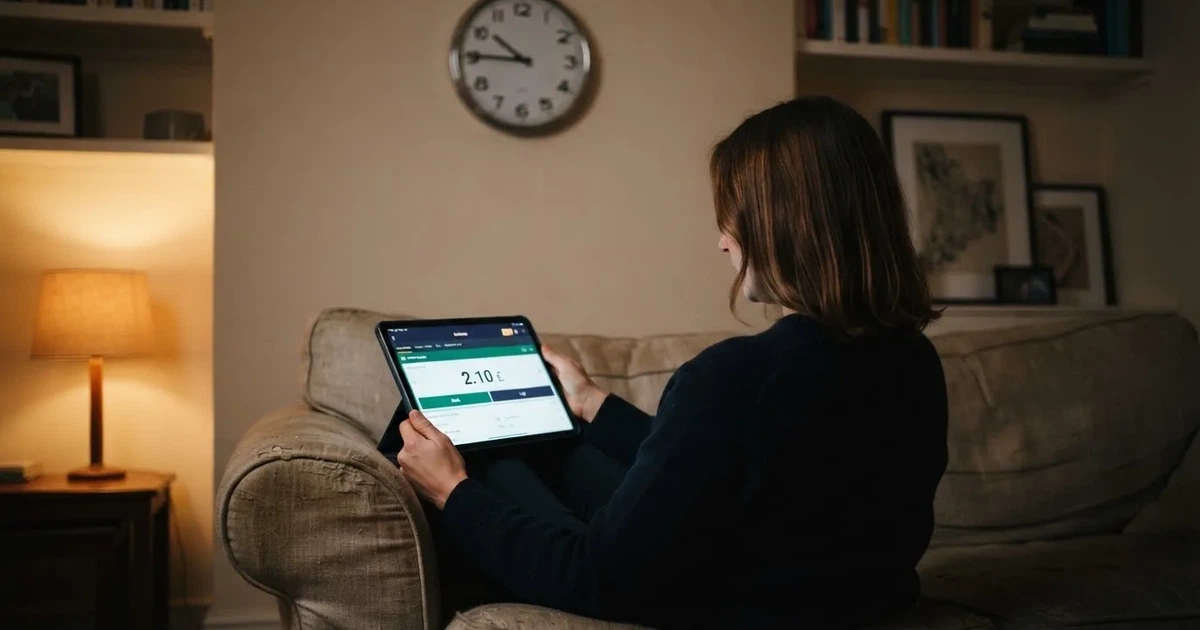
Matched betting is a technique for profiting from bookmakers’ free bets and promotions, using accounts with two or more bookmakers or betting exchanges, at least one of which offers a free bet. In matched betting a back bet, usually placed at a bookmaker, bets on a result to happen, while a lay bet, usually placed on an exchange, bets against it, with the layer acting as the bookmaker. A qualifying bet is a bet with the bettor’s own money that unlocks a free bet; the same result is backed at the bookmaker and laid at an exchange to cover the loss if it does not occur. Betting exchanges let customers back and lay, with another customer matching each bet; commission is usually charged as a percentage of net winnings per market and not at all on a net loss. Odds typically range from 1.01 to 1000, limiting the range of available lay prices.
Safer gambling and the wider cost of chasing free bets
Matched betting looks tidy on paper. Two bets, two sides, a calculated return regardless of outcome. The framing the online guides adopt tends to skip over the fact that every “qualifying bet” in matched betting is a real wager placed with real money on a real event, and the bankroll it requires is not the figure the welcome offer headline suggests. A new punter running a £10 free-bet offer may need £30 to £50 of working capital tied up across both sides of the bet while the event settles, and several of those offers must be running concurrently to make the activity worth the time spent on it. The bankroll is recoverable, but it sits at risk until each market settles.
GAMSTOP is the national multi-operator self-exclusion register, and every operator reviewed on this page is a participant. A punter who has registered with GAMSTOP cannot open a new account at any of them, and trying to do so from an existing exclusion is a breach of the exclusion itself. The minimum period is six months, with one-year, five-year and five-year-auto-renewing options, and the exclusion stays in place for a further seven years after the minimum unless the customer asks GAMSTOP to remove it. That is the wider system matched betting sits inside, and the rest of this page assumes the reader is using it with that fact present.
A matched bettor also needs to know what the Gambling Commission now requires of licensed operators, because it shapes what the operator can offer. A financial vulnerability check applies once a customer’s deposits minus withdrawals exceed £150 in any rolling 30-day period, and it is a public-record check, not a credit check. Deposit limits are the customer’s choice — there is no state-set ceiling — and the operator must offer a gross deposit limit on a fixed time frame, with the first changes in force since 31 October 2025 and a second phase postponed to 30 September 2026. These are the rails the technique runs on. Reading them as the operator’s terms section reads them is what separates a matched bettor from a punter who treats free bets as a hobby they can run carelessly.
How matched betting works, in plain arithmetic
The mechanism rests on a back bet and a lay bet on the same event. The back bet is placed at a bookmaker, usually at slightly better odds than the lay side because the bookmaker’s margin sits on top of the true price. The lay bet is placed on a betting exchange — Smarkets, Betfair or Matchbook in this market — where another customer acts as the bookmaker and takes the other side of the wager. A matched bettor wants the two bets to cover one another: if the bookmaker side wins, the exchange side loses, and vice versa, so that the net result is small and known in advance regardless of which outcome occurs.

Three terms govern the result. The first is the backer’s odds at the bookmaker; the second is the layer’s odds at the exchange; and the third is the exchange’s commission on net winnings. Commission on Smarkets, Betfair and Matchbook is charged as a percentage of net winnings per market and not at all on a net loss, so a market that loses at the exchange pays no commission and a market that wins at the exchange pays the percentage on what was won. The qualifier “net” matters because commission is calculated on the profit of that market, not on the stake. As noted, these exchanges limit odds to the 1.01 to 1000 range, which bounds how aggressive a lay price can be in any matched-bet calculator.
A “qualifying bet” is a real-money wager that unlocks a free bet. The same selection is backed at the bookmaker and laid at the exchange, and the qualifying bet is structured to come out roughly even — a small loss either way that is the cost of unlocking the free bet. A £10 free bet that requires a £10 qualifying bet at minimum odds of 2.0 costs a matched bettor the small qualifying loss, plus the exchange commission on whichever side wins, before the free bet is even placed. The free bet itself is then matched in the same way, on a different event, and the value of that free bet is what the technique actually delivers. The arithmetic of the free bet is the part of matched betting most online guides explain loosely. The next two sections deal with it precisely.
A worked example of a free bet, with the value stated as a band
Take a free bet of £10 whose stake is not returned with winnings — the standard arrangement at every operator reviewed below — placed on a two-way market at decimal odds of 1.90 on either side. The return on a winning free bet is the stake multiplied by the odds, so £19, of which £10 is the stake that does not come back and £9 is profit. That £9 is the maximum the free bet can win on this market. On the other side sits a lay bet at 1.90, which costs the matched bettor a small liability if the selection wins and pays the lay stake if it loses. The exchange keeps a commission on net winnings of around 2 to 5 per cent at the exchanges listed below, so the realised value of the free bet is slightly below £9 once commission is netted out.
Stated as a band, a £10 free bet matched at decimal odds of 1.90 / 1.90 with exchange commission in the 2 to 5 per cent range delivers roughly £7.50 to £8.50 in real money after the lay liability and commission are netted off, depending on which exchange is used and the exact lay price the matched bettor caught. The narrower the lay odds are to the back odds, the smaller the qualifying loss but also the smaller the free-bet value, because a tight spread means more money sits at the exchange as liability. A wider lay price raises the free-bet value at the cost of a larger qualifying loss. The art of matched betting is the trade-off between these two figures, and no single number captures it without naming both the spread and the commission rate.
That is the ceiling on the calculation this page makes. The £7.50 to £8.50 figure is an average over many bets under the assumptions given; it is not what any individual free bet will pay out, because the actual result depends on the matched bettor’s timing, the markets they pick and the lay liquidity available on the day.
Bonuses and free bets in Great Britain: the rules that decide their value
Every bookmaker reviewed below runs a welcome offer, and almost every welcome offer is built around free bets. Three mechanics decide what those free bets are actually worth, and they sit in the operator’s own terms rather than in any general industry rule.
The first mechanic is the wagering requirement. Since 19 January 2026 the Gambling Commission has capped wagering requirements on bonuses at 10x the bonus amount, so a £10 bonus cannot require more than £100 of qualifying bets before the bonus or its winnings are withdrawable. Several offers reviewed below state a 1x wagering on the free bet itself, which is the lightest end of the spectrum and effectively turns the free bet into withdrawable cash after a single settled wager. The £150 financial vulnerability check applies independently of wagering and is the operator’s check, not the punter’s choice. The £10 free bets at Sky Bet and the four £10 free bets at BetUK both fall well under the cap, and Betway’s free bets carry 1x wagering at odds of 1.75 or higher.
The second mechanic is the minimum odds. A free bet that requires minimum odds of 2.0 — Unibet’s £40 in free bets when you bet £20 is an example — is constrained to selections whose decimal price is at least 2.00 (1/1 in fractional form, “evens” in betting language). A higher minimum odds of 3.0 — the SBK free bet structure built on Smarkets’ exchange arm — pushes the matched bettor into longer-odds markets, which carry more variance and a wider qualifying spread between the back and lay prices. Minimum odds below 1.5 rarely appear in welcome offers and effectively exclude matched betting from the offer because the qualifying spread eats the free-bet value.
The third mechanic is the stake-not-returned clause. At every operator reviewed on this page, the stake of a free bet is not paid back with the winnings, and several — Sky Bet, Dabble, the Midnite welcome offer — state the clause in plain language in their terms. This is the single biggest determinant of free-bet value, and the next section explains why.
Why the stake of a free bet is not paid back
A free bet of £10 at decimal odds of 4.0 returns £40 if it wins — £30 of profit plus the £10 stake, which most readers assume comes back. Under matched-betting terms, the £10 stake is the bookmaker’s contribution and does not come back. The matched bettor sees £30 in profit, not £40, and the lay side of the bet covers that £30 of profit at the exchange. If the stake were returned, the matched bettor would have £40 to cover, and the qualifying loss would be larger; the stake-not-returned clause is what makes the arithmetic possible at the spreads and commissions currently seen in this market. Free bets that return the stake with winnings are rare in Great Britain at the moment and are usually run as enhanced-odds offers rather than as named free bets.
Expiry is the second condition that quietly governs value. Sky Bet’s free bets expire 30 days after crediting, Dabble’s expire 7 days after crediting, and the Midnite free bets and free spins expire 7 days after issue. A matched bettor who holds several free bets across several operators must keep track of each expiry window, because a free bet that expires before the matching lay bet settles is forfeit. The expiry is short on purpose: the operator wants the punter to run the free bet through their platform within a defined window, and the matched bettor wants to be running the calculation before the window closes.
There is also a hard ban on mixed-product promotions since 19 January 2026 — an offer that requires gambling on two or more product types, such as “bet on football to get free spins”, is now prohibited. Lottoland’s current welcome offer, which is casino-based with free spins on a named slot, sits outside that rule because it is a single product, and BetUK’s split structure of four £10 free bets across two football accumulators and two multiples is a single-product offer even though it splits across market types. The 10x wagering cap applies to the bonus, not to the qualifying bet that unlocks the bonus, and operators structure their offers to keep the bonus base modest enough to stay well under the cap.
The ten operators: a costing of each against the matched-betting brief
The table below lists the ten operators reviewed on this page, the Gambling Commission licence they hold, and the headline of what their own terms state on free bets, qualifying bets and the matched-betting mechanics above. The set is the Gambling Commission’s public register filtered to remote licences covering general betting standard (real events) and betting intermediaries, and the order follows the register’s own listing, not a ranking.
| Brand | Gambling Commission remote licence | What the operator’s own terms say about matched betting’s mechanics |
|---|---|---|
| Betfair | 039439-R-319330-013 (PPB Counterparty Services Limited) | In-play, Bet Builder, free live streaming of UK and Irish horse racing and football in-app; 90 Minute Payout market. Exchange and sportsbook sit under one brand. |
| Smarkets | 039173-R-319366-011 (Smarkets (Malta) Limited) | Betting intermediary; SBK sportsbook arm offers £60 in free bets from a £20 deposit and a £20 qualifying bet at minimum odds of 3.0 within 48 hours, with Cash Out, Bet Builder and live horse racing streams. |
| Matchbook | 039504-R-319407-024 (Triplebet Limited) | Betting intermediary; 110 days of commission-free betting from registration for new customers using the code in the listing, with a deposit; standard commission applies afterwards. |
| Midnite | 101839-R-342850-001 (Midnite Limited) | Welcome offer: bet £5+ on pre-match odds of EVS (2.0) or greater within 14 days of sign-up for £25 in free bets and 50 free spins, valid 7 days. In-play, acca builder, popular accas, price boosts with maximum-stake limits. |
| Unibet | 045322-R-324275-019 (Platinum Gaming Limited, Gibraltar) | Operated since 1999; welcome offer of £40 in free bets when you bet £20 at minimum odds of 2.0, free bets expiring within 7 days, for new GB customers using a debit card or instant bank transfer. |
| BetUK | 039198-R-319450-029 (LeoVegas Gaming PLC) | Welcome offer: deposit £10+ and place a sports bet within 7 days of registering for four £10 free bets (two football accumulators of 4+ legs, two multiples of 2+), valid 7 days, opt-in required. |
| Bet600 | 044731-R-323941-016 (Tyche Tech Limited) | Welcome offer: 5 qualifying single bets of £10+ at Evens (2.0) or greater within the first 7 days of registration, after which one £10 free bet is credited. |
| Fafabet | 057385-R-333191-006 (Taichi Tech Limited) | Best Odds Guaranteed on UK and Irish horse racing win and each-way bets from 9am on race days; if the starting price beats the taken price, the bigger odds are paid. |
| Lottoland | 038991-R-319408-020 (EU Lotto Limited) | Current app welcome offer is casino-based: a £20 stake on selected slots earns 100 free spins on Fishin’ Frenzy Even Bigger Fish with no wagering, 30-day expiry, running until 14 February 2027. |
| Betboro | 044181-R-324363-007 (Webmedia Development N.V.) | Welcome offer: 100% matched free bet up to £25 on the first qualifying wager, debit-card deposit of at least £10 and a first bet of £5 to £25 with at least three selections each at 3/5 (1.60) or higher. |
The remainder of this section runs through each operator with what their terms mean for a matched bettor specifically — qualifying-bet cost, free-bet value, the conditions that bind the offer, and a closing verdict on who the operator suits.
Betfair: the exchange that anchors the lay side of nearly every matched bet
Betfair’s licence covers both the sportsbook and the exchange, and both sit under PPB Counterparty Services Limited. For matched betting, the exchange is the more important of the two because it is where the lay bets are placed — Betfair, Smarkets and Matchbook are the three exchanges most matched bettors in Great Britain use as their lay side. The sportsbook adds a welcome offer and the standard bookmaker-side tools: Bet Builder, in-play betting, free live streaming of UK and Irish horse racing and football in-app, and a 90 Minute Payout market that settles football bets whose side is two goals ahead at the 80-minute mark.
The exchange’s commission is the operative figure for matched-bettor economics, and that figure is set per-market on Betfair rather than as a single site-wide rate. Standard commission on the main football, horse racing and tennis markets is in the 2 to 5 per cent range, with lower rates on the less-popular markets and a commission-free threshold on some accounts below which no commission is charged. A matched bettor running Betfair as the lay side is paying the exchange out of every winning lay bet, and the spread between Betfair’s commission and Smarkets’ or Matchbook’s is one of the trade-offs that defines which exchange to use for which market.
For the matched bettor specifically, Betfair’s liquidity on the major football and horse-racing markets is the deepest in the British market, which matters because lay bets at non-existent prices are no lay bets at all. The sportsbook welcome offer sits separately and is structured as a free-bet package rather than as cash, and a punter running matched betting across Betfair and a second bookmaker needs to keep the two accounts straight.
The verdict for a matched bettor: Betfair is the lay-side anchor most other matched-betting strategies are built on, and the depth of its markets is the reason. The commission is the cost of that depth, and the trade-off favours the bigger markets over the smaller ones.
Smarkets and its SBK sportsbook arm: a low-commission exchange with a sportsbook offer
Smarkets runs a betting-intermediary licence under Smarkets (Malta) Limited, and the SBK sportsbook sits under the same group as a separate app. The exchange’s commission is among the lowest in the British market at around 2 per cent on net winnings on the main markets, with no commission on net losses. The SBK welcome offer is £20 first deposit and a £20 qualifying bet at minimum odds of 3.0 for £60 in free bets within 48 hours of the qualifying bet settling, with Cash Out, Bet Builder and live horse racing streams available in the sportsbook.
The minimum odds of 3.0 are the operative number. They push the qualifying bet into longer-odds markets — outrights, correct-score markets, half-time / full-time markets — and the qualifying spread on those markets is wider than on the 1X2 match-result market. A matched bettor running the SBK welcome offer as the bookmaker side should expect a larger qualifying loss than at Unibet or Midnite, with the trade-off that the £60 in free bets is also larger and the free-bet value scales with the size of the free bet rather than with the size of the qualifying loss.
For matched betting on the exchange side, Smarkets is the low-commission alternative to Betfair, and the difference in commission between the two exchanges adds up over a year of running matched bets. Liquidity is shallower than Betfair on the biggest football matches and is comparable on horse racing, with Smarkets tending to be tighter on the smaller markets because fewer layers are active there.
The verdict for a matched bettor: SBK’s welcome offer is heavier than most but pays back in a larger free-bet stack, and Smarkets is the low-commission exchange for matched bettors who can run their lay bets on its markets rather than Betfair’s.
Matchbook: 110 days of commission-free betting for new accounts
Matchbook runs a betting-intermediary licence under Triplebet Limited, and its headline offer for new customers is 110 days of commission-free betting from registration, with a deposit and the use of the code in the listing. After the 110 days, standard commission applies. Matchbook is the smallest of the three British exchanges in terms of liquidity on football and horse racing, but it is competitive on the markets it covers and the 110-day commission-free window is the longest new-customer offer in the exchange market at the moment.
For a matched bettor, the offer is straightforward: open the account, deposit, place matched bets with Matchbook as the lay side for 110 days, and the commission saving on net winnings across that window is the value of the offer. A matched bettor running £5,000 of net exchange winnings over 110 days at a 2 per cent commission rate would save around £100 in commission, and a heavier-volume matched bettor saving more would see the offer saving at scale. The catch is liquidity: a matched bettor who cannot get matched at the price they want on Matchbook will fall back to Betfair or Smarkets, and the offer’s value depends on whether the matched bettor’s preferred markets are covered.
The verdict for a matched bettor: Matchbook is the exchange to run during the 110-day window for any matched bettor whose markets are covered, with the offer paying back in commission saved rather than in free bets. Outside the window, the value proposition returns to standard commission plus liquidity.
Midnite: a small welcome offer with a short qualifying window
Midnite runs a remote general betting standard licence under Midnite Limited and the welcome offer is bet £5 or more on pre-match odds of EVS (2.0) or greater within 14 days of sign-up for £25 in free bets and 50 free spins, valid 7 days after issue. The site shows in-play events, an acca builder, popular accas and price boosts with maximum-stake limits. The pre-match minimum is the binding condition: the bet must be placed before the event starts, which constrains the matched bettor to pre-match markets rather than to in-play markets that may have tighter spreads.
The free-bet value here is around £18 to £20 in real money if matched at tight spreads on a two-way market, after the qualifying loss and the exchange commission. The free spins sit outside the matched-betting calculation because they are casino-side rather than sportsbook-side. The 7-day expiry on the free bets is the constraint a matched bettor needs to plan around, because finding the matching lay bet, placing it at the exchange and waiting for both sides to settle must all happen inside that window.
The verdict for a matched bettor: Midnite’s offer is light and short-windowed, and the matched-bettor value depends on running the qualifying bet and the matching lay bet inside 14 days of sign-up. The acca builder and price boosts do not change the matched-betting mechanics.
Unibet: 26 years of operation and a £40 free-bet stack from a £20 qualifying bet
Unibet has operated since 1999 and its UK site runs under Platinum Gaming Limited in Gibraltar, with a remote general betting standard licence. The welcome offer is “Get £40 in Free Bets when you bet £20”: a deposit and a sports bet of £20 or more at minimum odds of 2.0, with the free bets expiring within 7 days of issue and the offer restricted to new GB customers using a debit card or instant bank transfer. The minimum-odds rule of 2.0 keeps the qualifying bet inside the standard match-result and outright markets, and the £40 free-bet stack is split into smaller free bets rather than paid as one.
For matched betting, Unibet is a clean first offer to run: the qualifying bet at 2.0 has a tight spread on the major football matches, the £40 free-bet stack is enough to make the offer worth the setup time, and the 7-day expiry on the free bets is enough to find matching lay bets on a settled weekend of fixtures. The payment-method restriction — debit card or instant bank transfer, no e-wallets for the qualifying deposit — is the kind of condition that catches matched bettors out, because an e-wallet deposit disqualifies the offer under Unibet’s terms. Credit cards are not an option anyway under the LCCP ban that has been in force since 14 April 2020.
The verdict for a matched bettor: Unibet is the textbook first welcome offer for a matched bettor starting out — modest qualifying bet, light free-bet stack, well-under the wagering cap. The payment-method rule is the one condition worth checking before depositing.
BetUK: four £10 free bets split across two accas and two multiples
BetUK runs under LeoVegas Gaming PLC and its welcome offer is a £10+ deposit and a sports bet within 7 days of registering for four £10 free bets: two football accumulators of 4+ legs and two multiples of 2+ legs, each valid for 7 days, with opt-in required. The split across two accas and two multiples is the unusual feature — it breaks the free-bet stack into four smaller bets rather than four identical bets, which a matched bettor needs to plan around.
The matched-betting implication is that the four free bets cannot be treated as four identical units. A 4-leg football acca has different qualifying economics from a 2-leg multiple, and the lay side of an acca is harder to match cleanly because the exchange price on the accumulator is not the same as the exchange price on each leg separately. A matched bettor running BetUK’s offer is doing four small matched bets rather than one £40 matched bet, and the total matched-bet time is roughly four times the time of a single free-bet match.
The verdict for a matched bettor: BetUK’s offer pays the same headline value as several others on this page, but the four-way split adds operational cost in matched-betting effort. The offer suits a matched bettor with time to plan four small matched bets rather than one larger one.
Bet600: a free bet earned only after five qualifying bets
Bet600 runs under Tyche Tech Limited, and its welcome offer is at least 5 qualifying single bets of £10 or more at Evens (2.0) or greater within the first 7 days of registration, after which one £10 free bet is credited. The qualifying period is short, the qualifying stake is large relative to the free bet, and the free bet itself is a single £10 unit rather than a stack. There is no welcome offer on the table that compares on workload-versus-payoff, and the matched-bettor view of this offer is that it asks for five qualifying bets to deliver one free bet.
The matched-bettor implication is that the qualifying-bet cost — the small loss across five matched bets — has to be set against the value of one £10 free bet. Run at tight spreads on the major football matches, the qualifying loss across five bets is in the £2 to £5 range, and the £10 free bet matched at 1.90 delivers £7.50 to £8.50 in real money. The net matched-betting profit is £2.50 to £6.50 per offer, after the time spent on five qualifying bets and one free-bet match.
The verdict for a matched bettor: Bet600’s offer is the worst workload-to-payoff ratio on this page for matched betting, and the offer suits a punter who is already running qualifying bets at the operator for other reasons rather than a matched bettor choosing Bet600 as a primary target.
Fafabet: best odds guaranteed on horse racing, not a free-bet offer
Fafabet runs under Taichi Tech Limited and its headline product feature is Best Odds Guaranteed on UK and Irish horse racing win and each-way bets from 9am on race days: if the starting price is bigger than the original price taken, the bigger odds are paid. BOG is not a free bet and does not fit the matched-betting model in the straightforward way a free-bet offer does, because the value is delivered through the odds rather than through a credited free bet.
For a matched bettor, BOG has a niche use: a back bet at Fafabet on a horse whose starting price drifts out by race time is paid at the SP, and the lay side of the bet on the exchange is settled at the lay price the matched bettor took. The matched-bet profit on a BOG bet is the difference between the SP and the lay price, minus commission, and the figure can be meaningful on horses whose price moves out between the morning and the off. The matched bettor who runs horse racing rather than football will use BOG offers more often than the matched bettor who runs football only.
The verdict for a matched bettor: Fafabet is the matched-bettor’s horse-racing bookmaker, with BOG doing the work a free bet does on a different sport. The offer suits a matched bettor whose lay bets are running on the major horse-racing exchanges.
Lottoland: casino-based welcome offer, not a sportsbook one
Lottoland runs under EU Lotto Limited and its current app welcome offer is casino-based: a £20 stake on selected slots earns 100 free spins on Fishin’ Frenzy Even Bigger Fish, with no wagering and a 30-day expiry, running until 14 February 2027. The offer sits outside matched betting on sports, because matched betting as a technique runs on sportsbook free bets with bookmaker-and-exchange pairs. Free spins on a slot have no exchange to be laid on.
For a matched bettor, Lottoland is not a target. The free spins deliver real money on a casino game with no wagering, which is itself a strong offer for a casino player, but the matched-bettor toolkit does not have a way to lay a slot spin against a bookmaker bet. Lottoland appears on this page because it holds a remote general betting standard licence and is on the Gambling Commission’s register, and the matched-bettor verdict on it is that it is the wrong product for the technique.
The verdict for a matched bettor: Lottoland’s offer is for a casino player, not a sportsbook matched bettor, and the technique does not extend to slot free spins. The licence and the LCCP rules apply in the same way, but the product is different.
Betboro: a matched free bet up to £25 with a multi-leg qualifying structure
Betboro runs under Webmedia Development N.V. and its welcome offer is a 100 per cent matched free bet up to £25 on the first qualifying wager. The qualifying conditions are a debit-card deposit of at least £10 and a first bet of £5 to £25 with at least three selections each at 3/5 (1.60) or higher. The multi-leg minimum is the constraint that catches matched bettors out, because a 3-leg accumulator at minimum 3/5 per leg has a combined minimum odds of around 3/1 (4.00 decimal), and the qualifying spread on an accumulator is wider than on a single match-result bet.
For a matched bettor, Betboro’s offer is a smaller version of the Sky Bet-style free bet structure, with a multi-leg qualifying bet replacing the single-bet qualifier. The matched-bettor effort per offer is higher than a single-leg offer because the lay side has to be matched on the accumulator as a whole, and the exchange price on a 3-leg acca is harder to lock in than on a single match-result. The matched-betting profit on a £25 matched free bet at 1.60-per-leg minimum is in the £18 to £22 range, after qualifying cost and commission.
The verdict for a matched bettor: Betboro’s offer pays back at a higher rate than several others on this page, but the multi-leg qualifying structure adds operational cost. The offer suits a matched bettor with time to match an accumulator rather than a single bet.
What a betting exchange is, and why it is the matched bettor’s main tool
A betting exchange is a market in which customers back and lay bets against one another, with the exchange taking a commission on net winnings. Three exchanges operate in Great Britain at scale: Betfair, Smarkets and Matchbook, each licensed as a betting intermediary under the Gambling Commission’s framework. The licence is distinct from the standard bookmaker licence because an exchange does not take a position on the outcome of an event — it matches customers against one another and earns its money from commission. The matched bettor’s role on the exchange is as a layer, betting against a result the bookmaker has priced in, and the exchange’s role is to provide the platform and to take the commission on the matched bet.
Exchanges let customers back and lay at odds between approximately 1.01 and 1000, which bounds how aggressive a lay price can be. The lower bound means that a lay bet on a heavy favourite cannot be placed at less than 1.01, and a back bet on a long outsider cannot be placed at more than 1000. The upper bound is academic — no real matched bettor runs a lay bet at 1000 — but the lower bound is operative because it caps how short a lay price can be on a heavily-favoured selection. The standard lay price on a Premier League favourite at the exchanges is in the 1.05 to 1.20 range, and the matched bettor’s qualifying loss on a tight spread is in single-digit pounds at this end of the market.
Commission is the exchange’s economic engine. Betfair charges a percentage of net winnings per market, with the rate varying by market and account type, and no commission on a market that loses. Matchbook’s 110-day commission-free offer is a new-customer incentive that runs out after the window. Smarkets’ commission is in the 2 per cent range on the main markets. A matched bettor running several thousand pounds of net exchange winnings per year is paying hundreds of pounds in commission across the three exchanges, and the choice of exchange for which market is a real cost-saving decision.
Legality and regulation: what matched betting is and is not in Great Britain
Matched betting is legal in Great Britain. There is no statute against placing a back bet and a lay bet on the same event, and the Gambling Commission does not prohibit matched betting as a technique. What the Commission regulates is the operators who take the bets and the offers those operators run. A matched bettor using a UK-licensed bookmaker and a UK-licensed exchange is operating inside the regulated market, and the protections of that regime apply. A matched bettor using an unlicensed operator is outside the regime, and the protections of the regime do not apply.
The Gambling Commission licenses the British gambling market under the Gambling Act 2005, which covers Great Britain — England, Scotland and Wales — with Northern Ireland outside the Act under its own older law. Since the Gambling (Licensing and Advertising) Act 2014, an operator whose remote facilities are used in Great Britain needs a Commission licence wherever the operator is based, and a Curaçao, Maltese or Gibraltar licence is not a substitute. The Commission’s public register lists every licensed operator by name, trading name, domain and account number, and the register is the test of whether a brand holds a licence. The ten operators reviewed above are on that register, and the licences cited in the table above are the register entries. Several of them — Unibet under Platinum Gaming Limited, Lottoland under EU Lotto Limited, BetUK under LeoVegas Gaming PLC — are run by overseas companies, which is permitted under the post-2014 framework.
Betting exchange licences are a separate category from the standard bookmaker licence, and the three British exchanges — Betfair, Smarkets and Matchbook — sit under the “remote betting intermediary” category rather than the “remote general betting standard (real events)” category that covers the bookmakers. The categories are different because the activities are different: an exchange matches customers against one another rather than taking a position on outcomes. A bookmaker running its own exchange — Betfair under PPB Counterparty Services Limited is the obvious case — holds both categories of licence under one entity, and the operator’s terms distinguish between the sportsbook and the exchange.
Financial spread betting is regulated by the Financial Conduct Authority, not the Gambling Commission, and that is its own regime. Spreadex is the operator that runs both spread betting under FCA regulation and fixed-odds betting under Commission regulation, and the company’s homepage makes the distinction because the two product lines sit under different regulators with different consumer-protection rules. A matched bettor running fixed-odds sportsbook bets at Spreadex is on the Commission side, and the FCA regime does not apply to that activity.
What the matched bettor needs to know about offers under the 2026 rules
Since 19 January 2026, two rules apply to bonuses and promotions across all GB-licensed operators. Wagering requirements on bonuses are capped at 10x the bonus amount, and mixed-product promotions — an offer that requires gambling on two or more product types, such as “bet on football to get free spins” — are banned. Both rules apply to bonuses and promotions rather than to free bets without a wagering condition, although the precise boundary is one the Commission’s guidance has not pinned down publicly. A £10 bonus with 50x wagering that required £500 of bets before withdrawal is now non-compliant, and any welcome offer in this market must bring its wagering requirement under the cap.
The cap on wagering is one of the reasons the welcome offers reviewed above sit at modest sizes. The largest free-bet stacks — £60 at SBK, £40 at Unibet — sit well below the £100 cap that 10x wagering on a £10 bonus would imply, and the operators have structured the offers to stay under the cap without forcing them to drop the headline figure. The cap is not a ceiling on the headline; it is a ceiling on the multiplier, and an operator can offer a £50 free bet with 1x wagering because £50 of qualifying bets is well under the cap on a £5 bonus base.
The matched-bettor effect of the cap is that welcome offers are now lighter than they were before January 2026, and the qualifying cost per offer is therefore smaller. The trade-off is that the headline free-bet stack is also smaller, and the matched-bettor has to run more offers across more operators to make up the difference. The 110 days of commission-free betting at Matchbook is unaffected by the cap because it is a commission offer rather than a bonus offer, and the SBK free-bet structure at Smarkets is unaffected because its wagering sits at 1x.
Offshore and the loss of protection at unlicensed operators
A matched bettor using an unlicensed operator loses the protections of the GB regime. There is no GAMSTOP coverage, no Commission complaints route, no approved dispute-resolution body, no British consumer redress if funds are withheld, and the operator is not bound by the 10x bonus cap or the £150 vulnerability check. Providing gambling facilities in Great Britain without the required licence is an offence under section 33 of the Gambling Act 2005 — aimed at the operator, with up to 51 weeks’ imprisonment, a fine up to level 5, or both on summary conviction, six months in Scotland. There is no offence found aimed at a customer who merely bets on an unlicensed site.
Enforcement against unlicensed operators runs through cease-and-desist notices, search-engine referrals, registrar and host work and payment-provider pressure, with court-order DNS blocking powers given or about to be given to the Commission. The matched bettor who chooses an unlicensed operator is choosing a market with no regulatory backstop, and the consequences run from the operator simply withholding a winning bet to the operator disappearing with the matched bettor’s deposited bankroll. The honest framing is that licensed operators offer checks, limits, GAMSTOP and the bonus cap, and unlicensed operators offer none of those and a real risk of fund loss.
Tax on winnings
Matched-betting winnings are not taxed on the customer in Great Britain. General Betting Duty is the operator’s tax on gross profits, currently 15 per cent, with a remote rate of 25 per cent within it applying from 1 April 2027, while remote bets on UK horse racing, bets on self-service betting terminals in licensed premises, pool betting and in-person betting stay at 15 per cent. Until 1 April 2027 the remote rate stays at 15 per cent, and whether operators pass duty on through the odds they offer is not established. A professional gambler — a status defined by HMRC rather than by the Gambling Commission — should ask HMRC or an adviser, and matched betting at scale may fall inside that definition. General information, not tax advice.
What the technique costs in plain figures, across the ten operators
The technique’s value across the ten reviewed operators is the sum of the qualifying losses across each welcome offer plus the free-bet values, less the exchange commission paid across the same period. A matched bettor running all ten welcome offers in sequence, using Smarkets or Matchbook as the lay exchange for the smaller operators and Betfair for the major football and horse-racing markets, would expect to spend three to four weeks on the campaign if running one offer at a time, with a working bankroll of around £200 to £300 across the open positions.
The headline free-bet stacks, summed: £60 at SBK, £40 at Unibet, £25 at Midnite, £40 across four £10 units at BetUK, £10 at Bet600, up to £25 at Betboro, £10 at Dabble. The total headline across these seven sportsbook offers is £210, with the average qualifying loss in the £3 to £8 range per offer and the average exchange commission in the £2 to £5 range across the seven offers. The real-money yield across the seven is around £140 to £165, after qualifying losses, commission and the stake-not-returned adjustment.
The exchange-side offers change the picture. Matchbook’s 110 days of commission-free betting saves a matched bettor running £5,000 of net exchange winnings over the window around £100 in commission at standard rates, and Smarkets’ lower commission rate against Betfair’s standard rate on the same markets saves a further £20 to £40 over the same period depending on which markets the matched bettor runs. Betfair’s liquidity premium is the trade-off for the wider market access, and a matched bettor who can run their lay bets on Smarkets for the major football matches will pay less commission than the same matched bettor on Betfair.
Fafabet’s BOG is a different kind of value because it is paid through the odds rather than through a free bet, and a matched bettor running horse racing at Fafabet on a horse whose SP drifts by two or three ticks earns the difference between the SP and the lay price, less commission. Across a weekend of BOG bets the matched-bettor yield on horse racing is in the £10 to £30 range. Lottoland’s free-spins offer sits outside the matched-betting calculation because it is casino-side, and the matched bettor who treats it as part of the campaign is misreading the technique’s scope.
A note on offer timing and the running order
Matched-betting offers change frequently. The welcome offers reviewed above were the headline offers on each operator’s site or app at the snapshot date in research, and operators change welcome offers without notice. A matched bettor running the campaign today needs to check each operator’s current welcome offer before depositing, because the headline free-bet stack, the minimum odds and the qualifying window may have changed. The conditions that bind the offer — minimum odds, wagering, expiry, payment-method rules, stake-not-returned — are the part of the offer that does not change often, and those are the conditions to read carefully.
The qualifying-bet window matters as much as the free-bet stack. Midnite’s 14-day qualifying window is the longest on the list, and the offer is generous on that dimension. BetUK’s 7-day window is tight, and the matched bettor needs to plan the qualifying bet inside that window or the offer is forfeit. Sky Bet’s 30-day expiry on the free bet itself is generous on that dimension, even though the matched bettor running Sky Bet needs to remember the offer sits at the upper end of the qualifying-bet effort required.
Frequently asked questions on matched betting in Great Britain
Can a person make a living from matched betting?
A living is income that covers a person’s living costs over a year, and matched betting at scale — several hundred offers across several operators, with both sportsbook and casino offers running in parallel — can produce a real income for someone running it full-time. The income is bounded by the offers available, the bankroll behind it and the time spent on each matched bet, and the offer supply in the British market is finite. A reader thinking of matched betting as a primary income source should plan around the offer supply, not around the headline figures on welcome offers, because welcome offers are the smallest part of the long-term offer pool and reload offers for existing customers are where the volume sits. The honest framing is that matched betting can be a real income but is not a guaranteed one.
Can a person make money from matched betting?
Yes, but the money is in the small profit per offer, not in any single large win, and the cumulative profit over a year is the sum of those small profits. A reader who treats matched betting as a lottery ticket will lose, and one who treats it as a process to be run systematically will make money. The qualifying-bet cost and the exchange commission are the two deductions from each matched bet, and the difference between the gross free-bet value and those two deductions is the net per offer. Across a year, that net per offer compounded is the year’s income from the technique.
Can PayPal be used for matched betting?
PayPal is accepted as a deposit method at several GB-licensed bookmakers, but the welcome offers reviewed above are restricted by payment method at several operators. Unibet’s welcome offer is restricted to debit card or instant bank transfer, and Betboro’s welcome offer is restricted to debit-card deposit. A matched bettor funding the qualifying deposit through PayPal may disqualify the offer at those operators, even though PayPal is accepted for general deposits and withdrawals. Credit cards are banned for gambling in Great Britain under LCCP condition 6.1.2, in force since 14 April 2020, and that ban extends to credit-card-funded payments through an e-wallet. PayPal is an e-wallet, and a credit-card-funded PayPal deposit would breach the ban at every operator on this page.
What is the maximum wagering requirement on a betting bonus in Great Britain?
Ten times the bonus amount, since 19 January 2026. A £10 bonus cannot carry more than £100 of qualifying bets before withdrawal of the bonus or its winnings, and any welcome offer in this market with a higher multiplier is non-compliant with the Commission’s rules. The cap applies to bonuses and promotions, and the precise boundary with free bets that carry no wagering condition is one the Commission’s public guidance has not pinned down. A reader checking a specific offer should look at the bonus base — the figure the multiplier is applied to — rather than at the headline free-bet stack, because the cap is on the bonus, not on the headline.
What do minimum odds and the wagering requirement mean in a sign-up offer?
Minimum odds are the lowest decimal price at which the qualifying bet or the free bet may be placed, and the wagering requirement is the number of times the bonus base must be bet before withdrawal. A Sky Bet free bet that requires minimum odds of 1.75 and 1x wagering on a £10 free bet means the free bet must be placed at decimal odds of 1.75 or higher, and the winnings of that free bet must be bet once at any odds before withdrawal. A Unibet qualifying bet with minimum odds of 2.0 means the £20 qualifying bet must be placed at decimal odds of 2.0 or higher, and the qualifying bet does not have a wagering requirement because it is the bet that unlocks the free bet rather than the free bet itself. The two numbers are different parts of the offer, and a matched bettor needs to read both.
Why is the stake of a free bet not paid back with the winnings?
The stake of a free bet is the bookmaker’s contribution to the matched bet, and it is treated separately from the winnings because the matched bettor’s risk on the free bet is zero. A £10 free bet at decimal odds of 4.0 that wins returns £40 in total — £30 of profit plus the £10 stake — and the matched bettor sees only the £30 of profit because the £10 stake is the bookmaker’s money rather than the matched bettor’s. The stake-not-returned clause is what makes the matched-betting arithmetic possible at the spreads currently seen in this market, because a free bet that returned the stake would force a larger qualifying loss on the lay side. Free bets that return the stake are rare in this market at the moment and are usually run as enhanced-odds offers rather than as named free bets, and a matched bettor who assumes the stake comes back will misread the offer’s value.
Free bets & offers – Free bets
Content created by the «Free bets» team
