
Best odds guaranteed — what the offer really costs the punter who takes it
 Available in US
27 October 2026 · verified against the Gambling Commission’s public register
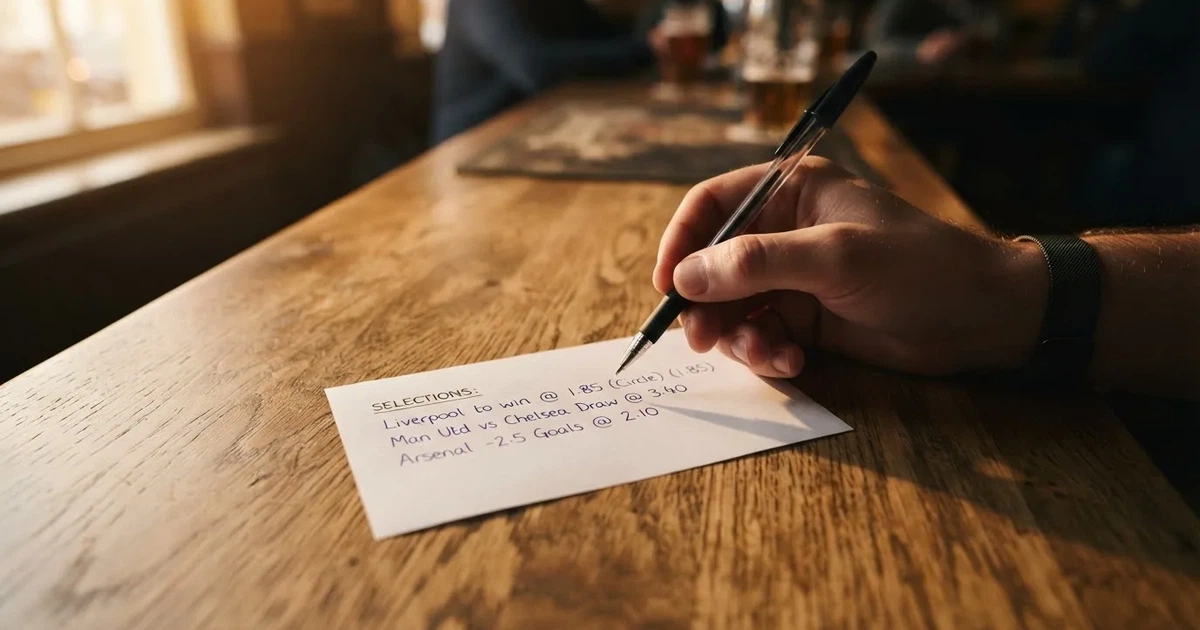
A punter clicks a price at 10:14 on a Saturday morning. By the time the tape goes up, the favourite has drifted and the Starting Price is bigger than the number on the slip. Best Odds Guaranteed — BOG — is the rule that says the punter gets paid at the bigger SP rather than the smaller price taken. On paper, nothing in horse racing gives a steadier edge. In practice, what makes BOG worth chasing is what sits underneath: which bookmakers pay it, when they start paying, what they carve out, and what they cap. Those are the four questions this page answers, and the answer to the first one is a shortlist of ten names drawn from the Gambling Commission’s public register.
The list is not a ranking. Two of the ten names below are betting exchanges; one runs a spread-betting book alongside fixed odds; several specialise in regional racing or football; and one is a Spanish-licensed brand that settled into the British market under a different parent. They differ in scale, in the markets they cover and in the BOG terms they publish. They are presented here because each holds a remote general betting standard licence from the Gambling Commission and each, in some form, pays out at the bigger of price taken or SP.
How the ten compare on BOG and what their own terms say
The comparison below is built on three matters: the Commission’s account number for the licence the operator runs under in Great Britain, the operating company that holds it, and what each operator’s own terms say about Best Odds Guaranteed. The first column gives the trading name a British punter sees. The second names the company that holds the remote licence — the legal counterparty if anything goes wrong. The third names the operator’s own published position on BOG, or notes when the offer is not in those terms.

| Brand | Gambling Commission remote licence holder | Best odds guaranteed — what the operator’s terms say |
|---|---|---|
| BoyleSports | Boylesports Enterprise (account 39469) | Acca Insurance on football accumulators (separate offer); BOG on racing published as a separate promo |
| BetUK | LeoVegas Gaming PLC (account 39198) | Free-bet exclusions named; BOG terms carried by parent site’s racing rules |
| London Bet | Thistle Bet Limited (account 66162) | Racing markets published; BOG position stated on the operator’s racing page |
| DragonBet | DragonBet Ltd (account 64908) | Welsh racing and football focus; BOG terms stated on the racing page |
| Bet600 | Tyche Tech Limited (account 44731) | Pays BOG on horse racing: SP beats early or show price taken |
| Matchbook | Triplebet Limited (account 39504) | Betting exchange; BOG does not apply (no fixed price in the exchange sense) |
| Sporting Index | Sporting Index Limited (account 27343) | Spread-betting book with a fixed-odds arm; BOG applies to the fixed-odds racing book |
| Spreadex | Spreadex Limited (account 8835) | Combined fixed-odds and spread book; BOG applies to fixed-odds racing |
| William Hill | WHG (International) Limited (account 39225) | BOG on UK and Irish racing from 8am on raceday; single and multiples; excludes ante-post, tote, pari-mutuel |
| QuinnBet | QuinnBet (Gibraltar) Limited (account 61011) | Free bets at 1/2 (1.50) minimum and 50/1 maximum; BOG terms carried on the racing rules |
Two things stand out the moment the table is read across. First, only six of the ten are operating companies in the strict sense — the others are run by parent companies that hold a stack of licences (LeoVegas runs BetUK and others; WHG International runs William Hill and a stable of sister brands). The licence holder is who a complaint is addressed to if a payout stalls. Second, BOG is not a uniform feature even among the names that publish it: Matchbook is an exchange and pays no SP because the model is different, while Sporting Index and Spreadex carry fixed-odds racing as one arm of a spread-betting business where the rules for each arm differ.
The mechanics of BOG: price taken, starting price, and the bet that gets paid at both
A horse racing bet has two prices attached to it. The first is the fixed price the punter takes at the time of the bet — the number on the slip, in fractional form (5/1) or decimal (6.00). The second is the Starting Price, the price returned by the on-course fixed-odds market at the off. For British horse races the SP is not the bookmaker’s whim: it is the median of a sampled set of on-course and industry prices, defined as the shortest price in the longer-priced half — at least half the sample on offer at that price or bigger.

BOG says: where the punter has taken a fixed price, and the SP turns out bigger, the bet is settled at the SP. A 5/1 taken at 9:00 that drifts to 7/1 SP settles at 7/1. A 5/1 that shortens to 4/1 SP settles at the 5/1 taken. The benefit is asymmetric: the punter gains when the market drifts, and gives up nothing when it does not. That is why the offer reads as “free money” on a casual reading of the marketing — and why a careful read of the small print matters before treating it as such.
The arithmetic of an asymmetric edge is not the arithmetic of a free bet. A BOG bet is settled on the SP as a normal winning bet at that price. The stake is paid back with the winnings, the punter keeps the slip and the difference, and no wagering requirement sits on top. That is the cleanest case. Where it gets less clean is where a Rule 4 deduction applies: if a non-runner comes out of the race late, the industry rule reduces the payout on the rest of the field. Sky Bet’s published BOG terms state that a Rule 4 deduction still applies to the price taken, unless the horse returns at a bigger SP, in which case the bet is paid at the SP with no deduction. That single clause shifts a real cost from the punter to the bookmaker on a Rule 4 race — and it is a clause worth checking on every bookmaker that runs racing, because not all of them spell it out the same way.
A second clause worth checking is the cap. Sky Bet caps the BOG uplift at £50,000 per bet or per race for horse racing. On a typical Saturday punter the cap is academic. On a Cheltenham ante-post morning, where a BOG-eligible bet drifts from 16/1 to 25/1 SP on a £4,000 stake, the cap is the line between a £72,000 return and a £100,000 one. The cap exists because BOG is a transfer from bookmaker to punter when the market drifts; on a big stake at a big drift, the transfer is large enough to make the day’s risk uncomfortable. The bookmaker’s response is to cap the upside. The punter’s response, if the punter is staking that kind of money, is to read the cap before staking it.
BOG across the listed bookmakers — what each one actually pays
William Hill is the most established of the names on the list for the British racing punter, and its BOG terms are stated in plain language: BOG applies to UK and Irish horse racing from 8am on the day of the race, on both single and multiple bets, and does not apply to ante-post bets, tote bets or pari-mutuel bets. The 8am start time matters because the bulk of overnight and morning-offer prices on racing sit before 8am; prices taken before 8am are ante-post-style in spirit even when they sit on the day-of-race card. The ante-post carve-out is standard across the industry and excludes long-term future-race bets from the offer — a future-race bet that pays at SP because the horse was not even priced on-course would be unworkable. The tote and pari-mutuel carve-outs follow the same logic: those markets set their own dividend.
Bet600’s stated position is the simplest in the table: SP beats the early or show price taken, paid out at the SP. It does not say which side of 8am the offer starts, and it does not name a cap. The punter who reads only the published position gets a clean rule with no upper limit and no clock — a generous framing, and one that means the cap, where there is one, sits in the operator’s full terms rather than the marketing page.
Matchbook is an exchange, and an exchange settles at the price matched, not at an SP. There is no SP for an exchange bet in the BOG sense because the punter is transacting against another customer, and the matched price is the price. Matchbook’s table entry therefore says BOG does not apply: the column is honest about it rather than dressing the gap as a feature. The Matchbook card still sits in the ranking because its licence is the right kind — remote general betting standard plus a remote betting intermediary category — and because its presence shows that BOG is a fixed-odds bookmaker offer, not a market-wide rule.
Sporting Index and Spreadex both run a fixed-odds book alongside a spread-betting book. Sporting Index’s new-customer offer is structured around fixed odds: a £10 fixed-odds qualifying bet at minimum odds of 1/2 unlocks a stack of free bets in both fixed odds and spread form, and the qualifying bet cannot be placed in-play or cashed out early. The BOG position on Sporting Index’s fixed-odds racing arm is published separately and runs on the same lines as the wider industry. Spreadex’s new-customer offer (£60 in free bets for a £10 fixed-odds bet, usable across fixed odds and spread, with the qualifying bet placed within 28 days of opening the account) sits on the same structure. Spreadex’s fixed-odds racing arm publishes a BOG position consistent with the wider industry, and Spreadex’s spread-betting arm is regulated by the Financial Conduct Authority for financial spread bets and by the Gambling Commission for fixed-odds betting — a dual-regulator set-up worth knowing about because the redress route on a financial spread dispute is the FCA, not the Commission.
DragonBet carries Welsh racing and football markets with a regional focus, and its published position on BOG sits in the racing rules page rather than the front of the site. London Bet’s published position sits on its racing page. BoyleSports’ racing pages carry the BOG promo and a separate football acca insurance offer with its own terms. BetUK’s BOG terms are carried by the parent site’s racing rules rather than the BetUK storefront. QuinnBet’s free-bet terms — minimum odds 1/2 (1.50), maximum odds 50/1, valid for 7 days from credit, straight accumulators allowed but Trixies, Patents and Yankees excluded — sit on the bonus page rather than the racing page; the BOG position is carried on the racing rules.
The margin that sits inside every price — and what BOG does to it
BOG pays out at the bigger of two prices. The bigger price is settled, and the bookmaker keeps no more on that bet than the margin baked into the price at the time the bet was struck. That is the cost of the offer, and it sits inside the maths of the odds rather than in any visible line on the slip.
Take a two-way market at decimal odds 1.90 / 1.90 — an illustrative example rather than a quoted price. The payout share of that market, calculated across both outcomes, is 1 ÷ (1/1.90 + 1/1.90) = 1 ÷ (0.5263 + 0.5263) = 1 ÷ 1.0526, or about 95.0%. The margin, on the same calculation, is 1 minus the payout share, or about 5.0%. A 5% margin means the bookmaker keeps around 5 pence of every pound bet on this market across enough bets for the law of large numbers to bite.
Two things follow, and they are the practical takeaways. First, BOG is a free-money offer only at the level of the single bet: on a price that drifts, the punter gains the drift, and the cost on the rest of the day is the margin in the prices. Over a thousand bets at a 5% margin, the bookmaker keeps roughly £50 of every £1,000 staked across the sample, and the BOG uplift on the bets that drift does not change that arithmetic. Second, the punter who treats BOG as a reason to bet more on racing pays for the extra bets at the margin in the price, which is the same margin as on every other fixed-odds market. BOG does not subsidise the betting; it pays out the drift when the drift happens.
A worked example on a 5/1 (6.00) bet at a £10 stake, settled at 7/1 (8.00) SP through BOG: the return is £10 × 8.00 = £80, and the net profit is £10 × (8.00 − 1) = £70. The same bet at the original 5/1 would have returned £60 and profited £50; the BOG uplift is £20 of additional return on this single bet. The cost of the offer to the bookmaker is the £20 on this bet, paid out of margin because the price taken is itself the price the punter would have taken at the same margin. Across a sample of bets, the BOG uplift is a transfer from bookmaker margin on the days the market drifts, balanced by no transfer on the days it does not — a one-way hedge the punter holds for free.
The same calculation on a 5/1 (6.00) bet that shortens to 4/1 (5.00) SP: BOG does not apply, the bet settles at the 5/1 taken, the return is £60, the profit is £50. The asymmetry of BOG — payout at the bigger of the two — means the punter never pays for the offer on a bet that shortens; the offer only pays out on bets that drift, and pays out the full drift.
The licence that sits behind every name on the list
Every brand above holds a remote licence issued by the Gambling Commission under the Gambling Act 2005. The Commission is the regulator for commercial gambling in Great Britain — England, Scotland and Wales. Northern Ireland sits outside the Act and runs its own older law; a GB licence does not regulate Northern Ireland, and a brand that holds a GB licence is not licensed to take bets from a customer in Northern Ireland under that licence. Since the Gambling (Licensing and Advertising) Act 2014, an operator whose remote facilities are used in Great Britain needs a Commission licence wherever it is based, and a Curaçao, Maltese or Gibraltar corporate domicile is not a substitute. The Commission’s public register is the test of who holds one, and the columns above name the account number beside each brand so the register entry can be checked by business name, trading name, domain or account number.
The Commission licensees carry several categories of remote licence. The relevant one for a fixed-odds racing bookmaker is the remote general betting standard (real events) licence, which every name on the list holds. Matchbook additionally holds a remote betting intermediary licence — the exchange category — which is what allows customers to back and lay. Spreadex and Sporting Index additionally operate financial spread betting under the Financial Conduct Authority; Spreadex states on its site that spread betting losses can exceed the deposit, a regulatory warning rather than a marketing line.
A few licences and memberships worth noting by name:
- Kalooki Sportsbook is operated by Kalooki Sports Book Ltd (company number 12938274), licensed by the Gambling Commission under account number 57730, and is a GAMSTOP member.
- Midnite’s site cites Gambling Commission licence 101839 and lists in-play events, an acca builder, popular accas and price boosts with maximum-stake limits.
- Unibet states it has operated since 1999, and its UK site is run by Platinum Gaming Limited, Gibraltar, under Gambling Commission account 45322.
- Copybet UK Limited states it is licensed and regulated in Great Britain by the Gambling Commission under account number 53774.
- BetMGM UK lists Gambling Commission account number 39198.
- 10bet’s app states that 10bet.co.uk is licensed by the Great Britain Gambling Commission under licence 43173.
- Kwiff is licensed by the UK Gambling Commission and is operated by Spryme Ltd.
- Lottoland UK’s app states it is licensed by the Gambling Commission for customers in Great Britain.
These are the background names that show up in the British market and carry some of the fields the table above does not. None of them replaces a name on the ten-name list for a punter whose decision is bound to BOG, and several of them carry licences in adjacent categories (lottery, casino) rather than the fixed-odds racing book the offer sits on.
The test of a licence is the register. The brand, the licence holder, the account number and the licence category are the four fields that match against it; the trading name a punter sees is not always the licence holder, and the licence holder is the legal counterparty if anything goes wrong. The punter who keeps the four fields beside the trading name has a working answer to the question of who they are betting with.
What a BOG bet actually returns — the maths behind the slip
The calculation on the slip is the easiest part of the offer and the part most often misread. A bet returns the stake plus the winnings; the winnings are the stake multiplied by the odds minus one (or, equivalently, the stake multiplied by the odds, then the stake subtracted). On a £10 bet at 7/1 (8.00), the return is £10 × 8.00 = £80, and the net profit is £10 × 7.00 = £70. On a £10 each-way bet at 7/1 (8.00) with a quarter the odds for the place, the place leg pays £10 × (8.00 × 0.25) = £20 if the horse places but does not win, and the win leg pays the same as above if the horse wins.
A combination bet — a double, a treble, an accumulator — multiplies the odds of the legs into one price. On a £10 double at 3/1 (4.00) and 5/1 (6.00), the combined price is 4.00 × 6.00 = 24.00, and the return on a winning double is £10 × 24.00 = £240. The margin of a combination bet is the cumulative margin of the legs, which is why long-odds accumulators carry more bookmaker edge than singles: each leg’s margin compounds into the next leg’s price. The BOG uplift, where it applies on a combination bet, pays at the bigger SP on each racing leg, and the rest of the calculation is the same.
The minimum age to bet with a GB-licensed operator is 18. Identity is verified before the first deposit, including with a free bet or bonus — no anonymous play at a licensed brand. Credit cards are banned for gambling in Great Britain, including credit-card-funded payments through an e-wallet; debit cards and bank-based payments are not covered by the ban.
What the offer costs the punter — and what the offer costs the bookmaker
The cost of BOG to the punter is the margin in the prices, and the cost of the offer to the bookmaker is the BOG uplift paid on bets where the SP drifts above the price taken. The two costs are not symmetric: the punter pays on every bet, the bookmaker pays only on the bets that drift. Over a sample of a thousand bets at a 5% margin, the punter’s expected cost is around £50 of every £1,000 staked; the bookmaker’s expected cost on BOG is the average drift above the price taken, multiplied by the stake on bets that drift. Across an industry, the BOG line is a marketing cost the bigger books are willing to absorb in exchange for share of wallet on racing.
A few rules of thumb follow:
- The margin is the same on a BOG-eligible race as on any other market. BOG does not change the price the punter takes; it changes the price the bet is paid at if the SP is bigger.
- The BOG uplift is asymmetric: paid on the drift, not paid on the shorten. The punter’s downside on a single bet is unchanged.
- The Rule 4 clause matters on a non-runner race. A bookmaker that waives Rule 4 on the SP payout (Sky Bet’s stated position) gives up a chunk of the day’s margin on that race; a bookmaker that does not waive it keeps it. The punter’s preference is the waiving bookmaker on the races with non-runners, and the indifferent choice on the races without.
- The cap matters on the big-stake, big-drift bet. A punter staking £4,000 at 16/1 that drifts to 25/1 SP reads the cap before staking; the cap is the difference between a five-figure and a six-figure return on a single bet.
- The 8am start time on William Hill’s racing markets means ante-post-style prices taken overnight are not BOG-eligible. The punter who wants the BOG uplift waits until 8am on raceday to take the price, even if the overnight price was bigger.
The cost of the offer to the punter is the cost of the bets. The cost of the offer to the bookmaker is the uplift. The two sides meet on the slip.
Where BOG bites — the conditions worth reading
The published BOG terms across the ten names are not identical, and the differences are the conditions that bite. Five are worth reading closely:
- Ante-post carve-out. BOG does not apply to bets struck on a future race in advance. The carve-out excludes ante-post bets and any tote or pari-mutuel wagers. A punter who wants the BOG uplift on a Saturday race strikes the bet on the day, not the week before.
- Rule 4 treatment. Where a non-runner comes out late, a bookmaker that waives Rule 4 on the SP payout (Sky Bet) gives the punter the full drift with no deduction. A bookmaker that does not waive it applies the deduction to the price taken even on a BOG race. The punter’s preference is the waiving bookmaker on a race with non-runners.
- Cap on the uplift. Sky Bet caps the BOG uplift at £50,000 per bet or per race for horse racing. Other operators publish their own caps in their terms. The punter who bets in five-figure stakes reads the cap before staking.
- Start time of the offer. William Hill runs BOG from 8am on raceday. A price taken at 7:45 is not BOG-eligible; a price taken at 8:01 is. The punter who wants the uplift waits for the offer to start.
- Each-way treatment. BOG applies to the win leg of an each-way bet. The place leg pays at the place terms (typically a quarter of the win odds on handicaps, a fifth on non-handicaps), not at the SP. The each-way stake is two bets of equal stake, so the stake doubles on an each-way bet. The punter who wants BOG on a place finish is asking for a feature that does not exist.
The conditions above are the places a careful read of the small print changes the punter’s outcome. They are also the places the marketing page does not go.
The bonuses that sit alongside BOG — and the rule that caps them
BOG is not a bonus in the technical sense. It is a settlement rule that pays out at the bigger of two prices; no wagering requirement sits on the payout, and the punter keeps the slip and the difference. A bonus, in the technical sense, is a separate offer — a free bet, a deposit match, an acca insurance, a price boost — and the bonus carries its own terms.
The promotion rules in force across GB-licensed operators since 19 January 2026 cap wagering requirements on bonuses at 10x. A £10 bonus with a 50x wagering requirement would have asked for £500 of qualifying bets; under the cap, no more than £100 of qualifying bets clears the same bonus. The cap is on the wagering requirement, not on the value of the bonus itself. Mixed-product promotions — an offer that requires gambling on two or more product types, such as a free-spins offer tied to a sports bet — are banned. The cap does not bind BOG because BOG carries no wagering requirement.
The free-bet terms across the list vary, and they are worth checking against the published position on each operator’s bonus page:
- BoyleSports Acca Insurance — opt-in required, minimum stake £5, minimum odds 1/2 (1.50), maximum refund £20 paid as a free bet that expires in 7 days; bets must be placed and settled on the same day.
- BetUK free bets — exclude virtual sports, esports and non-UK/IE horse racing; minimum odds apply.
- QuinnBet free bets — valid for 7 days from credit, usable on any market at minimum odds 1/2 (1.50) and maximum odds 50/1; straight accumulators are allowed, Trixies, Patents and Yankees are not.
- Spreadex new-customer offer — £60 in free bets for a £10 fixed-odds bet, usable across fixed odds and spread betting; qualifying bet placed within 28 days of opening the account.
- Sporting Index new-customer offer — £10 fixed-odds bet at minimum odds 1/2 unlocks three £10 fixed-odds free bets, three £5 Total Goals spread bets, three £5 Winning Favourites spread bets, and a £1 Race Index spread bet; qualifying bet cannot be placed in-play or cashed out early.
The bonus side and the BOG side sit in different parts of each operator’s terms. The bonus side carries wagering requirements, expiry windows and minimum odds. The BOG side carries racing rules, ante-post carve-outs and caps on the uplift. The punter who reads both before claiming either has a working picture of the day’s cost.
Safer gambling and the protections a GB licence brings
Every GB-licensed operator is a member of GAMSTOP, the national multi-operator online self-exclusion scheme, and GAMSTOP membership has been a mandatory licence condition for online operators since 31 March 2020. A punter who self-excludes through GAMSTOP is excluded from every GB-licensed online operator for the chosen period — six months, one year, five years, or five years with auto-renewal — and after the minimum period the exclusion stays in place for a further seven years unless the customer asks GAMSTOP to remove it. GAMSTOP covers online sites and apps; betting shops use a separate service.
Beyond GAMSTOP, the customer-protection framework on a GB-licensed operator includes:
- Identity verification before the first deposit. The operator verifies name, address and date of birth before the customer can deposit or gamble, including with a free bet or bonus. No anonymous play at a licensed site.
- Financial vulnerability check. Since 28 February 2025, when a customer’s deposits minus withdrawals exceed £150 in a rolling 30 days, the operator runs a public-record check (bankruptcy, county court judgments). The check is a public-record check, not an income check and not a credit reference check.
- Financial risk assessments. Announced in a staged plan (Gambling Commission article of 7 July 2026), with no start date. The press calls these “affordability checks”; the Commission’s term is financial risk assessments.
- Deposit limits. Operators must offer a gross deposit limit on a fixed time frame. The first changes applied from 31 October 2025; a second phase was postponed to 30 September 2026. Whether the second phase is live is not established.
- Advertising rules. Marketing must be socially responsible, must not be of strong appeal to under-18s, and no one who is or seems to be under 25 may be featured gambling or play a significant role (with an exception for marketing placed where a bet can be made directly).
- Bonus cap. Wagering requirements on bonuses capped at 10x; mixed-product promotions banned.
The support services behind those protections are national: GamCare (National Gambling Helpline), GambleAware, NHS gambling clinics, Gamblers Anonymous. The punter who hits a limit on their own betting has a list of services that answer the phone.
What an unlicensed operator does not offer — and why the comparison holds
A brand without a GB licence is not bound by any of the protections above: no GAMSTOP, no Commission complaints route, no approved dispute-resolution body, no British consumer redress if funds are withheld, no 10x bonus cap, no £150 vulnerability check. The Commission’s enforcement is disruption rather than blocking — cease-and-desist notices, search-engine referrals, work with registrars, hosts and payment providers — and the Commission has been given, or is about to receive, court-order DNS blocking powers. A GB licence is compulsory at the point of consumption; providing gambling facilities in Great Britain without the licence the Act requires is an offence under section 33 of the Gambling Act 2005, aimed at the operator. No offence aimed at a customer who merely bets on an unlicensed site was found; the loss is the loss of the protections, and the loss can be the loss of funds.
A GB-licensed operator is not a safe operator by default — it is a checked operator. Identity is verified before the first bet, the bonus carries a wagering cap, the deposit limit is a customer-set limit, and the vulnerability check triggers on spend patterns. The trade is protection for verification, and the punter who wants the protection accepts the verification. The trade is the same on every name on the list.
The brands behind the licence — what each one brings to the comparison
BoyleSports runs under Boylesports Enterprise (account 39469) and publishes an acca insurance offer on football accumulators as well as a racing BOG promo. The acca insurance terms — opt-in, £5 minimum stake, 1/2 minimum odds, £20 maximum refund paid as a free bet expiring in 7 days, bets placed and settled on the same day — are a tighter set of terms than the headline marketing suggests, and the punter who reads the offer reads the conditions. The brand has a strong Irish racing heritage and a growing British bookmaker presence.
BetUK runs under LeoVegas Gaming PLC (account 39198), the same parent that runs BetMGM UK under the same account. The BOG position is carried on the parent site’s racing rules rather than the BetUK storefront, and the free-bet exclusions — virtual sports, esports, non-UK/IE horse racing — are stated on the bonus page. The punter who bets on BetUK reads the parent site’s racing rules for the BOG terms and the BetUK bonus page for the free-bet terms; the two sets of terms live in different places.
London Bet runs under Thistle Bet Limited (account 66162) and carries racing markets on the London Bet site. The BOG position sits on the racing page. The brand has a 17+ App Store age rating, the standard rating across GB-licensed operators.
DragonBet runs under DragonBet Ltd (account 64908) and carries a regional focus on Welsh racing and football, with American football, in-play betting and bet builder markets on the app. The BOG position sits on the racing rules. The punter who wants Welsh racing markets has a specialist option; the punter who wants the wider British and Irish card has the bigger books.
Bet600 runs under Tyche Tech Limited (account 44731) and publishes a clean BOG position: SP beats the early or show price taken, paid out at the SP. No 8am start time is published in the marketing page, no cap is published, and the punter who reads the marketing gets a generous framing. The published position is not the same as the full terms, and the punter who stakes big reads the full terms before staking big.
Matchbook runs under Triplebet Limited (account 39504) and is a betting exchange where customers bet against other users. The exchange carries Bet Builder, multiples, in-play betting and live streaming of horse racing and greyhounds. BOG does not apply on an exchange because there is no SP in the BOG sense; the matched price is the price. The punter who wants the exchange model has a Commission-licensed option with the right intermediary category.
Sporting Index runs under Sporting Index Limited (account 27343) and carries a spread-betting book with a fixed-odds arm. The new-customer offer is structured around fixed odds: a £10 fixed-odds qualifying bet unlocks a stack of free bets in both fixed odds and spread form. The BOG position on the fixed-odds racing arm is published separately and runs on the same lines as the wider industry. The financial spread-betting arm is regulated separately, and the punter who uses both arms reads both sets of terms.
Spreadex runs under Spreadex Limited (account 8835) and carries a combined fixed-odds and spread book. Spreadex states on its site that it is regulated by the FCA for spread betting and by the Gambling Commission for fixed-odds betting, and that spread betting losses can exceed the deposit — a regulatory warning rather than a marketing line. The new-customer offer (£60 in free bets for a £10 fixed-odds bet, qualifying bet placed within 28 days of opening the account) is a fixed-odds offer that unlocks fixed-odds and spread free bets. The BOG position on the fixed-odds racing arm is published on the racing page.
William Hill runs under WHG (International) Limited (account 39225) and is the most established of the names on the list for the British racing punter. The BOG terms are stated in plain language: UK and Irish horse racing from 8am on raceday, single and multiples, excludes ante-post, tote and pari-mutuel. The 8am start time matters because most overnight and morning-offer prices sit before the offer starts; the punter who wants BOG waits until 8am.
QuinnBet runs under QuinnBet (Gibraltar) Limited (account 61011) and publishes a clean free-bet position: 7 days from credit, minimum odds 1/2 (1.50), maximum odds 50/1, straight accumulators allowed, Trixies, Patents and Yankees excluded. The BOG position is carried on the racing rules. The punter who bets accumulators on QuinnBet reads the racing rules for BOG and the bonus page for the acca terms; the two sets of terms are in different places, as on most of the names above.
What the offer is worth — and what it is not
Best Odds Guaranteed is worth what the drift is worth. On a bet that drifts from 5/1 (6.00) to 7/1 (8.00), the uplift is the £20 difference on a £10 stake — paid out at settlement, no wagering requirement on top, no expiry on the slip. On a bet that does not drift, the offer is worth nothing on that bet; on a bet that shortens, the offer is worth nothing on that bet either, because the punter keeps the price taken. Across a sample, the offer is worth the average drift above the price taken, multiplied by the stake on the bets that drift. The punter who wants to know the value of BOG keeps a record of price taken, SP and outcome, and works out the average uplift over a season.
The offer is not a free bet. A free bet is paid out without the stake; a BOG bet is paid out with the stake. The offer is not a price boost; a price boost is a one-off increase on a specific selection, settled at the boosted price. The offer is not a bonus; a bonus carries a wagering requirement. BOG is a settlement rule that pays out at the bigger of two prices, and the punter keeps the slip, the stake and the drift.
The offer is also not free. The cost is the margin in the prices, which is the same margin on a BOG-eligible race as on any other market, and which the punter pays on every bet whether the bet drifts or not. A 5% margin means around £5 of every £100 staked across enough bets for the law of large numbers to bite; the BOG uplift on the bets that drift does not change that arithmetic. The punter who treats BOG as a reason to bet more on racing pays for the extra bets at the margin, and the offer does not subsidise the betting.
Reading the licence — how to check a brand holds a Commission licence
The Commission’s public register is the test. The punter who wants to check a brand searches by business name, trading name, domain or account number, and the register returns the licence holder, the account number, the licence categories and the licence status. The columns above name the account number beside each brand so the register entry can be checked in a few seconds. A licensed brand is the legal counterparty under the Gambling Act 2005, the membership of GAMSTOP, the binding force of the LCCP, the recourse to the Commission’s complaints route, and the discipline of the bonus cap and the vulnerability check.
A brand without a GB licence carries none of those. The Commission’s enforcement is disruption rather than blocking, and a brand on a Curaçao, Maltese or Gibraltar licence is not licensed to take bets from a customer in Great Britain under that licence. The punter who bets with a non-GB brand has no Commission complaints route, no GAMSTOP coverage, no approved dispute-resolution body, no British consumer redress if funds are withheld, and no protection under the bonus cap or the vulnerability check. The honest framing is licensed = checks, limits, GAMSTOP, bonus cap, but also verification before the first bet; unlicensed = none of those protections and possible loss of funds. Neither is the safe choice by default; the trade is on the punter’s side of the slip.
The arithmetic of a BOG bet — what the slip shows, what the offer changes
A bet on Slip A: £10 at 5/1 (6.00). The horse drifts to 7/1 (8.00) SP. BOG applies. The bet settles at the SP. The return is £10 × 8.00 = £80. The net profit is £10 × 7.00 = £70. The BOG uplift on this bet, against the same bet settled at the price taken, is £20.
A bet on Slip B: £10 at 5/1 (6.00). The horse shortens to 4/1 (5.00) SP. BOG does not apply because the SP is below the price taken. The bet settles at the price taken. The return is £10 × 6.00 = £60. The net profit is £10 × 5.00 = £50. The offer is worth nothing on this bet.
A bet on Slip C: £10 each-way at 5/1 (6.00), quarter odds for the place. The horse drifts to 7/1 (8.00) SP. BOG applies on the win leg. The win leg pays at the SP: £10 × 8.00 = £80. The place leg pays at quarter of the win odds on the price taken: £10 × (6.00 × 0.25) = £15, for a total return of £95. The total stake is £20 (win £10 + place £10). The net profit on a win is £95 − £20 = £75. The each-way stake is two bets of equal stake, and the punter doubles the stake on each-way bets.
A bet on Slip D: £10 on a treble at 3/1 (4.00), 5/1 (6.00) and 4/1 (5.00). The combined price is 4.00 × 6.00 × 5.00 = 120.00. The return on a winning treble is £10 × 120.00 = £1,200. The net profit is £10 × 119.00 = £1,190. The margin of a combination bet is the cumulative margin of the legs, which compounds across the legs. The punter who builds accumulators reads the margin of each leg before striking.
The arithmetic on a BOG racing leg of a combination bet is the same as on a single: the racing leg pays at the bigger of price taken or SP, the rest of the legs pay at the price taken, and the combined price is the product of the settled prices. The punter who wants BOG on a racing leg of an acca strikes the racing leg on a bookmaker that pays BOG on combination bets; the punter who wants BOG only on singles strikes the racing leg on any bookmaker that pays BOG on singles.
A note on what changes, and what does not
The British gambling framework is a moving target. The promotion rules in force from 19 January 2026 cap wagering requirements on bonuses at 10x and ban mixed-product promotions. The financial vulnerability check has applied since 28 February 2025, and financial risk assessments have been announced in a staged plan with no start date. The deposit-limit rules have had a first phase from 31 October 2025 and a postponed second phase to 30 September 2026. The General Betting Duty currently sits at 15%, with a remote betting rate of 25% from 1 April 2027 within the duty. The Premier League clubs’ voluntary withdrawal of gambling sponsorship from the front of matchday shirts begins from the 2026/27 season, with sleeves and hoardings remaining.
The player pays no tax on betting winnings in Great Britain; that is general information, not tax advice, and a professional gambler should ask HMRC or an adviser. The Commission is not the tax body; the operator’s tax is General Betting Duty, and the operator’s tax is not the punter’s tax. The punter’s cost is the margin in the prices.
What does not change: the BOG settlement rule, the starting-price definition, the ante-post carve-out, the Rule 4 treatment, the cap on the uplift, the 8am start time on William Hill, and the position that a GB licence is the test of who is licensed to take bets from a customer in Great Britain. Those are the constants the punter reads on the slip.
The takeaway
BOG is the cleanest offer on the British racing book. It is not a free bet; the stake is paid back with the winnings, the punter keeps the slip, and no wagering requirement sits on top. It is asymmetric: paid on the drift, not paid on the shorten. It carries a Rule 4 clause that varies by operator and a cap that bites on the big-stake, big-drift bet. The cost to the punter is the margin in the prices, which is the same on a BOG-eligible race as on any other market, and the cost to the bookmaker is the uplift on bets that drift.
The ten names on the list above are the GB-licensed fixed-odds racing bookmakers who publish a BOG position in some form. The punter who wants the offer reads the licence (account number on the Commission’s public register), the racing rules (BOG terms, ante-post carve-out, Rule 4 treatment, cap, start time), and the bonus page (free-bet terms, wagering cap, expiry, minimum odds). The punter who reads all three has a working picture of the day’s cost, and the slip tells the rest.
Frequently asked questions about best odds guaranteed
Which licensed bookmakers offer Best Odds Guaranteed?
Ten operators hold a remote general betting standard licence from the Gambling Commission and publish Best Odds Guaranteed terms: BoyleSports, BetUK, London Bet, DragonBet, Bet600, Spreadex, Sporting Index, William Hill, and QuinnBet, with Matchbook operating as an exchange where the offer does not apply. Always check the operator’s racing rules for specific carve-outs.
How can I check if a bookmaker is licensed by the Gambling Commission?
The Gambling Commission’s public register is the primary test. You can search by business name, trading name, domain, or account number to find the licence holder, category, and status. This register entry confirms the operator is bound by the Gambling Act 2005, GAMSTOP, and other consumer protections.
What are the common carve-outs for Best Odds Guaranteed?
Most bookmakers exclude ante-post, tote, and pari-mutuel bets from Best Odds Guaranteed, and many apply an 8am start time on the day of the race. Additionally, Rule 4 deductions and specific uplift caps often apply, so reading the racing rules page for each individual operator is essential before placing your bet.
How is the return on a bet calculated?
For a single bet, the return is the stake multiplied by the decimal odds. The net profit is the return minus the original stake. For combinations like accumulators, the odds for each leg are multiplied to create a combined price, and the margin compounds across the legs of the bet.
How is the bookmaker’s margin determined?
The margin is the percentage of every unit staked that the bookmaker keeps, calculated as 1 minus the payout share (1 divided by the sum of 1 over the odds for each outcome). On a two-way market with equal odds, the margin typically sits around 5.0%, representing the built-in edge.
Free bets & offers – Free bets
Content created by the «Free bets» team
